

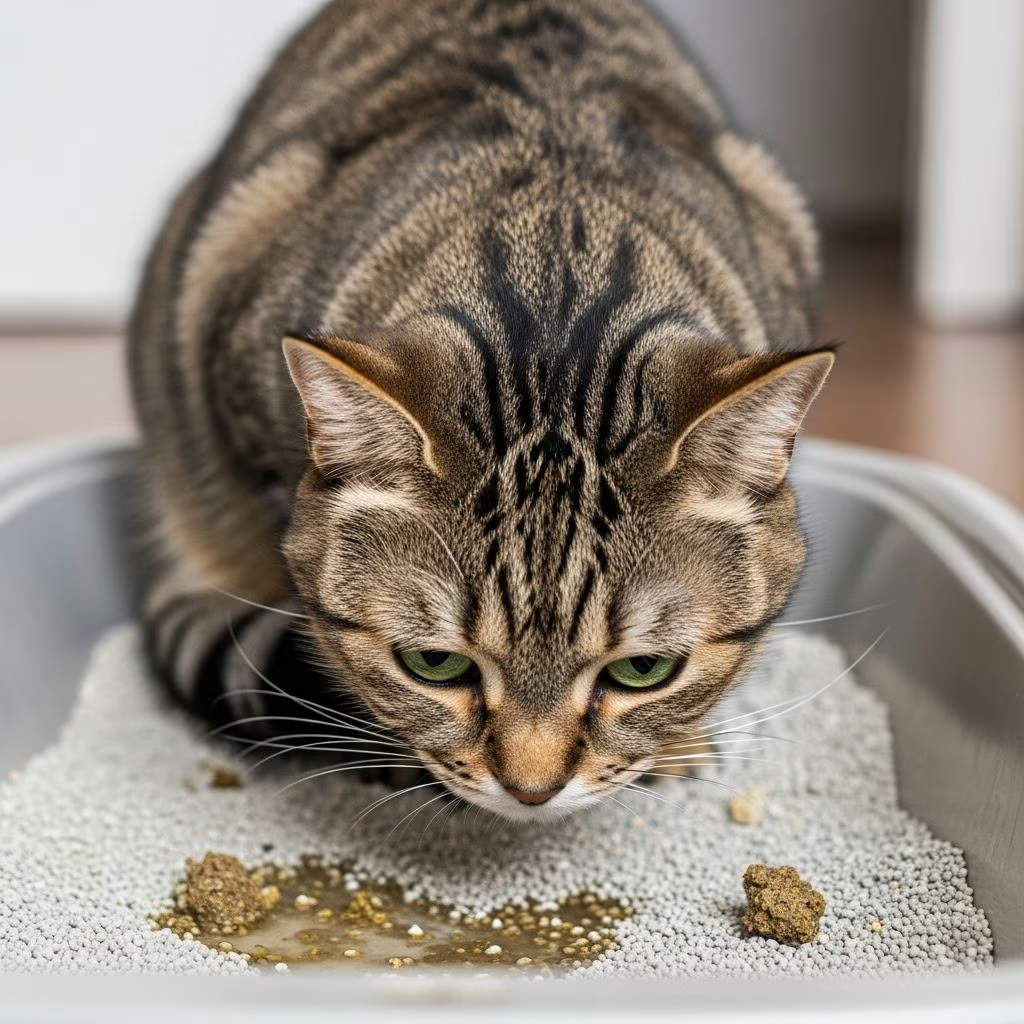
Diarrhea in cats is a frequent concern for pet owners, often signaling temporary digestive upset or a more serious underlying issue. Recognizing the signs early and understanding potential triggers can help you respond effectively, preventing dehydration and promoting recovery.
Recognizing Diarrhea in Your Cat
Cat diarrhea manifests as loose, watery, or frequent stools that differ from your pet’s normal firm, formed feces. It may appear soft and voluminous or entirely liquid, sometimes with a foul odor. Observe your cat’s litter box habits: increased defecation attempts, smaller stool volumes per episode, or accidents outside the box are red flags.
- **Consistency changes**: From solid to mushy or liquid stools.
- **Frequency increase**: More trips to the litter box than usual.
- **Color variations**: Yellow, green, black, or bloody hues indicate specific problems.
- **Additional signs**: Mucus coating, undigested food particles, or visible worms.
Kittens and senior cats are particularly vulnerable, as their systems dehydrate faster. Check gums for tackiness (a dehydration sign) and skin elasticity by gently pinching the scruff—if it doesn’t snap back quickly, seek vet care.
Primary Causes of Feline Diarrhea
Diarrhea stems from disruptions in the gastrointestinal tract, categorized as acute (sudden, short-term) or chronic (lasting over two weeks). Acute cases often resolve with minimal intervention, while chronic ones demand thorough diagnostics.
Dietary Triggers
Sudden food changes top the list of culprits. Transitioning to new kibble, canned food, or treats without a gradual mix over 7-10 days overwhelms the gut flora, leading to loose stools. Human foods like dairy (lactose intolerance is common in adult cats), fatty scraps, or spoiled items exacerbate this. Inspect treats for allergens like grains or artificial additives.
Infections and Parasites
Parasites such as roundworms, hookworms, giardia, or coccidia irritate the intestines, especially in outdoor or young cats. Bacterial invaders (Salmonella, Clostridium) from contaminated prey or water, and viruses like panleukopenia, cause rapid-onset diarrhea. Kittens under six months are prime targets due to immature immunity.
Stress and Environmental Factors
Cats are sensitive creatures; new pets, moves, or loud noises trigger stress colitis, inflaming the colon and producing mucus-laden stools. This psychosomatic response mimics food issues but resolves with environmental stabilization.
Medical Conditions
| Condition | Symptoms Beyond Diarrhea | Common in |
|---|---|---|
| Hyperthyroidism | Weight loss, increased appetite, hyperactivity | Senior cats |
| Pancreatitis | Vomiting, abdominal pain, lethargy | Any age |
| Inflammatory Bowel Disease (IBD) | Chronic weight loss, vomiting | Middle-aged cats |
| Kidney/Liver Disease | Lethargy, poor appetite, bad breath | Seniors |
| Cancer (e.g., lymphoma) | Persistent loss, anemia | Older cats |
Medications like antibiotics disrupt gut bacteria, while toxins (lilies, antifreeze) or foreign objects (string, toys) cause obstruction or poisoning.
Symptoms Requiring Immediate Veterinary Attention
Not all diarrhea warrants a rush to the vet, but certain signs escalate urgency. Monitor for 24-48 hours in otherwise healthy adults, but act faster for vulnerable cats.
- Blood (bright red or tarry black) or mucus in stools.
- Lethargy, fever, or refusal to eat/drink.
- Vomiting, pale gums, or sunken eyes (dehydration).
- Diarrhea lasting over 48 hours or in kittens/seniors.
- Abdominal bloating, straining, or pain.
Bloody diarrhea often signals colitis, parasites, or clotting issues; black stools suggest upper GI bleeding.
Diagnostic Approaches by Veterinarians
Vets start with history (diet, environment) and physical exam, then progress to tests:
- Fecal analysis for parasites/bacteria.
- Bloodwork for organ function, hydration, infection.
- Imaging (X-rays, ultrasound) for obstructions or masses.
- Endoscopy/biopsy for IBD or cancer in chronic cases.
Early diagnosis prevents complications like sepsis or malnutrition.
Home Management Strategies
For mild, acute diarrhea:
- Fast temporarily: Withhold food 12-24 hours (water only) to rest the gut; not for kittens.
- Bland diet: Reintroduce boiled chicken/rice or vet-prescribed gastrointestinal food gradually.
- Hydration: Offer electrolyte solutions; unflavored Pedialyte diluted if needed.
- Probiotics: FortiFlora or similar to restore gut balance.
Avoid OTC human meds like Pepto-Bismol—toxic to cats.
Professional Treatments
Severe cases require:
- IV/subcutaneous fluids for rehydration.
- Antibiotics for bacterial causes (metronidazole).
- Anti-parasitics (fenbendazole for worms).
- Special diets low-fat/high-fiber for IBD.
- Steroids or immunosuppressants for inflammation.
Chronic management may involve lifelong meds or hypoallergenic foods.
Prevention Tips for Healthy Digestion
Maintain wellness:
- Gradual diet transitions.
- Regular deworming/flea preventives.
- Core vaccinations against viruses.
- Stress reduction via routines, pheromones.
- Annual vet checkups with fecal screens.
Quality nutrition with prebiotics supports microbiome health.
Frequently Asked Questions (FAQs)
Can cat diarrhea resolve on its own?
Yes, mild cases from diet often self-resolve in 1-2 days with fasting and bland food. Persistent issues need vet evaluation.
Is wet food better for preventing diarrhea?
Hydrating wet food aids digestion for some, but choose high-quality, AAFCO-approved options. Monitor tolerances.
What if my cat has diarrhea after antibiotics?
Common side effect; probiotics help. Consult vet for alternatives.
How do I check dehydration at home?
Pinch skin on neck; slow return signals dehydration. Offer water; if refused, vet fluids needed.
Can stress alone cause chronic diarrhea?
Acute yes, but chronic usually indicates disease. Rule out medically first.
References
- Diarrhea in Cats: Common Causes & When It’s Serious — Animal General CT. 2022-05-15. https://www.animalgeneralct.com/site/blog/2022/05/15/diarrhea-in-cats-common-causes-when-its-serious
- Diarrhea in Cats: Common Causes & When It’s Serious — Voorhees Animal Hospital. 2023-10-15. https://www.voorheesvet.com/site/blog/2023/10/15/diarrhea-cats
- Cat Diarrhea: Causes and Remedies — Pet Assure. N/A. https://www.petassure.com/new-newsletters/cat-diarrhea-causes-and-remedies/
- Cat Diarrhea: Causes and What to Do About It — PetMD. N/A. https://www.petmd.com/cat/symptoms/cat-diarrhea
- Cat Diarrhea: Causes, Symptoms & Treatment — Purina. N/A. https://www.purina.com/articles/cat/health/digestion/cat-diarrhea-causes-treatment
- Diarrhea in Cats — Vet Referral Center. 2024-02-15. https://www.vetreferralcenter.com/site/blog/2024/02/15/diarrhea-cats
- Diarrhea in Cats: Common Causes & When It’s Serious — VCA Animal Hospitals. N/A. https://vcahospitals.com/know-your-pet/diarrhea-in-cats



