

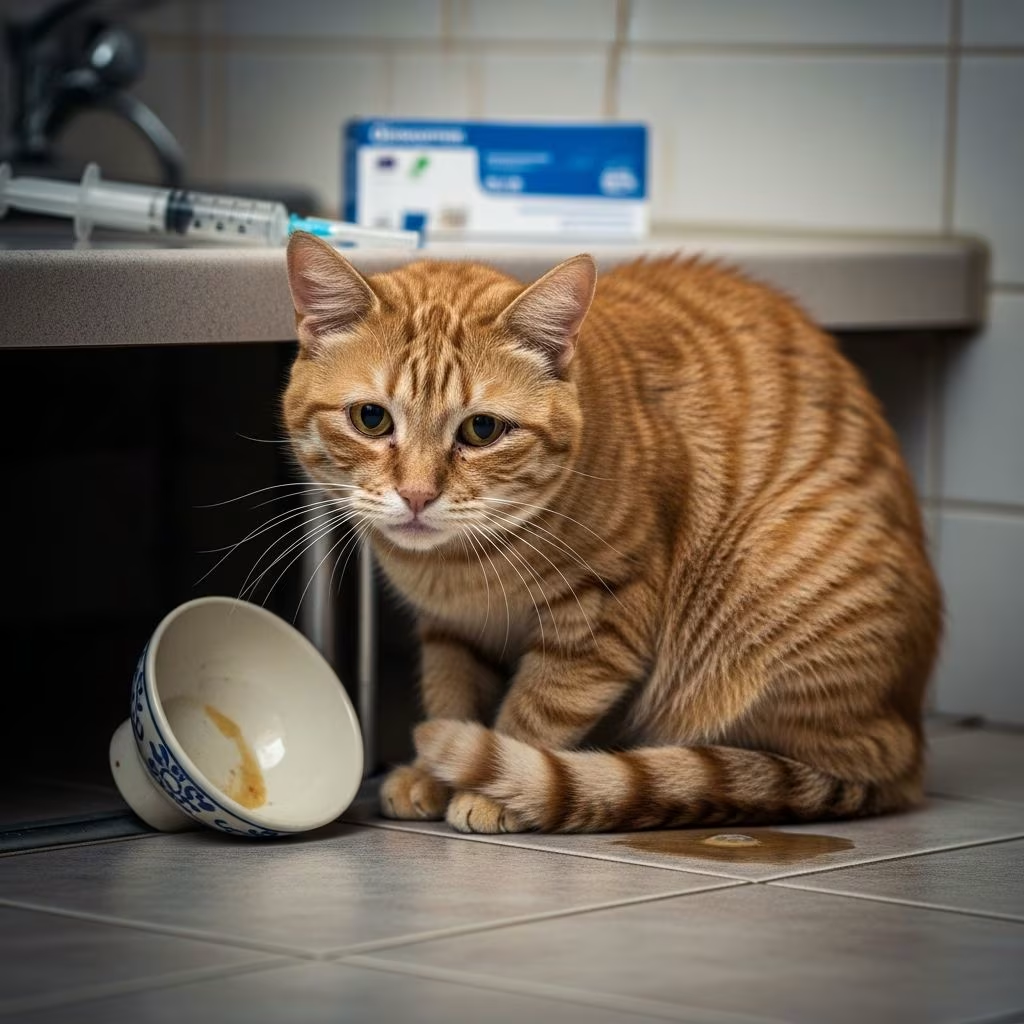
Diarrhea is a frequent reaction in cats following deworming treatment, typically lasting 2-3 days as the medication expels intestinal parasites. This response occurs because dewormers target worms like roundworms or hookworms, causing them to die and pass through the digestive tract, often accompanied by loose stools, visible worms, or traces of blood. While usually mild and self-resolving, monitoring your cat’s symptoms ensures timely intervention if issues persist.
Why Does Deworming Trigger Loose Stools in Cats?
Deworming medications work by paralyzing or killing parasites in the cat’s intestines, prompting their expulsion via feces. This process disrupts the gut’s normal balance temporarily, leading to softer stools. Factors influencing severity include the worm burden—cats with heavy infestations may show more pronounced effects—and the specific dewormer used, such as pyrantel or fenbendazole. Kittens or cats never previously treated often require multiple doses, extending the period of gastrointestinal upset.
Parasites themselves contribute to prior digestive issues; deworming alleviates long-term problems like poor nutrient absorption but introduces short-term discomfort. Visible worms in stool confirm the treatment’s efficacy, a positive sign despite the mess.
Typical Timeline for Diarrhea Post-Deworming
Most cats experience diarrhea starting within 24 hours of dosing, peaking on days 1-2, and subsiding by day 3. Full parasite clearance takes 2-3 weeks, but acute side effects resolve faster. Here’s a breakdown:
- Day 1: Onset of loose stools, possible worms or blood; mild cases may not disrupt routine.
- Days 2-3: Peak symptoms; ensure hydration to prevent complications.
- Day 4+: Symptoms should wane; contact vet if ongoing.
For multi-dose protocols, expect repeated episodes spaced 2-4 weeks apart.
Other Common Side Effects to Watch For
Beyond diarrhea, dewormers can cause additional mild reactions, generally resolving within 24-72 hours. Key symptoms include:
| Symptom | Frequency | Duration | Management |
|---|---|---|---|
| Vomiting | Occasional | 1-24 hours | Monitor; re-dose if within 1 hour |
| Lethargy | Common in kittens | 1-2 days | Rest; observe activity |
| Appetite loss | Frequent | 1-2 days | Offer bland food; ensure water |
| Increased salivation | Rare | Hours | Provide water to aid hydration |
Severe reactions are uncommon when dosed correctly, but cats with heavy worm loads may show amplified effects.
Critical Signs Requiring Immediate Veterinary Attention
While most effects are benign, prolonged or intense symptoms signal potential problems. Seek vet care if:
- Diarrhea exceeds 3 days or becomes watery/profuse.
- Vomiting persists beyond one episode or includes blood.
- No food intake for 48+ hours in adults (24 in kittens).
- Dehydration signs: dry gums, sunken eyes, lethargy.
- Bloated abdomen, breathing issues, or coughing (possible heartworm).
These could indicate overdose, underlying conditions, or incomplete parasite control.
Supporting Your Cat’s Recovery at Home
Proactive care minimizes discomfort and risks. Primary focus: hydration. Offer fresh water constantly; consider electrolyte solutions vet-approved for pets.
Hydration Strategies
- Multiple water bowls around the home.
- Wet food to boost fluid intake.
- Fountains to encourage drinking.
Dietary Adjustments
Switch to bland diets like boiled chicken/rice for 2-3 days, then gradual return to normal. Probiotics may restore gut flora, but consult vet first. Avoid human anti-diarrheals like Imodium without guidance—doses differ and interactions risk exist.
Comfort Measures
Provide quiet rest areas; clean litter daily to track stool changes. Weigh kittens weekly to monitor growth.
Deworming Schedules for Cats and Kittens
Preventive deworming reduces severe reactions. Kittens start at 4-6 weeks, every 2 weeks until 12 weeks, monthly to 6 months, then quarterly. Adults: every 3 months or per lifestyle (outdoor cats more often). Fecal tests guide protocols.
Preventing Parasite Reinfection
Deworming alone isn’t enough; break life cycles via:
- Monthly preventives (e.g., topical/oral combos).
- Litter hygiene: daily scooping, disinfect weekly.
- Flea control: many transmit worms.
- Hunt-free indoors; cook meat thoroughly.
Annual vet checkups with fecal exams ensure efficacy.
Frequently Asked Questions (FAQs)
How long does it take for dewormer to work in cats?
Effects start in 24 hours, full clearance in 2-3 weeks; multiple doses may be needed.
Is it normal to see worms after deworming?
Yes, indicates success; they decrease over days.
Can deworming cause dehydration?
Possible with prolonged diarrhea/vomiting; prioritize water access.
What if my cat vomits the dewormer?
Re-dose if within 1 hour; otherwise, consult vet.
Are natural dewormers safer?
Not always effective; vet-prescribed options are reliable.
Long-Term Benefits of Regular Deworming
Untreated worms cause weight loss, anemia, blockages, even death in kittens. Routine treatment improves coat shine, energy, and digestion. Invest in prevention for a healthier feline companion.
References
- How Long Will a Cat Have Diarrhea After Deworming? Vet-Reviewed Facts & FAQ — Hepper. 2023. https://articles.hepper.com/how-long-will-a-cat-have-diarrhea-after-deworming/
- What to Expect after Deworming a Kitten — Lakeland Animal Clinic. 2023. https://lacvets.com/blog/what-to-expect-after-deworming-a-kitten/
- Cat Diarrhea: The Ultimate Guide — Petcube. 2023. https://petcube.com/blog/cat-diarrhea/
- Kitten Deworming Schedule: When, Why & How To Deworm Cats — Pawlicy Advisor. 2023. https://www.pawlicy.com/blog/kitten-deworming-schedule/
- Pet Unwell After Worming Tablets? — Itch Pet. 2023. https://www.itchpet.com/blog/post/pet-unwell-after-worming-tablets
- Cat Deworming — Westwood Veterinary Hospital. 2023. https://www.westwoodvethospital.ca/pet-care/cat-services/deworming-services-for-cats



