

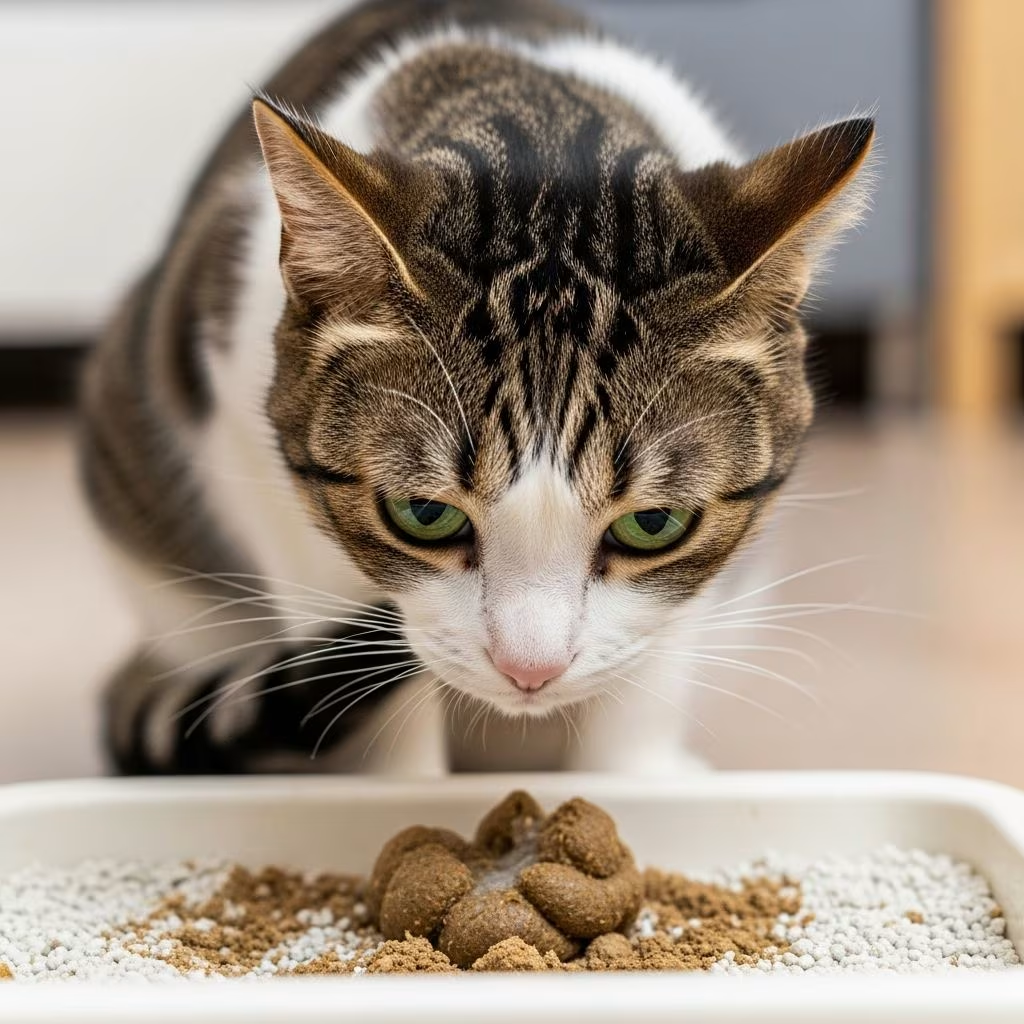
Diarrhea is a frequent digestive complaint in cats, often signaling underlying disruptions in their gastrointestinal system. While occasional loose stools may resolve on their own, persistent or severe episodes require prompt attention to prevent dehydration and identify serious conditions. This guide delves into the primary triggers, helping cat owners recognize patterns and respond effectively.
Recognizing the Signs of Diarrhea
Cat diarrhea typically appears as loose, watery, or unformed stools passed more frequently than normal. It can range from mild, with soft stools once or twice daily, to severe cases involving frequent, bloody, or mucus-laden discharge. Accompanying symptoms might include lethargy, vomiting, reduced appetite, or abdominal discomfort. Differentiating between small and large intestinal origins aids diagnosis: small intestinal diarrhea often produces larger volumes with weight loss, while large intestinal types feature small amounts of stool with urgency or straining.
- Small intestine indicators: Increased volume, darker color, possible blood.
- Large intestine indicators: Frequent small puddles, fresh blood, mucus.
Everyday Dietary Factors Triggering Loose Stools
Sudden food transitions top the list of benign causes. Cats possess sensitive digestive tracts, and abrupt switches from one formula to another can provoke upset lasting a few days. Introducing treats, human scraps, or spoiled items exacerbates this. Lactose intolerance affects many adult cats, turning milk into a diarrhea catalyst despite cultural myths.
| Food-Related Trigger | Description | Prevention Tip |
|---|---|---|
| Diet change | Rapid shift to new kibble or wet food irritates gut lining. | Transition over 7-10 days, mixing old and new gradually. |
| Dairy products | Lactose undigested leads to fermentation and gas. | Opt for lactose-free cat milk alternatives. |
| Table scraps | High-fat or seasoned foods overwhelm digestion. | Stick to cat-specific nutrition only. |
Allergies to proteins like beef, fish, or chicken manifest similarly, with chronic loose stools following meals. Identifying culprits involves elimination diets under veterinary supervision.
Stress and Environmental Disruptions
Cats thrive on routine; changes like new pets, relocations, or rearranged furniture spark anxiety-induced colitis, inflaming the colon. Kittens, especially, suffer from socialization deficits or trauma. Symptoms mimic infection but resolve with stability restoration, pheromone diffusers, or confinement to quiet spaces.
- New household members (babies, pets).
- Litter box aversions from odor changes.
- Veterinary visits or boarding stress.
Parasitic Infestations: A Prevalent Culprit
Internal parasites rank among the most common offenders, particularly in kittens and outdoor cats. Roundworms, hookworms, tapeworms, giardia, and coccidia irritate intestines, causing malabsorption and watery stools. Transmission occurs via contaminated soil, prey, or flea intermediates. Routine deworming from weaning mitigates risks, but fecal exams confirm infestations.
Giardia, a protozoan, proves stubborn, often requiring metronidazole alongside hygiene protocols. Kittens display pot-bellied appearances with persistent diarrhea.
Infectious Agents: Bacterial, Viral, and More
Bacteria like Salmonella, Clostridium, or E. coli enter via contaminated food or water, producing foul-smelling, voluminous stools. Viral threats loom larger in unvaccinated cats: panleukopenia ravages kittens with hemorrhagic diarrhea, while feline leukemia and immunodeficiency viruses weaken immunity long-term. Fungal issues, rarer, strike immunocompromised felines.
Prevention hinges on core vaccinations, parasite control, and raw food avoidance.
Ingestion Hazards: Toxins and Foreign Bodies
Curious felines ingest strings, toys, plants (lilies, poinsettias), or chemicals, leading to obstructions or toxicity. Linear foreign bodies like thread bunch intestines, causing partial blockages with diarrhea around impactions. Garbage raiding introduces spoiled meat rife with pathogens.
Symptoms escalate to vomiting and pain; radiographs detect blockages needing surgical intervention.
Chronic Conditions and Organ Dysfunctions
Older cats face metabolic woes: hyperthyroidism accelerates gut transit, kidney disease impairs waste filtration, and pancreatitis inflames digestion. Inflammatory bowel disease (IBD) chronically disrupts absorption, often with weight loss. Lymphoma, a malignancy, mimics IBD but demands biopsies for confirmation.
Triaditis links pancreas, liver, and intestine inflammation, complicating therapy.
| Condition | Age Group Affected | Key Signs Beyond Diarrhea |
|---|---|---|
| Hyperthyroidism | Senior cats | Weight loss, voracious appetite, thirst. |
| Chronic kidney disease | Adults/seniors | Excessive drinking, poor coat, anemia. |
| Pancreatitis | All ages | Vomiting, hunched posture, fever. |
| IBD/Lymphoma | Middle-aged+ | Intermittent symptoms, malnutrition. |
Medication Side Effects and Other Contributors
Antibiotics disrupt gut flora, fostering secondary infections like Clostridium overgrowth. Constipation paradoxes occur in seniors, where liquid stool leaks past hardened masses.
When to Escalate to Veterinary Care
Mild cases with one-off episodes warrant 24-hour fasting (water only), followed by bland diets like boiled chicken and rice. Persistent diarrhea over 48 hours, blood presence, dehydration (tacky gums, sunken eyes), or systemic signs demand immediate vets. Kittens, seniors, and diabetics face heightened risks.
- Red flags: Lethargy, fever, bloating, collapse.
- Home monitoring: Track frequency, consistency, appetite.
Diagnostic Approaches in Practice
Vets initiate with history and fecal tests for parasites/pathogens. Bloodwork assesses organ function, while imaging rules out obstructions. Endoscopy or biopsies probe chronic issues.
Preventive Strategies for Optimal Gut Health
Maintain consistent diets, annual check-ups, and fecal screenings. Indoor living curbs parasite exposure; stress minimization fosters resilience. Probiotics support flora balance post-antibiotics.
FAQs on Cat Diarrhea
Can I treat my cat’s diarrhea at home?
Brief, mild cases yes—with fasting and bland food—but consult vets if unresolved in 24-48 hours.
Is bloody diarrhea an emergency?
Yes, especially with weakness or straining; it signals colitis, parasites, or clotting disorders.
How often should cats poop normally?
1-2 times daily; variations depend on diet but sudden changes warrant note.
Does wet food cause more diarrhea?
Not inherently, but sudden switches or sensitivities can.
Are probiotics safe for cats with diarrhea?
Vet-recommended feline strains aid recovery; avoid human products.
References
- Diarrhea | Cornell University College of Veterinary Medicine — Cornell Feline Health Center. Accessed 2026. https://www.vet.cornell.edu/departments-centers-and-institutes/cornell-feline-health-center/health-information/feline-health-topics/diarrhea
- Chronic Diarrhea in Cats | PetMD — PetMD. Accessed 2026. https://www.petmd.com/cat/conditions/digestive/chronic-diarrhea-cats
- Diarrhea in Cats: Common Causes & When It’s Serious | Springfield — Veterinary Referral Center. 2024-02-15. https://www.vetreferralcenter.com/site/blog/2024/02/15/diarrhea-cats
- 18 Common Causes of Diarrhea in Cats and Kittens – CareCredit — CareCredit. Accessed 2026. https://www.carecredit.com/well-u/pet-care/what-causes-kitten-diarrhea/
- Diarrhea in Cats: Common Causes & When It’s Serious | Voorhees Vet — Voorhees Animal Hospital. 2023-10-15. https://www.voorheesvet.com/site/blog/2023/10/15/diarrhea-cats



