

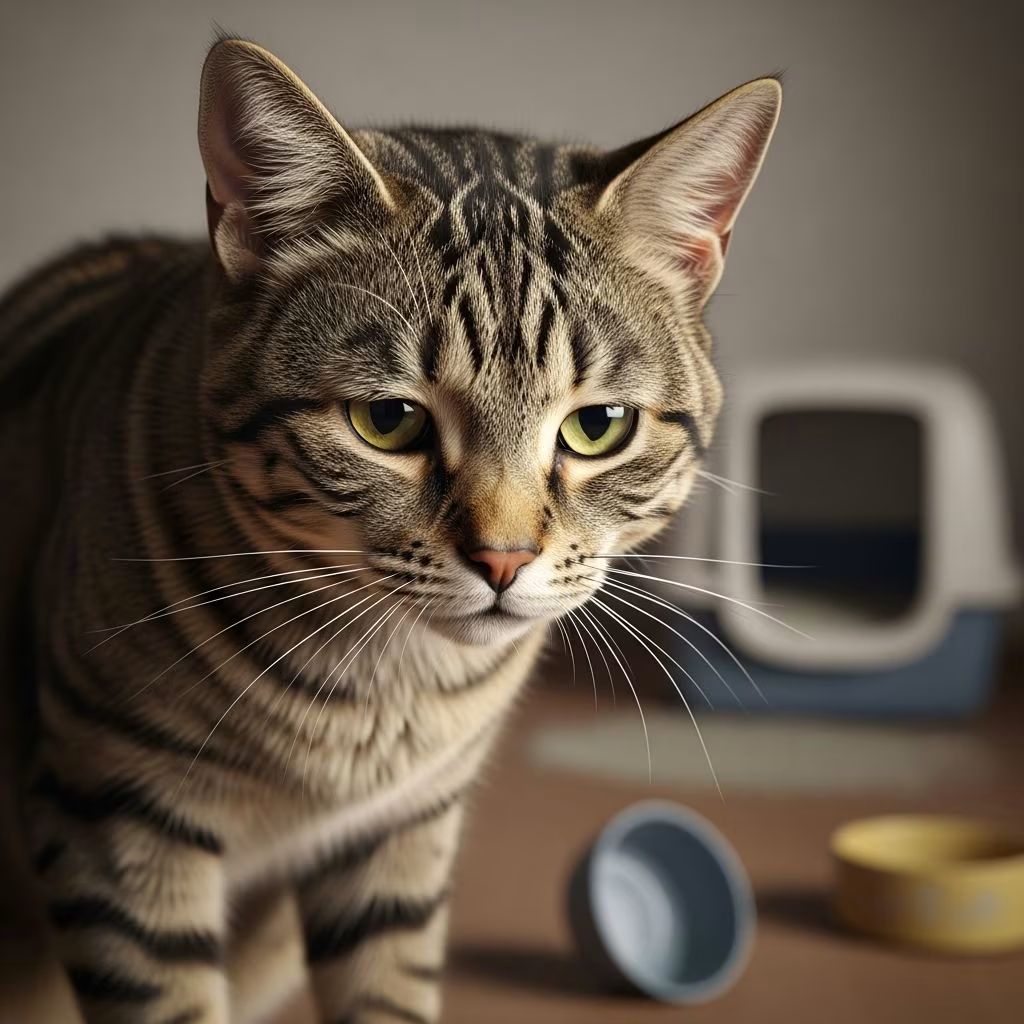
Diarrhea in cats is a frequent concern for pet owners, often signaling an underlying issue that requires prompt attention. This condition involves loose, watery stools that can lead to dehydration if unmanaged, particularly in kittens or smaller cats. Understanding its origins, spotting key indicators, and knowing appropriate interventions can help restore your cat’s well-being swiftly.
Recognizing Diarrhea in Your Cat
Cat diarrhea manifests through several noticeable changes in bowel habits. Owners might observe soft or liquid stools, sometimes with mucus, blood, or undigested food particles. Additional signs include more frequent trips to the litter box, straining during defecation, or accidents outside the designated area. Cats may also show discomfort like abdominal tenderness, reduced eating, vomiting, lethargy, or unexplained weight loss.
- Frequent, small-volume stools: Often linked to large intestine involvement.
- Large-volume watery stools: Typically from small intestine disturbances.
- Presence of worms or parasites: Visible in feces, indicating infestation.
- Bloody or mucous stools: Suggesting inflammation or infection.
These symptoms can vary by severity. Acute episodes last under 48 hours and may resolve independently, while chronic ones persist over weeks, demanding thorough investigation.
Primary Triggers of Feline Diarrhea
Numerous factors can disrupt a cat’s digestive system, leading to diarrhea. These range from benign dietary slips to serious medical conditions. Identifying the trigger is crucial for targeted management.
Dietary Disruptions
Sudden food switches without gradual transition often upset the gut flora, causing loose stools. Human foods like dairy, fatty scraps, or table treats can provoke intolerance since cats lack enzymes to digest lactose effectively. Spoiled food, garbage scavenging, or excessive treats exacerbate this.
Infections and Parasites
Parasitic invasions such as roundworms, hookworms, or protozoa like Giardia irritate the intestines, especially in young cats or outdoor roamers. Bacterial culprits like Salmonella or Clostridium, and viral threats including panleukopenia, trigger inflammation and fluid loss.
Stress-Induced Gut Upset
Cats are sensitive to environmental changes—new pets, moves, or loud noises can spark colitis, resulting in urgent, mucus-laden stools. This stress colitis mimics irritable bowel responses in humans.
Chronic and Systemic Diseases
Persistent diarrhea signals deeper issues: inflammatory bowel disease (IBD) causes ongoing inflammation; pancreatitis inflames the digestive enzyme producer; hyperthyroidism accelerates metabolism; liver or kidney dysfunction impairs processing; and cancers like lymphoma affect the gut lining.
| Category | Examples | Common in |
|---|---|---|
| Dietary | New food, dairy, toxins | All ages |
| Infectious | Parasites, bacteria, viruses | Kittens, outdoors |
| Stress | Changes, anxiety | Sensitive cats |
| Chronic | IBD, cancer, organ disease | Adults/seniors |
Distinguishing Acute from Chronic Cases
Acute diarrhea strikes suddenly and briefly, often from transient causes like diet blunders or mild bugs. It usually self-resolves with supportive care. Chronic forms linger or recur, pointing to enduring problems like allergies, IBD, or endocrine disorders. These demand diagnostics to avert malnutrition or dehydration.
Kittens and seniors face higher risks; even short bouts can escalate to emergencies due to rapid fluid loss.
Immediate Home Management Strategies
For mild, short-term diarrhea without alarming signs, withhold food for 12-24 hours while ensuring water access—this rests the gut. Reintroduce bland diets like boiled chicken and rice in tiny portions, transitioning back slowly over 7-10 days.
- Boost hydration with unflavored electrolyte solutions.
- Avoid dairy, fatty foods, or novel treats.
- Probiotics formulated for cats can restore gut bacteria balance.
Monitor closely; improvement should appear within 48 hours.
Veterinary Interventions and Diagnostics
Seek professional care if diarrhea exceeds 24-48 hours, shows blood, or pairs with vomiting, lethargy, or appetite loss. Vets start with fecal exams for parasites, blood panels for organ function, and imaging for obstructions.
Treatments tailor to diagnoses:
- Parasites: Dewormers like fenbendazole.
- Infections: Antibiotics or antivirals.
- IBD/Colitis: Anti-inflammatories, special diets.
- Dehydration: IV fluids in clinic.
- Chronic cases: Long-term meds, hypoallergenic foods.
Therapeutic nutrition shines here—high-fiber, low-fat formulas firm stools and soothe linings.
Preventive Measures for Optimal Gut Health
Proactive steps minimize recurrence. Maintain consistent, quality diets transitioned gradually. Regular deworming and vaccinations guard against parasites and viruses. Minimize stress with stable routines, hiding spots, and pheromone diffusers.
- Fecal checks biannually, especially for hunters.
- Secure trash; use cat-safe plants.
- Portion treats under 10% daily intake.
Annual vet wellness exams catch brewing issues early.
Special Considerations for Kittens and Seniors
Kittens dehydrate fast from diarrhea, often from parasites or weaning errors—immediate vet visits are non-negotiable. Seniors prone to hyperthyroidism or cancers need prompt chronic evaluations.
Frequently Asked Questions
What home remedies stop cat diarrhea fast?
Bland diets, hydration, and cat probiotics aid mild cases, but consult vets first.
Is cat diarrhea always serious?
No, acute bouts often pass; chronic or symptomatic ones require checks.
Can food allergies cause ongoing diarrhea?
Yes, novel proteins or carbs trigger IBD-like responses; elimination diets confirm.
How long before vet for kitten diarrhea?
Within 24 hours, as dehydration risks soar.
Do probiotics help feline diarrhea?
Often yes, by rebalancing gut flora post-disruption.
References
- Diarrhea in Cats: Common Causes & When It’s Serious — Animal General CT. 2022-05-15. https://www.animalgeneralct.com/site/blog/2022/05/15/diarrhea-in-cats-common-causes-when-its-serious
- Diarrhea in Cats: Common Causes & When It’s Serious — Vet Referral Center. 2024-02-15. https://www.vetreferralcenter.com/site/blog/2024/02/15/diarrhea-cats
- Diarrhea in Cats: Common Causes & When It’s Serious — Voorhees Vet. 2023-10-15. https://www.voorheesvet.com/site/blog/2023/10/15/diarrhea-cats
- Cat Diarrhea: Causes, Symptoms & Treatment — Purina. N/A. https://www.purina.com/articles/cat/health/digestion/cat-diarrhea-causes-treatment
- Cat Diarrhea: Causes and What to Do About It — PetMD. N/A. https://www.petmd.com/cat/symptoms/cat-diarrhea
- Diarrhea in Cats: Common Causes & When It’s Serious — Pets on Broadway. 2024-07-31. https://www.petsonbroadway.net/site/blog/2024/07/31/diarrhea-cats



