

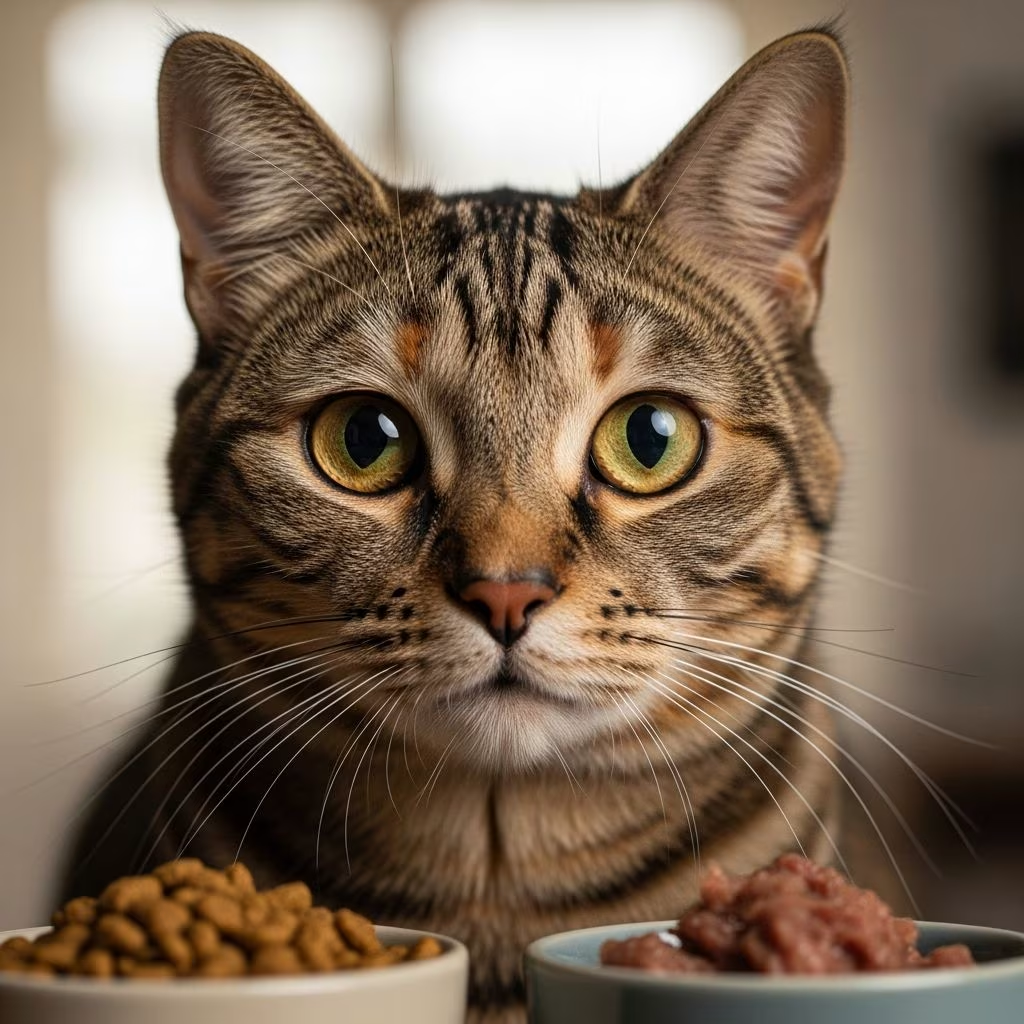
Abrupt switches in cat food frequently result in diarrhea because feline digestive systems are highly sensitive to new ingredients and nutrient profiles. Cats, as obligate carnivores, thrive on stable diets high in animal proteins, and sudden alterations can disrupt gut bacteria balance, leading to loose stools within hours or days.
Why Diet Shifts Disrupt Feline Digestion
The feline gut relies on a delicate microbiome tailored to consistent nutrition. Introducing novel proteins, fibers, or carbohydrate levels shocks this ecosystem, promoting overgrowth of inflammatory bacteria like Prevotella in high-carb foods. Common triggers include:
- Switching from dry to wet food or vice versa, altering moisture and digestibility.
- Raw or BARF diets, which introduce bacteria or high fiber cats poorly tolerate.
- Ingredients like cow’s milk, grains, or novel meats causing intolerances.
- Treats or table scraps added suddenly, often contaminated or allergenic.
Even well-meaning changes for life-stage needs—kitten to adult or senior formulas—demand caution, as metabolic shifts amplify sensitivity.
Recognizing Diet-Related Diarrhea
Distinguish benign adjustment diarrhea from serious issues by observing stool traits and accompanying signs. Mild cases feature soft, occasional loose stools resolving in 1-2 days post-reversion to old food.
| Stool Type | Duration | Likely Cause | Action |
|---|---|---|---|
| Soft, infrequent | 1-2 days | Diet change | Monitor, revert food |
| Watery, frequent | >2 days | Infection/parasites | Vet visit |
| Bloody/mucousy | Any | Colitis/IBD | Immediate vet |
| With vomiting | Any | Toxins/stress | Urgent care |
Data from veterinary sources emphasize that persistent symptoms signal deeper problems like parasites, infections, or endocrine disorders.
Safe Strategies for Transitioning Cat Food
Prevent upset by gradual integration over 7-10 days, mimicking natural adaptation. This table outlines a proven schedule:
| Day | Old Food % | New Food % | Notes |
|---|---|---|---|
| 1-2 | 75-90 | 10-25 | Mix thoroughly; observe appetite |
| 3-4 | 50-75 | 25-50 | Increase water access |
| 5-6 | 25-50 | 50-75 | Watch for refusal |
| 7-10 | 0-25 | 75-100 | Full switch if no issues |
Pro tips: Choose digestible proteins like chicken or turkey with rice bases initially. Provide ample fresh water to aid hydration during flux. If refusal occurs, avoid force-feeding to prevent hepatic lipidosis, a fatal liver condition from fasting.
Other Culprits Mimicking Diet Diarrhea
Not all loose stools stem from food. Rule out these via vet diagnostics:
- Infections: Parasites (worms, protozoa), bacteria, viruses—prevalent in kittens.
- Stress: New homes, travel, or multi-pet dynamics cause colitis-like symptoms.
- Ingestion: Toxins, garbage, strings, or spoiled food irritate intestines.
- Chronic Conditions: IBD, pancreatitis, hyperthyroidism, cancer—multifactorial and persistent.
Antibiotics or anti-inflammatories can also provoke episodes.
When to Escalate to Veterinary Care
Monitor closely; intervene if:
- Diarrhea exceeds 48 hours or recurs intermittently.
- Blood, mucus, or black tarry stools appear.
- Lethargy, vomiting, anorexia, or dehydration (skin tenting, dry gums) emerge.
- Kitten, senior, or multi-pet household scenarios.
Vets may recommend fecal tests, bloodwork, or prescription diets. Acute cases often resolve with fluids and probiotics; chronic ones need targeted therapy.
Optimizing Long-Term Feline Gut Health
Beyond transitions, foster resilience:
- Select AAFCO-approved foods matching life stage and health needs.
- Incorporate probiotics/prebiotics for microbiome stability.
- Maintain portion control to avoid overfeeding, which worsens diarrhea.
- Annual deworming and vaccinations preempt infections.
- Minimize stress with routines, hiding spots, and pheromone diffusers.
For sensitivities, hydrolyzed protein or novel ingredient diets under vet guidance excel.
FAQs
Can all cats handle food changes without diarrhea?
No, sensitive stomachs in breeds like Siamese or those with prior GI issues heighten risk. Gradual shifts mitigate for most.
How long after food change does diarrhea start?
Typically 12-48 hours, peaking days 1-3 if abrupt.
Is wet food better for preventing diarrhea?
Higher moisture aids digestion, but switches still require transitions. Balance with dry for dental health.
What home remedies soothe mild cases?
Revert food, ensure hydration, bland rice/chicken temporarily—but vet first if severe.
Does raw food always cause diarrhea?
Often yes initially due to bacteria/fiber; not ideal for all cats without prep.
Mastering these practices ensures dietary changes enhance, not harm, your cat’s vitality. Consult vets for tailored plans.
References
- Can changing cat food cause diarrhoea? — Whiskas UK. 2023. https://www.whiskas.co.uk/blog/feeding/can-changing-cat-food-cause-diarrhoea
- Feline diarrhea – Dealing with diarrhoea in cats — Arden Grange. 2024. https://www.ardengrange.com/nutrition-and-advice/fact-sheets/feline-fact-sheets/fact-sheets-medical-conditions-section/fact-sheet-feline-diarrhoea/
- Cat Diarrhea: What Owners Can Do To Help — AnimalBiome. 2024. https://www.animalbiome.com/blogs/pet-health/cat-diarrhea-what-you-need-to-know
- Cat Diarrhea: Causes and What to Do About It — PetMD. 2024. https://www.petmd.com/cat/symptoms/cat-diarrhea
- Diarrhea in Cats: Common Causes & When It’s Serious — Voorhees Animal Hospital. 2023-10-15. https://www.voorheesvet.com/site/blog/2023/10/15/diarrhea-cats
- Diarrhea in Cats: Common Causes & When It’s Serious — Pets on Broadway. 2024-07-31. https://www.petsonbroadway.net/site/blog/2024/07/31/diarrhea-cats



