
Cat Diabetes Guide
Comprehensive insights into recognizing, managing, and potentially reversing diabetes in cats for better feline health.
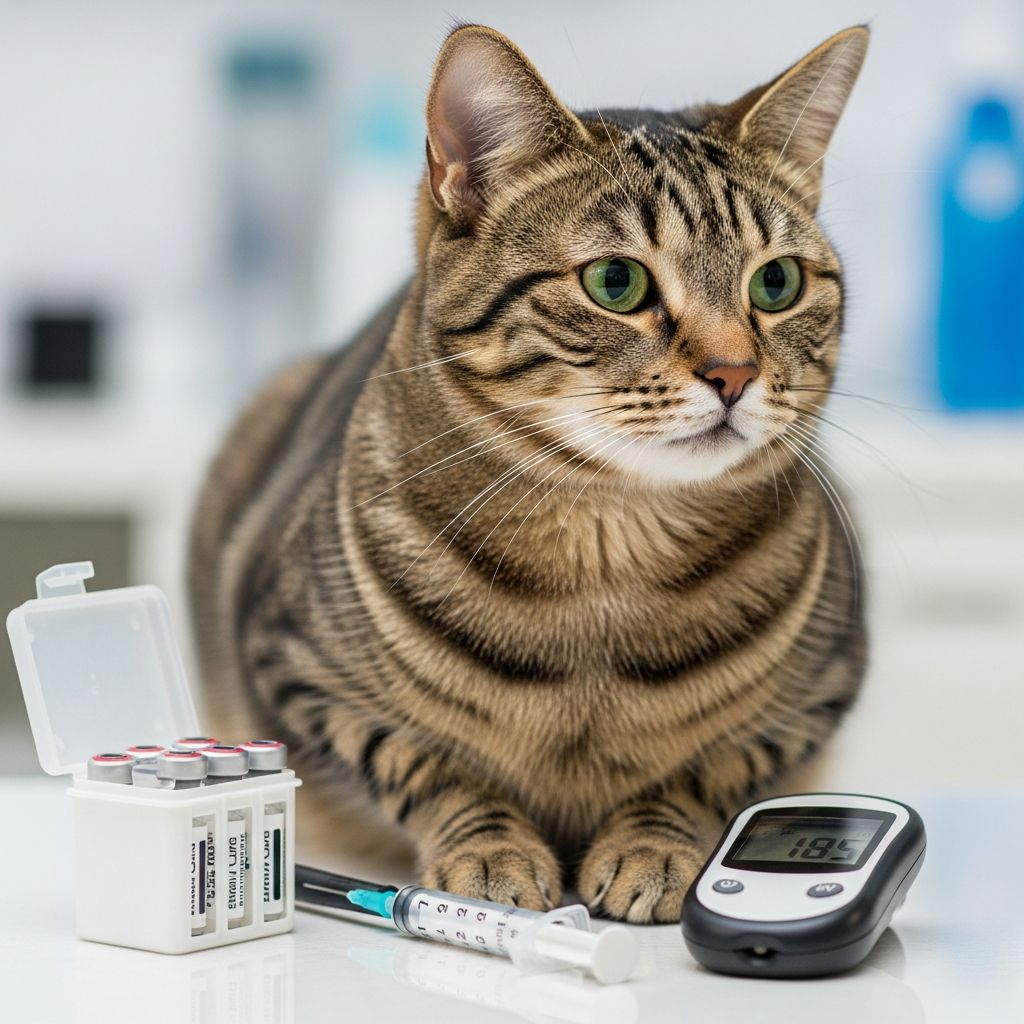
Diabetes mellitus affects many cats, disrupting their ability to process glucose effectively due to issues with insulin production or response. This condition manifests through noticeable behavioral and physical changes, requiring prompt veterinary attention for effective control.
Recognizing the Signs of Diabetes in Cats
Early detection plays a crucial role in managing feline diabetes successfully. Cats often display subtle initial symptoms that owners might overlook, but vigilance can lead to timely intervention.
- **Excessive Thirst (Polydipsia):** Cats drink far more water than usual, sometimes soaking their bedding or leaving larger puddles near water bowls.
- **Frequent Urination (Polyuria):** Increased visits to the litter box or larger urine clumps signal the kidneys’ attempt to expel excess glucose.
- **Unexplained Weight Loss:** Despite normal or heightened appetite, cats lose muscle and fat because glucose cannot enter cells for energy.
- **Ravenous Hunger (Polyphagia):** The body signals starvation even with food available, as cells remain deprived of fuel.
- **Lethargy and Weakness:** Reduced energy levels occur as the body breaks down fats and proteins inefficiently.
- **Poor Coat Condition:** A dull, unkempt fur reflects overall metabolic imbalance.
These symptoms typically develop gradually in middle-aged or senior cats, particularly those over seven years old. Owners should track water intake and litter box usage to spot patterns early.
Root Causes Behind Feline Diabetes
Understanding what triggers diabetes helps in prevention and treatment planning. Unlike humans, cats predominantly experience Type 2 diabetes, characterized by insulin resistance rather than complete deficiency.
The pancreas produces insulin, a hormone that facilitates glucose uptake into cells. In diabetic cats, cells resist insulin, or the pancreas fails to produce enough, leading to hyperglycemia.
- **Obesity:** The leading risk factor, as excess fat impairs insulin function. Overweight cats face significantly higher odds.
- **Age and Breed:** Older cats and certain breeds like Burmese are more susceptible.
- **Concurrent Illnesses:** Conditions such as hyperthyroidism, chronic kidney disease, pancreatitis, or urinary infections exacerbate risks.
- **Medications:** Corticosteroids can induce secondary diabetes, often reversible upon discontinuation.
Genetics may contribute, but lifestyle factors like inactivity and high-carb diets dominate.
Diagnostic Process for Diabetic Cats
Veterinarians confirm diabetes through a combination of clinical history, physical exams, and lab tests. Bloodwork reveals elevated glucose levels, typically above 200 mg/dL in non-stressed cats.
| Test | Purpose | Key Indicators |
|---|---|---|
| Blood Glucose Curve | Monitors levels over time | Persistent hyperglycemia |
| Fructosamine Test | Assesses average glucose over 1-3 weeks | Confirms chronic elevation |
| Urinalysis | Detects glucose in urine | Glucosuria without infection |
| Full Blood Panel | Rules out comorbidities | Checks kidney, thyroid function |
Stress hyperglycemia from vet visits can mimic diabetes, so home monitoring or fructosamine provides reliable confirmation.
Treatment Strategies for Feline Diabetes
Diabetes in cats is manageable with a multifaceted approach focused on normalizing blood glucose, halting weight loss, and preventing complications. Primary goals include restoring balance without inducing hypoglycemia.
Insulin Therapy Essentials
Injectable insulin remains the cornerstone, administered subcutaneously once or twice daily. Vets select types like glargine (Lantus), PZI (ProZinc), or Lente based on the cat’s response.
- Glargine offers high remission rates, especially early in diagnosis, though it’s costlier.
- Dosing starts conservatively, adjusted via serial glucose curves every 1-2 weeks initially.
- Owners learn injection techniques; most cats tolerate needles well after acclimation.
Treatment demands commitment but yields rewarding results with proper adherence.
Dietary Management and Weight Control
Low-carbohydrate, high-protein diets mimic a cat’s natural intake, stabilizing glucose spikes. Prescription wet foods are ideal, promoting hydration and satiety.
- Feed consistent small meals timed with insulin doses.
- For obese cats, gradual weight loss under vet supervision enhances insulin sensitivity.
- Avoid free-feeding; portion control prevents fluctuations.
Studies show diet alone induces remission in some newly diagnosed cases.
Emerging Oral Medications
For select cats producing residual insulin, drugs like Bexacat (bexaglustat) reduce resistance and pancreatic damage. Not suitable for all; vet evaluation required.
Daily Monitoring at Home
Owners track progress through clinical signs and glucose checks using ear pricks or continuous monitors.
- Positive responses: Stabilized weight, reduced thirst/urination, increased activity.
- Hypoglycemia signs: Shaking, disorientation, seizures—treat with corn syrup immediately and seek emergency care.
Regular vet rechecks every 3-6 months refine protocols.
Complications and Emergencies
Untreated diabetes progresses to ketoacidosis (DKA), marked by vomiting, rapid breathing, and collapse. Hospitalization with IV fluids and insulin reverses it, but prevention is key.
Other risks include neuropathy (plantigrade stance) and infections; good control mitigates these.
Path to Remission
Up to 50% of cats achieve remission, ceasing insulin needs, especially if treated early with glargine and weight loss. Maintenance diet and monitoring persist, as relapse occurs.
Prevention Tips for Healthy Cats
- Maintain ideal weight through portioned, low-carb feeding.
- Encourage play for exercise.
- Annual vet exams detect prediabetes.
- Neutering requires calorie adjustment to avoid obesity.
Frequently Asked Questions
Can all diabetic cats receive insulin?
Most yes, but those with advanced kidney disease or owners unable to commit may explore alternatives.
How much does treatment cost?
Initial diagnostics: $200-500; monthly insulin/supplies: $50-150; remission lowers long-term expenses.
Will my cat’s personality change?
Proper management restores normal behavior; untreated cats grow irritable.
Is wet food always necessary?
Preferred for hydration and carbs, but quality dry options exist with vet approval.
What if I miss an insulin dose?
Feed lightly and contact vet; double-dosing risks hypoglycemia.
Long-Term Outlook
With diligent care, diabetic cats enjoy quality lifespans comparable to non-diabetics. Owner education and consistency determine success.
References
- Diabetes in Cats: Symptoms, Causes, and Treatments — GoodRx. 2023. https://www.goodrx.com/pet-health/cat/diabetes
- Cat Diabetes: Symptoms, Diagnosis, Treatment — Best Friends Animal Society. 2023. https://bestfriends.org/pet-care-resources/cat-diabetes-symptoms-diagnosis-treatment
- Feline Diabetes — Cornell University College of Veterinary Medicine. 2024-01-15. https://www.vet.cornell.edu/departments-centers-and-institutes/cornell-feline-health-center/health-information/feline-health-topics/feline-diabetes
- Diabetes in Cats: Signs, Treatment, and Prognosis — PetMD. 2023. https://www.petmd.com/cat/conditions/endocrine/c_ct_diabetes_mellitus
- Diabetes Mellitus in Cats – Overview — VCA Animal Hospitals. 2023. https://vcahospitals.com/know-your-pet/diabetes-mellitus-in-cats-overview
- Diabetes in Cats – Signs, Symptoms, Treatment & Prevention — Bliss Animal Hospital. 2024. https://blissanimalhospital.com/blog/diabetes-in-cats-signs-treatment-prevention/
Similar Articles








Read full bio of Sneha Tete




