

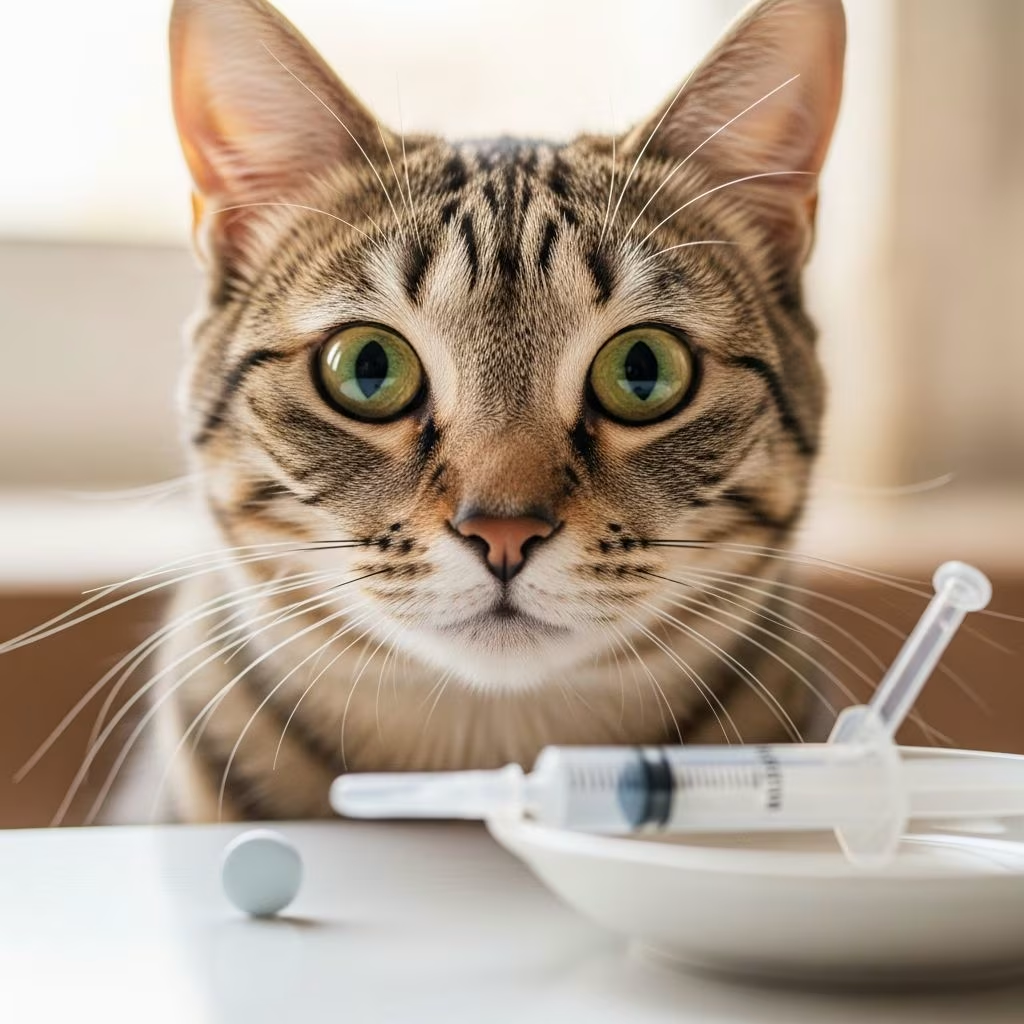
Intestinal parasites pose a significant threat to cats of all ages, but using dog dewormers on felines can lead to serious health complications due to differences in species-specific formulations and dosages. Veterinary professionals strongly advise against this practice, recommending cat-approved treatments instead for optimal safety and efficacy.
Understanding Feline Parasites and Their Impact
Cats commonly encounter various intestinal worms that can compromise their health. **Roundworms** and **hookworms** are among the most prevalent, often transmitted through contaminated soil, prey, or feces. These parasites can cause malnutrition, anemia, and stunted growth, particularly in kittens. Tapeworms, frequently spread via fleas, attach to the intestinal wall and may lead to weight loss and digestive disturbances.
Even indoor cats face risks from microscopic eggs tracked indoors on shoes or paws, or from ingesting infected insects. Kittens are especially vulnerable, as heavy infestations can block intestines or cause fatal dehydration from diarrhea and vomiting. Early detection through fecal exams is crucial for timely intervention.
Risks of Using Dog Dewormers on Cats
Dog deworming products are formulated for canine physiology, with dosages and active ingredients that may overdose or underdose cats, leading to toxicity or ineffective treatment. For instance, certain canine medications contain levels of pyrantel or fenbendazole unsuitable for felines, potentially causing severe vomiting, neurological issues, or organ damage.
- Different metabolism rates between dogs and cats alter drug processing.
- Label dosages ignore feline weight and age sensitivities.
- Lack of species-specific testing increases adverse reaction risks.
Veterinarians emphasize consulting professionals before any off-label use, as safe alternatives exist exclusively for cats.
Veterinarian-Recommended Deworming Medications for Cats
Safe dewormers target specific parasites while minimizing side effects. **Pyrantel pamoate** effectively eliminates roundworms and hookworms in kittens as young as three weeks. **Fenbendazole (Panacur)** offers broad-spectrum control against roundworms, hookworms, tapeworms, and giardia, with a wide safety margin when dosed correctly.
| Medication | Targets | Safe For | Form |
|---|---|---|---|
| Pyrantel pamoate | Roundworms, Hookworms | Kittens from 3 weeks, Pregnant queens | Liquid, Tablets |
| Fenbendazole | Roundworms, Hookworms, Tapeworms, Giardia | All ages, with vet guidance | Granules, Liquid |
| Monthly preventives (e.g., heartworm combos) | Multiple intestinal worms | Adults, Kittens over 6 months | Topical, Oral |
Prescription options outperform over-the-counter varieties in spectrum and reliability. Natural remedies like garlic or vinegar lack proven efficacy and may harm cats.
Deworming Schedules Tailored to Cat Age and Lifestyle
Treatment frequency varies by life stage and exposure risk. Kittens require intensive protocols to combat high susceptibility.
Kitten Deworming Protocol
- Start at 3-6 weeks with pyrantel, repeat at 2-week intervals until 12 weeks.
- Continue monthly until 6 months.
- Treat nursing mothers concurrently to break transmission cycles.
Adult Cat Protocols
- Indoor cats: Every 6 months or annually, plus fecal checks.
- Outdoor/hunting cats: Monthly, especially in summer.
- All cats: Integrate with flea/heartworm preventives for year-round protection.
Feral colony management involves quarterly 3-day fenbendazole courses after initial intensive treatments, ensuring every cat is trapped and dosed.
Administering Dewormers Safely at Home
Follow vet prescriptions precisely. Mix liquids or granules into food post-meal to reduce vomiting risks. Monitor for 24-48 hours post-dose.
- Observe for mild effects like drooling or loose stools, which usually resolve.
- Contact vet for persistent vomiting, lethargy, or skin reactions from topicals.
- Never adjust doses without guidance; overdosing amplifies dangers.
Effects begin within hours, with full expulsion in days. Repeat doses target hatching eggs.
Preventive Strategies to Minimize Parasite Risks
Proactive measures reduce deworming needs.
- Daily litter box cleaning prevents reinfection.
- Year-round flea control blocks tapeworm vectors.
- Keep cats indoors to limit soil/prey exposure.
- Annual fecal exams detect silent carriers.
- Treat all household pets simultaneously.
Monthly heartworm preventives often include dewormers, streamlining care.
Recognizing Worm Infestation Signs
Visible symptoms prompt urgent action: pot-bellied appearance, diarrhea with blood/mucus, weight loss despite appetite, or worms in feces/vomit. Subtle cues include poor coat condition or anemia in gums.
In severe cases, kittens suffer growth delays or blockages. Humans, especially children, risk zoonotic transmission via contaminated surfaces—emphasizing hygiene.
FAQs on Cat Deworming
Do indoor cats require deworming?
Yes, risks persist from fleas, tracked eggs, or other pets.
Are over-the-counter dewormers sufficient?
They may lack breadth; vet-prescribed options are superior.
How soon do dewormers work?
Within hours, but full clearance takes days; follow-ups ensure success.
Can worms spread to dogs or humans?
Yes, roundworms/hookworms are zoonotic; deworm regularly.
Is deworming safe during pregnancy?
Certain products like pyrantel are approved; consult your vet.
Household-Wide Parasite Management
When one cat shows signs, test and treat all pets. Clean environments thoroughly, vacuuming carpets and washing bedding to eliminate eggs. This holistic approach prevents cycles.
Veterinary partnerships ensure tailored plans, combining diagnostics, treatments, and preventives for long-term health.
References
- Deworming Feral Cat Colonies — Revival Animal Health. Accessed 2026. https://www.revivalanimal.com/learning-center/deworming-feral-cat-colonies
- Effective Cat Deworming Protocols — Baxter Animal Hospital. Accessed 2026. https://www.baxtervet.ca/pet-care/cat-services/deworming
- Cat Deworming — Willowbrook Veterinary Hospital. Accessed 2026. https://www.willowbrookvet.com/services-cat-deworming
- Deworming Kittens: Why It’s Important and When To Start — PetMD. Accessed 2026. https://www.petmd.com/cat/general-health/deworming-kittens
- Everything You Need to Know About Intestinal Parasites in Cats — Loch Haven Veterinary Hospital. Accessed 2026. https://www.lochhavenvet.com/services/cat-wellness/worms-cats
- Kitten Deworming Protocol — Shelter Medicine, UW–Madison. Accessed 2026. https://sheltermedicine.wisc.edu/library/resources/kitten-deworming-protocol



