
Cat Devil Eyes In Photos: Why They Happen And How To Avoid
Discover the science behind your cat's eerie glowing eyes in flash photos and how to capture stunning feline portraits without the spooky effect.
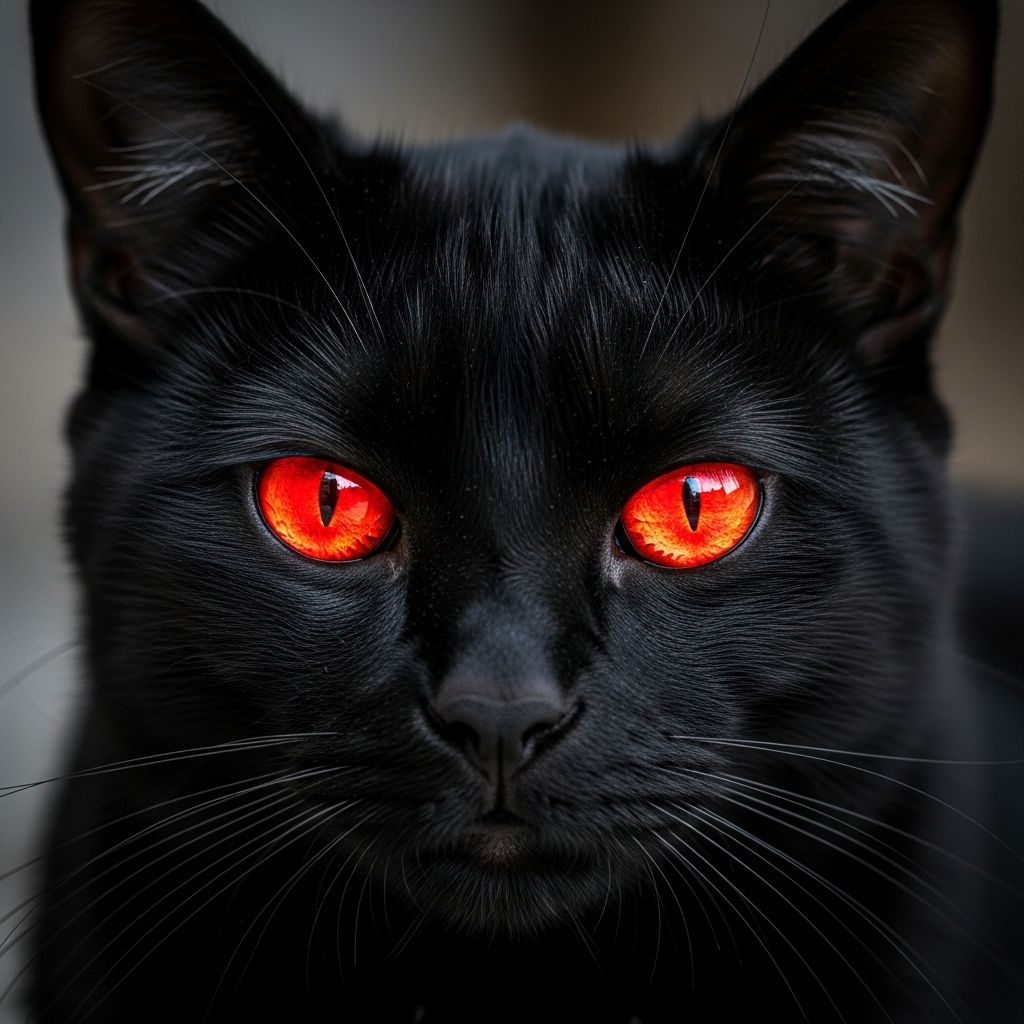
Your cat’s eyes suddenly turn an unnatural green or yellow glow in every smartphone snapshot—it’s a startling effect that has puzzled pet owners for years. This phenomenon, often dubbed “devil eyes,” stems from a remarkable adaptation in feline biology called the tapetum lucidum, which amplifies their night vision but creates eerie reflections when hit by camera flashes.
The Biological Marvel Behind the Glow
Cats are crepuscular hunters, most active at dawn and dusk, so their eyes are engineered for low-light prowess. At the heart of this ability lies the tapetum lucidum, a reflective membrane positioned behind the retina. Unlike human eyes, which absorb incoming light once, a cat’s tapetum bounces photons back through the retina for a second pass, effectively doubling light availability and boosting vision in dim conditions by up to 44%.
This layer consists of crystalline structures—cats rely on riboflavin (Vitamin B2) crystals—giving the glow its signature hues from green-gold to fiery orange, depending on the cat’s breed, age, and light wavelength. Puppies and kittens often show a blue tint due to less developed tapeta, maturing to warmer tones in adults.
- Enhanced Sensitivity: Cats detect light six times dimmer than humans, spotting prey in near-total darkness.
- Color Variation: Ambient lighting and flash angle dictate if eyes shine emerald, amber, or even pinkish.
- Species Comparison: Dogs use zinc-based tapeta for similar effects, while diurnal animals like squirrels lack it entirely.
Why Flashes Turn Pets into Demons
The “devil eyes” magic happens exclusively with direct flash photography. In low light, pupils dilate wide to gather more light. When a burst from your camera hits, it passes through the pupil, reflects off the tapetum, and rebounds directly into the lens—creating that supernatural shine. Humans get “red-eye” instead because our retinas’ blood vessels reflect the light crimson, sans reflective layer.
Key triggers include:
- Proximity of flash to lens (common in phones).
- Dim environments causing pupil expansion.
- Direct gaze at the camera, maximizing reflection angle.
Without a tapetum, daytime animals or humans don’t exhibit this; it’s a nocturnal superpower inadvertently spotlighted by modern tech.
Historical Myths and Cultural Spookiness
Long before cameras, glowing cat eyes fueled folklore. In medieval Europe, felines were branded witch familiars or devil incarnates, their nocturnal luminescence seen as infernal. Norse tales featured Freyja’s chariot drawn by massive cats with beacon-like eyes, blending awe and fear.
Modern media amplifies this: horror films deploy the effect for chills, embedding it in pop culture as a supernatural omen. Yet, it’s pure evolution— a survival tool mistaken for menace.
| Era | Belief | Modern Parallel |
|---|---|---|
| Medieval Europe | Witch’s companions | Horror movie tropes |
| Norse Mythology | Goddess escorts | Fantasy literature |
| Today | Supernatural sign | Viral pet memes |
Perfecting Cat Photography: Avoid the Glow
Capturing your cat’s soulful gaze without demonic flair requires strategy. Ditch the built-in flash; opt for natural or continuous lighting to sidestep reflections.
Essential Gear and Settings
- Wide Aperture: f/1.8 or lower lets in ample light (e.g., 50mm prime lens).
- High ISO: 800-3200 balances brightness without noise.
- Slow Shutter: 1/60s with stabilization for sharp shots.
- Macro Lens: Highlights iris details up close.
- LED Panels: Soft, diffused side-lighting mimics moonlight.
Pro Tip: Position light off-axis to the camera, reducing direct rebound. Use burst mode for elusive blinkers.
Common Pitfalls to Dodge
| Mistake | Solution |
|---|---|
| Too distant subject | Fill frame with eyes |
| Shallow depth of field | f/2.8+ for focus |
| Motion blur | Tripod or fast shutter |
| Harsh flash | Diffuse or ambient light |
When to Worry: Health Red Flags
That glow is typically benign, but anomalies signal issues. Consistent one-eye glow or pale/white shine in cats (vs. vibrant colors) might indicate retinal detachment, cataracts, or tumors—consult a vet promptly. Human pale glows warrant ophthalmologist checks for similar reasons. Children’s frequent red-eye is normal due to rapid pupil dilation.
Breeds like Siamese may show milder shines from tapetal variations; persistent changes deserve professional eyes.
Fun Facts on Feline Vision
- Cats see ultraviolet light, aiding scent-trail hunts.
- Their 200 million rod cells (vs. humans’ 120 million) excel in motion detection.
- Pupils slit vertically for depth perception in pouncing.
- They sacrifice color fidelity—blues/greens dominate their palette.
DIY Glow-Free Portrait Session
Transform spooky snaps into gallery-worthy art:
- Choose golden hour or window light.
- Engage with toys for alert expressions.
- Edit lightly: Boost contrast, warm tones.
- Post-process red-eye tools if needed (though rare for cats).
Experiment angles—low perspectives emphasize the wild hunter vibe safely.
Frequently Asked Questions (FAQs)
Why do only some animals get glowing eyes in photos?
Nocturnal species with tapetum lucidum, like cats and dogs, reflect flash; diurnal ones don’t.
Is the devil eyes effect harmful to my cat?
No, flashes don’t damage eyes; it’s cosmetic.
How can I fix glowing eyes after shooting?
Software like Lightroom has pet-eye correction; or reshoot with flash off.
Do all cats have the same glow color?
No—varies by individual, from green to orange.
Can I prevent it on my phone?
Enable night mode or use screen flash; bounce light off ceilings.
Advanced Techniques for Pros
For stunning results, try off-camera flash with diffusers or ring lights. High-speed sync freezes motion while minimizing glow. Post-production: Layer masks isolate eyes for natural darkening.
Understanding this interplay of biology and optics empowers you to celebrate your cat’s superpowered sight without the horror-show side effect.
References
- Eye of Horror Cats: When Felines Turn Frightening — Vocal Media. 2023. https://vocal.media/horror/eye-of-horror-cats-when-felines-turn-frightening
- Why Pets Get Devil Eyes in Photos — Drool by Dr. Chris Brown. 2023. https://www.drool.pet/blogs/the-why/why-pets-look-like-the-devil-in-photos
- How to Fix the Red Eye Effect in Photos — All About Vision. 2023. https://www.allaboutvision.com/resources/human-interest/red-eye-photo/
Similar Articles








Read full bio of medha deb




