

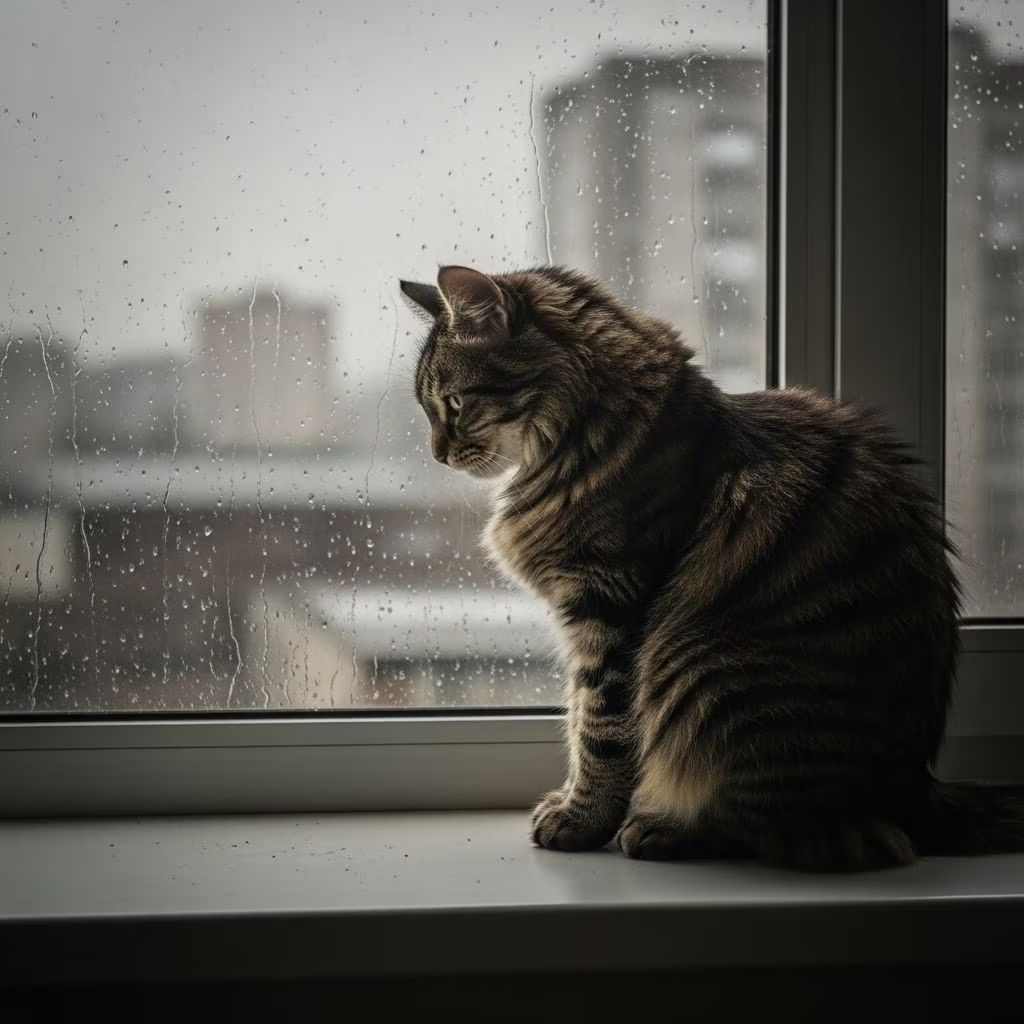
Cats can experience depression, manifesting in subtle behavioral and physical changes that attentive owners may notice. Unlike humans, cats express sadness through withdrawal, altered routines, and physical neglect rather than overt emotional displays. Recognising these **cat depression symptoms** early allows for timely intervention, potentially preventing escalation into chronic issues or underlying health problems.
Can Cats Get Depressed?
Yes, cats can get depressed. Veterinary experts confirm that felines possess emotional capacity similar to humans, experiencing stress, grief, and mood disorders. Conditions like chronic distress from environmental changes or undiagnosed illnesses often trigger depressive states. Studies and clinical observations indicate cats may show signs mimicking human depression, including lethargy and anhedonia (loss of pleasure in activities). While not always diagnosed as ‘depression’ in veterinary terms, these symptoms warrant investigation to rule out medical causes.
Signs of Depression in Cats
Cat depression symptoms vary but commonly include behavioural shifts. Key indicators include:
- Lethargy and low energy: Cats that once bounded with energy now sleep excessively or move sluggishly.
- Appetite changes: Refusal to eat or sudden overeating, potentially leading to fatty liver disease.
- Social withdrawal: Avoiding interaction, hiding more, or showing indifference to owners and play.
- Grooming alterations: Neglect leading to matted fur, or overgrooming causing bald patches and skin issues.
- Vocalisation changes: Increased meowing, crying, or unusual vocal patterns indicating distress.
- Aggression or irritability: Uncharacteristic hissing, swatting, or avoidance of touch.
These signs often overlap with illness, so professional evaluation is essential.
Symptoms of a Depressed Cat
Beyond general signs, specific symptoms provide clearer diagnostic clues. Watch for:
- Persistent hiding in unusual spots.
- Loss of interest in toys or hunting games.
- Changes in litter box habits, like avoidance or accidents.
- Altered sleep patterns, such as insomnia or hypersomnia.
- Physical cues like a lowered tail, hunched posture, or dilated pupils.
If symptoms last over a few days, consult a vet promptly to differentiate depression from conditions like hyperthyroidism or pain.
Causes of Cat Depression
Multiple factors contribute to cat depression. Primary causes fall into environmental, social, and medical categories.
Environmental Changes
Cats thrive on routine; disruptions trigger stress:
- New home or rearrangements.
- Schedule shifts, like owner travel.
- Renovations or loud noises.
Social Dynamics
Bonding affects mood profoundly:
- Loss of companion animal or human.
- Introduction of new pets, babies, or people.
- Overcrowding or pet conflicts.
Medical Issues
Health problems mimic or cause depression:
| Condition | Symptoms Overlap |
|---|---|
| Arthritis or chronic pain | Lethargy, reduced activity |
| Dental disease | Appetite loss, drooling |
| Hyperthyroidism | Irritability, weight loss |
| Infections or cancer | Withdrawal, poor grooming |
Poor nutrition exacerbates vulnerability. Genetic predispositions may play a role in sensitive cats.
How to Tell If Your Cat Is Depressed
Distinguish depression from normal behaviour by tracking patterns over 48-72 hours. Use a journal noting activity, eating, and interactions. Rule out transient stress versus persistent changes. Video behaviours for vet review. Baseline comparison: recall your cat’s normal energy and habits. If multiple symptoms cluster without clear trigger, depression is likely.
Treatment for Cat Depression
Treatment prioritises identifying and addressing root causes. Always start with veterinary assessment.
Medical Interventions
- Address underlying illness: Pain relief, antibiotics, or dental work.
- Medications: Antidepressants like fluoxetine (Prozac), anti-anxiety drugs such as buspirone or alprazolam in severe cases.
Environmental and Behavioural Therapies
- Pheromone diffusers (e.g., Feliway) to calm.
- Behaviour modification: increased play, puzzle feeders.
- Dietary supplements with L-tryptophan or L-theanine to boost serotonin.
Holistic options include acupuncture or calming music tailored for cats.
How to Help a Cat with Depression
Owners play a crucial role post-vet visit:
- Enrich environment: Vertical spaces, scratching posts, window perches.
- Maintain routine: Consistent feeding, playtimes.
- Increase interaction: Gentle petting, interactive toys; respect boundaries.
- Monitor progress: Adjust based on response; patience is key as recovery varies.
Avoid punishment, which worsens stress.
Preventing Cat Depression
Proactive steps minimise risk:
- Gradual introductions to changes.
- Regular vet check-ups for early detection.
- Daily stimulation: 15-30 minutes play.
- Balanced diet and safe spaces.
- Socialisation from kittenhood.
Frequently Asked Questions
Can cats get depressed after moving house?
Yes, moving disrupts territory and routine, often causing temporary depression. Mitigate with familiar items and gradual adjustment.
Is my cat depressed or sick?
Symptoms overlap; vet exams via bloodwork or imaging differentiate. Treat illness first.
How long does cat depression last?
Varies from days to months; with intervention, most improve in 1-4 weeks.
Do antidepressants work for cats?
Yes, fluoxetine effectively reduces anxiety and depression in clinical cases, per vet prescription.
Can supplements cure cat depression?
They support mood via serotonin boost but work best alongside environmental changes; evidence is emerging.
References
- Think Your Cat Is Depressed? 13 Signs You Have a Sad Cat — Chewy. Accessed 2026. https://www.chewy.com/education/cat/health-and-wellness/signs-cat-is-depressed
- Is your cat depressed? Here are some signs, and how to help — ManyPets. Accessed 2026. https://manypets.com/us/blog/cat-depression/
- Can Cats Get Depressed? Understanding Cat Depression — Pets Best. Accessed 2026. https://www.petsbest.com/blog/cat-depression
- Is Your Cat Sad? Signs & Causes of Cat Depression — Eastgate Animal Hospital. 2023-11-15. https://www.eastgateanimalhospital.com/site/blog/2023/11/15/cat-sad-depression
- Cat Depression Treatments – What Are Your Options? — PetCareRx. Accessed 2026. https://www.petcarerx.com/article/cat-depression-treatments-what-are-your-options/1384
- Is Cat Depression Real? — PetMD. Accessed 2026. https://www.petmd.com/cat/behavior/can-cats-get-depressed



