

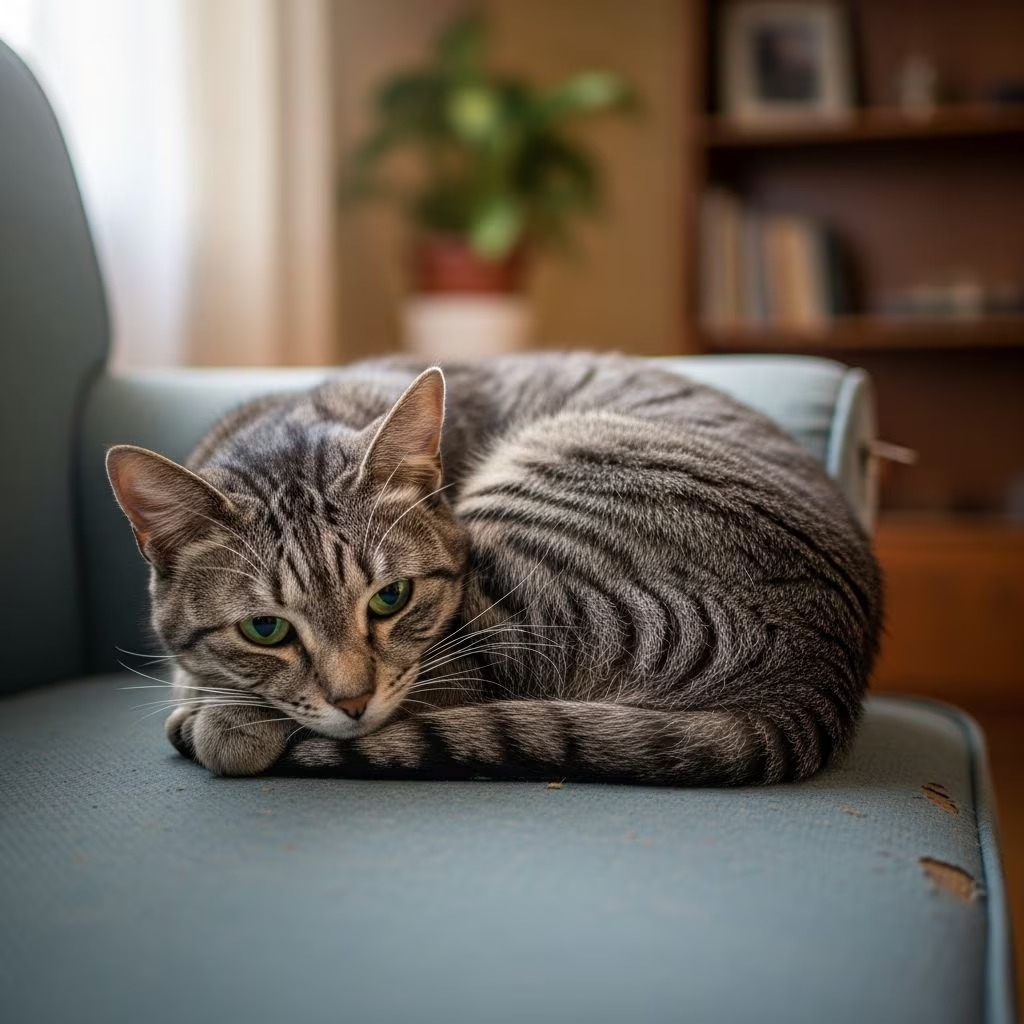
Understanding Cat Depression: Signs Your Cat May Be Sad
Cats are emotional creatures that experience a range of feelings, and just like humans, they can become depressed. If you’ve noticed your cat acting differently lately—withdrawing from social interaction, losing interest in play, or showing changes in appetite—your feline friend may be experiencing depression. Cat depression is real and can significantly impact your pet’s quality of life. Recognizing the signs early is crucial for getting your cat the help they need.
Common Signs of Cat Depression
Understanding the symptoms of depression in cats is the first step toward helping your pet. Depressed cats often display a variety of behavioral and physical changes that distinguish them from their normally healthy selves.
Behavioral Changes
- Reduced activity levels: Depressed cats typically become less playful and active than usual, spending more time resting or lying down.
- Excessive sleeping: While cats naturally sleep 12-16 hours per day, depressed cats may sleep even more and appear lethargic throughout the day.
- Social withdrawal: Your cat may avoid interaction with family members and hide in quiet corners of your home. They may refuse to engage in activities they once enjoyed.
- Vocalization changes: Some depressed cats become unusually quiet, while others may meow excessively or produce unusual vocalizations.
- Behavioral problems: Aggression, avoidance of affection, and other personality changes can indicate depression in cats.
Physical Symptoms
- Loss of appetite: One of the most noticeable signs of cat depression is a decreased interest in food, which can lead to weight loss.
- Weight loss: As cats eat less due to depression, they often lose weight rapidly, which can become a serious health concern.
- Poor coat condition: Depressed cats may neglect grooming, resulting in a matted, dull, or disheveled appearance.
- Overgrooming: Conversely, some depressed cats may overgroom, leading to hair loss, skin irritations, or bald patches.
- Inappropriate elimination: Depression can cause cats to urinate or defecate outside their litter box, even if they were previously housetrained.
- Digestive issues: Constipation or diarrhea may develop as a result of depression or stress-related changes.
- Urinary problems: Some depressed cats experience urinary tract or bladder issues.
Causes of Cat Depression
Depression in cats can stem from various sources, ranging from environmental changes to underlying medical conditions. Understanding what triggers depression in your cat is essential for effective treatment.
Environmental and Life Changes
Cats are creatures of habit, and significant changes to their environment can trigger stress and depression. Common environmental stressors include:
- Moving to a new home: Relocation disrupts a cat’s familiar territory and sense of security.
- Changes in routine: Alterations to feeding times, household schedules, or daily patterns can cause anxiety and depression.
- Introduction of new family members: Bringing home a new baby, spouse, or roommate can upset your cat’s balance.
- New pets: Adding another cat, dog, or pet to the household can create tension and stress.
- Loss of a loved one: Cats form strong bonds with their owners and other pets, and the loss of a companion through death or relocation can lead to mourning and depression.
- Home renovations: Loud noises, unfamiliar people, and disruptions from construction can stress your cat.
- Stressful living conditions: Overcrowding, conflicts with other pets, or exposure to loud noises can lead to chronic stress and depression.
Health-Related Causes
Many cases of cat depression are actually symptoms of underlying medical conditions. If your cat displays signs of depression, it’s crucial to rule out physical illness first. Health issues that can cause depression include:
- Chronic pain: Conditions causing pain, such as arthritis or undiagnosed injuries, can lead to depressive behaviors like reduced activity and appetite loss.
- Dental problems: Tooth decay, gum disease, and other oral issues can cause pain that manifests as depression.
- Arthritis: Joint pain and reduced mobility can make cats withdraw from normal activities.
- Fatty liver disease: This serious condition can develop when cats don’t eat enough and may present with depressive symptoms.
- Upper respiratory infections: Viral or bacterial infections can cause lethargy and behavioral changes.
- Cancer: Various cancers can cause pain and systemic symptoms that lead to depression.
- Hormonal imbalances: Conditions like hyperthyroidism or reproductive issues can impact mood and behavior, leading to increased irritability, restlessness, and depressive symptoms.
- Poor nutrition: Inadequate diet can affect your cat’s physical and mental health.
When to See a Veterinarian
If you notice any signs of depression in your cat, scheduling a veterinary appointment is essential. Your vet can perform a thorough examination to rule out underlying medical conditions, which is the critical first step in addressing cat depression. Bring a list of behavioral changes you’ve observed and note when they started. This information will help your veterinarian make an accurate diagnosis and develop an appropriate treatment plan.
Treatment Options for Cat Depression
Once your veterinarian has identified the cause of your cat’s depression, several treatment approaches can help your feline friend feel better. Treatment plans are often tailored to address your cat’s specific situation.
Medical Treatment
If your vet uncovers a medical problem, the primary treatment will focus on correcting the underlying condition. For example, dental problems would require dental work, arthritis might need pain management, and infections would be treated with medication.
In cases where no physical illness is found, or if depression persists despite treating medical conditions, your veterinarian may recommend medications:
- Antidepressants: Fluoxetine (commonly known as Prozac) is a frequently prescribed antidepressant for cats that can help improve mood and behavior.
- Anti-anxiety medications: Buspirone, alprazolam, and other anti-anxiety drugs may be recommended for severe cases.
- Other psychiatric medications: Amitriptyline, doxepin, quetiapine fumarate, and chlorpromazine may be prescribed depending on your cat’s specific needs.
Environmental and Behavioral Modifications
If physical causes are ruled out, environmental changes often form the foundation of depression treatment. Your veterinarian will help you identify sources of stress and develop strategies to address them:
- Maintain consistent routines: Keep feeding times, playtime, and sleep schedules as consistent as possible to reduce stress and provide a sense of stability.
- Environmental enrichment: Provide interactive toys, climbing structures, window perches for bird watching, and puzzle feeders to combat boredom and lack of stimulation.
- Increase playtime: Engage your cat with interactive toys and games to boost activity levels and mental stimulation.
- Gradual adjustments: When changes are necessary, introduce them gradually to minimize stress on your cat.
- Safe spaces: Ensure your cat has quiet areas where they can retreat and feel secure.
- Social interaction: Spend quality time with your cat, petting them and offering affection.
Nutritional Support
Diet plays an important role in your cat’s overall health and mental well-being. Your veterinarian may recommend:
- Dietary changes to improve nutrition and energy levels
- High-quality, balanced cat food that meets your pet’s specific needs
- Supplements containing L-tryptophan, an essential amino acid that can aid in mood regulation
- Supplements with L-theanine and other compounds that increase serotonin, the “feel-good” neurotransmitter
Pheromone Therapy
Pheromone-based products like Feliway diffusers release synthetic cat pheromones that can have a calming effect on depressed cats, reducing stress and anxiety.
Complementary and Alternative Therapies
Beyond conventional treatments, some complementary approaches may help improve your cat’s mood and well-being:
- Acupuncture: This traditional therapy may help relieve pain and improve overall wellness.
- Massage: Gentle massage can reduce tension and provide therapeutic touch.
- Aromatherapy: Calming scents may help reduce stress, though cats should always have the option to move away from scented areas.
- Calming music: Playing music designed specifically for cats, such as compositions containing purring sounds and frequencies cats can hear, may provide soothing benefits.
How You Can Help Your Depressed Cat
Beyond professional veterinary care, there are many ways you can support your cat’s recovery from depression:
- Be patient: Recovery takes time, and your cat may not return to their normal self immediately.
- Monitor progress: Keep track of behavioral and physical changes to share with your veterinarian.
- Provide affection: Spend quality time with your cat, offering pets and gentle interaction.
- Maintain routine: Keep daily schedules consistent to provide security and predictability.
- Enhance the environment: Provide toys, climbing structures, and opportunities for mental and physical stimulation.
- Ensure proper nutrition: Feed high-quality food and follow any dietary recommendations from your veterinarian.
- Follow medication instructions: If prescribed, give medications exactly as directed by your veterinarian.
Frequently Asked Questions About Cat Depression
Q: Can cats actually get depressed like humans do?
A: Yes, cats can experience depression. They are emotional animals that respond to stress, loss, environmental changes, and medical conditions with depressive behaviors similar to human depression. If you notice persistent changes in your cat’s behavior or physical condition, consult your veterinarian.
Q: How long does cat depression last?
A: The duration varies depending on the cause and treatment approach. Some cats recover quickly once environmental stressors are removed, while others may require weeks or months of treatment, especially if medications are needed. Your veterinarian can provide a more specific timeline based on your cat’s situation.
Q: Is cat depression the same as stress?
A: While stress can lead to depression, they are not identical. Stress is an acute response to a trigger, while depression is a more sustained emotional state. However, chronic stress can develop into depression if left unaddressed.
Q: Will my cat recover from depression?
A: Many cats recover well with proper treatment, environmental modifications, and veterinary care. The key is identifying the cause early and working with your veterinarian to develop an appropriate treatment plan tailored to your cat’s needs.
Q: Are antidepressants safe for cats?
A: When prescribed by a veterinarian and given at appropriate doses, antidepressants are generally safe for cats. Your vet will monitor your cat’s response to medication and make adjustments as needed. Always follow dosing instructions carefully and report any side effects to your veterinarian.
Q: Can I treat my cat’s depression without medication?
A: Many cases of cat depression can improve with environmental modifications, increased enrichment, dietary changes, and behavioral therapy. However, some cats may require medication for significant improvement, especially if depression is severe or linked to medical conditions.
References
- Think Your Cat Is Depressed? 13 Signs You Have a Sad Cat — Chewy Education. Retrieved from https://www.chewy.com/education/cat/health-and-wellness/signs-cat-is-depressed
- Is your cat depressed? Here are some signs, and how to help — Many Pets. Retrieved from https://manypets.com/us/blog/cat-depression/
- Can Cats Get Depressed? Understanding Cat Depression — Pets Best. Retrieved from https://www.petsbest.com/blog/cat-depression
- Is Your Cat Sad? Signs & Causes of Cat Depression — Eastgate Animal Hospital. Retrieved from https://www.eastgateanimalhospital.com/site/blog/2023/11/15/cat-sad-depression
- Cat Depression Treatments – What Are Your Options? — PetCareRx. Retrieved from https://www.petcarerx.com/article/cat-depression-treatments-what-are-your-options/1384
- Is Cat Depression Real? — PetMD. Retrieved from https://www.petmd.com/cat/behavior/can-cats-get-depressed



