

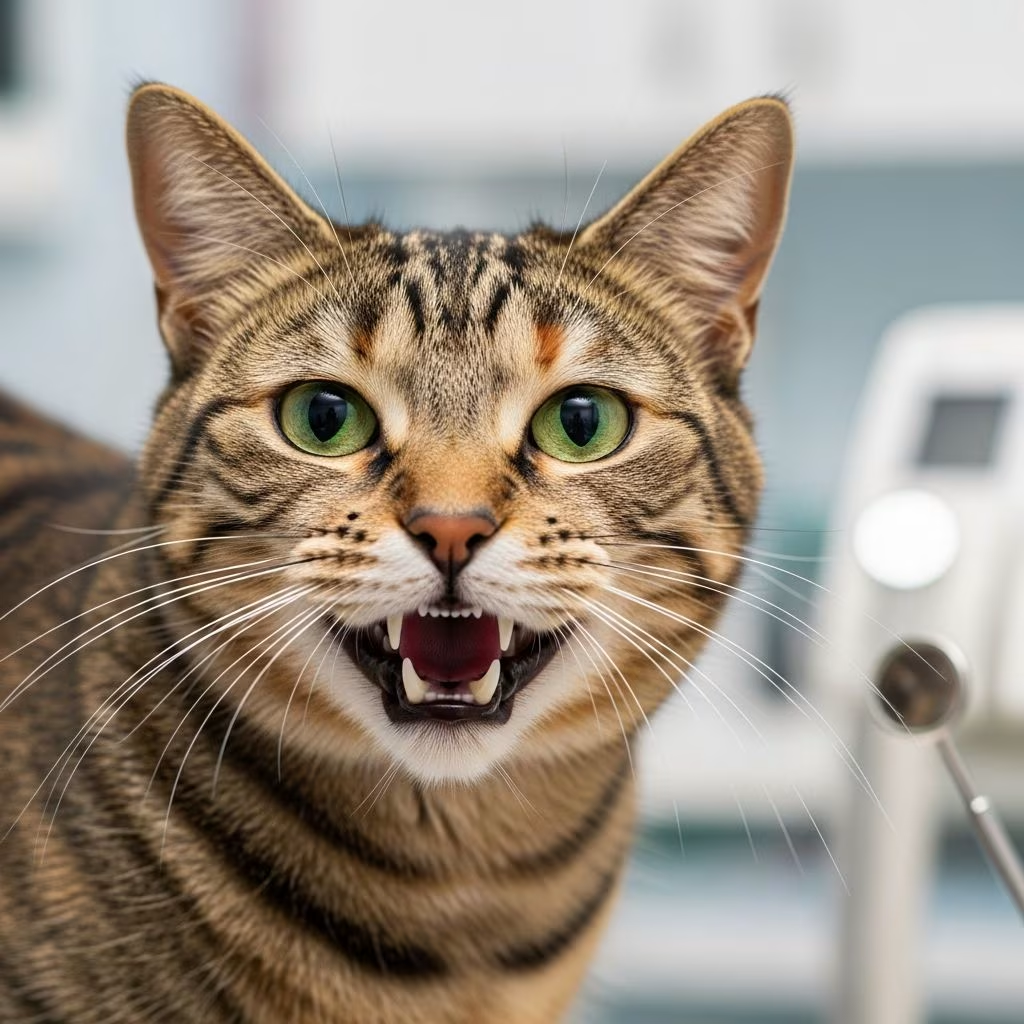
Maintaining optimal oral health in cats is essential for their overall well-being, as dental problems affect a significant number of felines and can lead to pain, infection, and broader health complications. By age three, most cats exhibit some degree of gingivitis or periodontal disease, underscoring the need for proactive care. This guide explores practical strategies for at-home dental maintenance, nutritional support, and professional interventions to help your cat avoid common oral issues.
Understanding Feline Dental Anatomy and Common Problems
Cats possess 30 adult teeth designed for tearing meat rather than chewing, which makes them prone to rapid plaque accumulation. Plaque, a sticky bacterial film, hardens into tartar if not removed, leading to gingivitis (gum inflammation) and advanced periodontal disease. Other prevalent conditions include tooth resorption (feline cavities), endodontic issues, chronic gingivostomatitis, and oral traumas. These problems often go unnoticed because cats instinctively hide pain, but signs like bad breath, drooling, pawing at the mouth, or difficulty eating signal trouble.
Periodontal disease progresses in stages: from plaque buildup to calculus formation, gum recession, and eventual tooth loss. Tooth resorption affects up to 75% of cats over time, causing enamel breakdown and sensitivity. Early detection through routine checks is vital, as untreated issues can spread bacteria systemically, impacting heart, liver, and kidney function.
Daily Brushing: The Foundation of Oral Hygiene
Brushing remains the most effective at-home method for plaque control, recommended daily or at least twice weekly for cats. Start young to acclimate kittens using a finger cot or gauze wrapped around your finger with cat-specific toothpaste flavored like poultry or fish—never human varieties due to toxic fluoride levels.
Step-by-Step Brushing Technique:
- Gently restrain your cat in a comfortable position, rewarding with treats.
- Apply a pea-sized amount of enzymatic toothpaste to a soft pet toothbrush or finger brush.
- Lift the lip to expose teeth, focusing on the outer surfaces in circular motions from gumline to tip.
- Massage gums post-brushing to boost circulation and healing.
- End with praise; sessions should last 30-60 seconds initially.
Cooperative care training enhances acceptance, with veterinary teams offering video resources for gradual habituation. Consistency prevents tartar buildup, reducing professional cleaning frequency.
Specialized Diets for Plaque Reduction
Dental-specific kibbles outperform wet foods in scrubbing teeth due to their crunchiness, though cats chew less than dogs. Look for Veterinary Oral Health Council (VOHC) approved formulas, which reduce plaque and tartar by at least 20% based on independent studies. Examples include Hill’s Prescription Diet t/d, Purina Veterinary Diets DH, and Royal Canin Dental Care, featuring textured kibbles that mechanically clean as cats bite.
| Product Example | Type | Key Benefit | VOHC Status |
|---|---|---|---|
| Purina Veterinary Diets DH Feline Formula | Diet | Plaque & Tartar Control | Approved |
| Hill’s Science Diet Oral Care | Diet | Calculus Reduction | Approved |
| Eukanuba Adult Diets (non-kitten) | Diet | Plaque Control | Approved |
| Friskies Feline Dental Diet | Diet | Tartar Reduction | Approved |
Transition gradually over 7-10 days to avoid digestive upset, and consult your vet for suitability, especially for cats with sensitivities.
Dental Treats and Chews: Tasty Oral Aids
Supplements like treats provide mechanical abrasion and enzymatic action against bacteria. VOHC-approved options such as Greenies Feline Dental Treats and CET Chews reduce plaque and gingivitis through crunching and oxidizing agents. Functional varieties contain enzymes targeting odor-causing microbes, improving breath—a common early disease indicator.
Types of Dental Treats:
- Crunchy Bites: Scrape surfaces during chewing.
- Chews: Promote prolonged gnawing for deeper cleaning.
- Enzyme-Infused: Disrupt bacterial films chemically.
Limit to 10% of daily calories to prevent obesity, using them post-meals or as rewards to reinforce hygiene habits.
Additional Home Care Products
Beyond brushing and treats, options include oral rinses, sprays, water additives, and wipes. Sprays deliver antiseptics daily without resistance, while additives with chlorhexidine combat bacteria in drinking water—monitor intake to ensure hydration. Gels and wipes suit non-cooperative cats, applied to gums for broad coverage. Always select VOHC or vet-recommended products containing safe ingredients like taurine, Vitamin E, and selenium for holistic benefits.
Recognizing Warning Signs and When to Seek Help
Monitor for halitosis, facial swelling, loose teeth, excessive salivation, or appetite changes. Annual oral exams for healthy cats or biannual for those with history suffice, per guidelines. Awake evaluations allow early intervention without anesthesia initially.
Professional cleanings under anesthesia remove subgingival tartar, with radiographs detecting hidden resorption or abscesses. The 2025 FelineVMA Guidelines emphasize evidence-based protocols for conditions like stomatitis, recommending extractions if needed.
Preventive Strategies for Lifelong Health
Integrate home care with vet partnerships: schedule reminders, follow tailored plans, and use diets/treats proactively. Early training fosters compliance, extending intervals between cleanings and minimizing pain.
Frequently Asked Questions
Can all cats tolerate tooth brushing?
Many resist initially, but kitten training and positive reinforcement yield high success rates. Use cooperative methods from FelineVMA resources.
Are dental diets safe long-term?
Yes, VOHC-approved ones are nutritionally complete; vet approval ensures fit for your cat’s needs.
How often should cats get professional dental care?
Annually for most, more frequently for advanced cases, per AAHA and FelineVMA standards.
Do water additives replace brushing?
No, they supplement; brushing is gold standard for plaque removal.
What if my cat has tooth resorption?
Vet evaluation with imaging; extractions often resolve pain.
References
- A Guide to At-Home Cat Dental Care — Montana Pet Dentist. Accessed 2026. https://montanapetdentist.com/a-guide-to-at-home-cat-dental-care/
- Guide to cat dental care — RSPCA Pet Insurance. 2019-02-28. https://www.rspcapetinsurance.org.au/pet-care/cat-care/guide-to-cat-dental-care
- 2025 FelineVMA feline oral health and dental care guidelines — PMC (PubMed Central). 2025. https://pmc.ncbi.nlm.nih.gov/articles/PMC12665832/
- Cat Dental Treats: A Guide to Choosing the Best for Your Feline — Houston Pet Dental. Accessed 2026. https://houstonpetdentals.com/blog/cat-dental-treats/
- Brushing Your Cat’s Teeth: A Step-By-Step Guide — Royal Canin US. Accessed 2026. https://www.royalcanin.com/us/cats/health-and-wellbeing/brushing-your-cats-teeth-a-step-by-step-guide
- New 2025 FelineVMA Guidelines Set the Standard for Oral Health — American Association of Feline Practitioners (via CatVets). Accessed 2026. https://catvets.com/news/oral-health-dental-care-guidelines/
- 2019 AAHA Dental Care Guidelines for Dogs and Cats — American Animal Hospital Association (AAHA). 2019. http://www.aaha.org/wp-content/uploads/globalassets/02-guidelines/dental/aaha_dental_guidelines.pdf



