

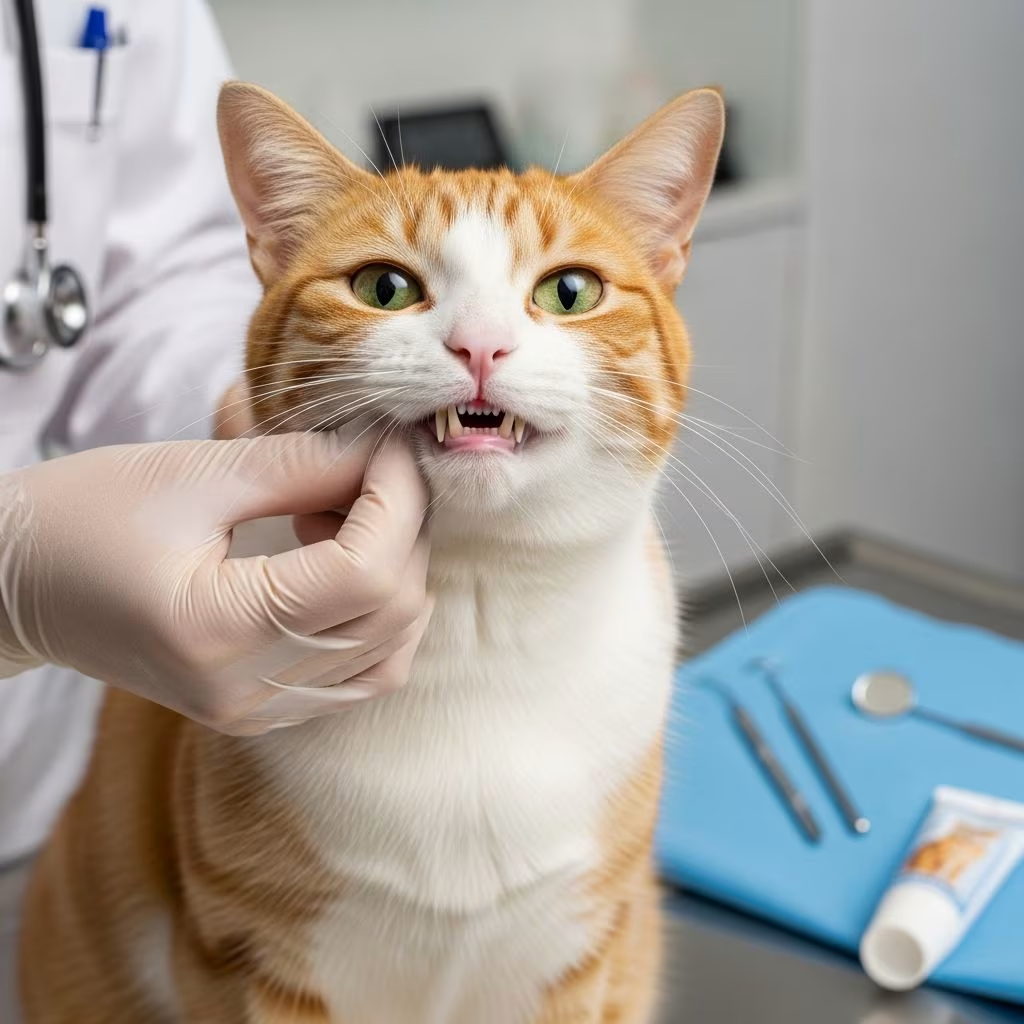
Maintaining proper dental hygiene is vital for cats, as oral health directly influences their overall well-being, eating habits, and quality of life. Dental problems are among the most frequent health concerns in felines, often leading to pain, infection, and nutritional challenges if overlooked. This guide delves into the primary dental conditions affecting cats, offering actionable advice on recognition, management, and prevention drawn from veterinary expertise.
Understanding the Scope of Feline Oral Issues
Cats frequently develop dental diseases due to plaque accumulation, genetic predispositions, and dietary factors. Unlike dogs, cats’ unique skull structure and grooming behaviors contribute to specific vulnerabilities. Periodontal conditions, resorption lesions, and inflammatory disorders top the list, impacting over half of adult cats. Early detection through routine exams can prevent escalation, emphasizing the role of owners in vigilant monitoring.
Regular veterinary visits, ideally biannually, allow for comprehensive oral assessments under anesthesia when needed, revealing hidden issues like subgingival lesions.
Periodontal Disease: The Silent Culprit
**Periodontal disease** stands as the leading oral affliction in cats, especially those aged three and older. It originates from bacterial plaque hardening into tartar, sparking gum inflammation known as gingivitis. If ignored, this advances to periodontitis, eroding supporting bone and ligaments, potentially causing tooth loss.
Symptoms manifest gradually:
- Halitosis or foul breath
- Red, inflamed, or bleeding gums
- Reluctance to eat hard food or pawing at the mouth
- Visible tartar buildup on teeth
- Protruding canines from bone loss
Progression leads to irreversible damage, with some cats showing signs as young as one year. Treatment under general anesthesia involves scaling, polishing, and possible extractions, followed by antibiotics and pain management.
Tooth Resorption Lesions in Cats
Feline odontoclastic resorptive lesions (FORLs), affecting over 50% of mature cats, involve the progressive breakdown of tooth structure, often starting below the gumline. These painful erosions mimic cavities but stem from odontoclast activity resorbing enamel, dentin, and roots.
Key indicators include:
- Tooth discoloration or pinkish holes at the gumline
- Excessive drooling or mouth bleeding
- Chewing difficulties and weight loss
- Fractured or chipped teeth
Diagnosis requires full-mouth radiographs to classify Type 1 (root intact) or Type 2 (root resorbed) lesions. Extraction is the definitive treatment, as restorations fail due to ongoing resorption. Post-procedure, cats adapt well without affected teeth.
Feline Chronic Gingivostomatitis: A Complex Challenge
This severe immune-mediated inflammation affects gums and oral mucosa, causing profound discomfort. Unlike simple gingivitis, it persists despite cleanings, linked to plaque, viruses, or allergies.
Owners notice:
- Profuse drooling and blood-tinged saliva
- Anorexia and rapid weight loss
- Facial swelling or ulcers
- Voice changes from pain
Management strategies include:
| Approach | Description | Success Rate |
|---|---|---|
| Medical Therapy | Anti-inflammatories, immunosuppressants, antibiotics | Low (20-30%) |
| Partial Extractions | Remove premolars/molars | Moderate (50-70%) |
| Full-Mouth Extraction | All teeth removed with alveoloplasty | High (80-95%) |
Full extractions often yield the best outcomes, with cats eating soft foods comfortably post-recovery.
Traumatic Dental Injuries and Fractures
Cats sustain tooth trauma from falls, fights, or chewing hard objects. Complicated crown fractures expose pulp, risking infection and abscesses.
Fracture classification and treatments:
| Type | Features | Treatment |
|---|---|---|
| Uncomplicated | Enamel/dentin only | Restoration or monitoring | Complicated Crown | Pulp exposure | Root canal or extraction |
| Root Involvement | Root fracture | Surgical extraction |
Prompt intervention prevents endodontic disease.
Oral Growths and Developmental Anomalies
Masses range from benign cysts to malignant tumors. Odontogenic tumors like feline inductive odontogenic tumor require biopsy and imaging for diagnosis. Signs include facial asymmetry, bleeding, or appetite changes.
Developmental issues, such as patellar fracture and dental anomaly syndrome, involve retained deciduous teeth and jaw infections, necessitating early surgical correction.
Prevention Strategies for Lifelong Oral Wellness
Proactive care minimizes risks:
- Daily Brushing: Use enzymatic toothpaste and cat-specific brushes, starting slowly.
- Dental Diets and Treats: Abrasive kibble and chews reduce plaque.
- Water Additives and Rinses: Antimicrobial solutions control bacteria.
- Professional Cleanings: Annual prophylaxis under anesthesia.
- Home Monitoring: Check for red flags monthly.
These habits, combined with vet dental charts tracking gingivitis and probing depths, ensure early intervention.
Diagnostic Tools in Feline Dentistry
Comprehensive exams involve:
- Conscious inspection for obvious issues
- Anesthetized probing and charting
- Intraoral radiographs for resorption and bone loss
- Dental explorers for subgingival defects
These confirm pathologies invisible to the naked eye.
FAQs on Cat Dental Health
What causes most cat dental problems?
Plaque and tartar buildup initiate gingivitis, progressing to severe disease without intervention.
Can cats live without teeth?
Yes, toothless cats thrive on softened foods, often showing improved appetite post-extractions for stomatitis.
How often should my cat see a vet for dental checks?
At least yearly, more frequently for seniors or at-risk breeds.
Is tooth resorption curable?
No, but extraction alleviates pain effectively.
Are dental diets sufficient alone?
They help but pair best with brushing and professional care.
Long-Term Management After Treatment
Post-procedure, monitor for complications like dry socket or infection. Pain meds, soft diets, and follow-ups aid recovery. Owners report enhanced vitality in cats with resolved dental pain, underscoring timely care’s value.
References
- Feline Dental Diseases – Apex Veterinary Specialists — Apex Veterinary Specialists. 2023. https://apexvetss.com/common-feline-dental-diseases-what-every-cat-owner-should-know/
- 2025 FelineVMA feline oral health and dental care guidelines — PMC (PubMed Central). 2025. https://pmc.ncbi.nlm.nih.gov/articles/PMC12665832/
- Dental Disorders of Cats – Cat Owners — Merck Veterinary Manual. 2024. https://www.merckvetmanual.com/cat-owners/digestive-disorders-of-cats/dental-disorders-of-cats
- A Cat Owner’s Guide to Feline Odontoclastic Resorptive Lesions — Star of Texas Veterinary Hospital. 2023. https://staroftexasvet.com/a-cat-owners-guide-to-feline-odontoclastic-resorptive-lesions/
- Feline Dental Disease — Cornell University College of Veterinary Medicine. 2024. https://www.vet.cornell.edu/departments-centers-and-institutes/cornell-feline-health-center/health-information/feline-health-topics/feline-dental-disease



