

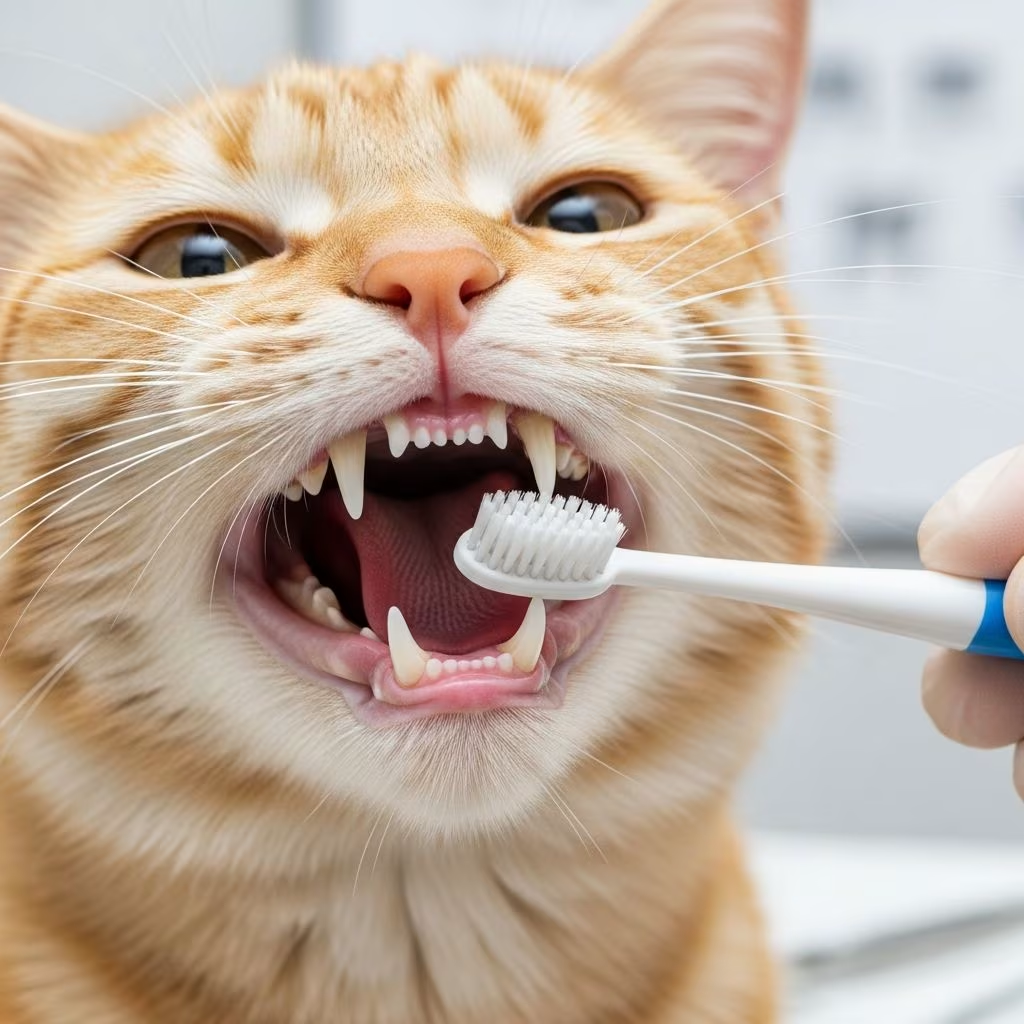
Healthy teeth and gums are vital for your cat’s overall well-being, influencing nutrition, comfort, and quality of life. By age four, 50-90% of cats experience some dental problems, making proactive care essential. This guide explores recognition of issues, home maintenance routines, supportive products, and professional interventions to safeguard your feline’s mouth.
Recognizing Oral Health Indicators in Cats
Observe your cat’s mouth regularly for signs of trouble. Clean, white teeth without chips and pink, lesion-free gums signal good health. Check for ulcers, swellings, or foreign objects like string in the back of the mouth. Bad breath, drooling, pawing at the face, or reluctance to eat hard food often indicate plaque buildup, gingivitis, or advanced periodontal disease.
Early detection prevents pain and costly treatments. Healthy gums show no redness, swelling, or bleeding, while teeth remain free of tartar, the hardened plaque layer forming below the gumline. If abnormalities appear, consult a veterinarian promptly to avoid tooth resorption or infections spreading systemically.
Why Feline Dental Wellness Matters
Dental neglect leads to bacteria accumulation, causing inflammation that progresses to bone loss and abscesses. Cats hide discomfort, so subtle changes like weight loss or altered grooming may signal chronic pain. Poor oral health impairs chewing, reducing nutrient intake and weakening immunity.
Maintaining oral hygiene supports longevity; studies link untreated dental disease to heart and kidney complications in pets. Annual exams catch hidden issues under anesthesia, where x-rays reveal subgingival problems invisible during routine checks.
Building an Effective At-Home Brushing Routine
Toothbrushing stands as the gold standard for plaque control, ideally daily or twice weekly. Start kittens early to build tolerance: massage muzzles front-to-back, mimicking natural rubbing, then progress to gauze-wrapped fingers flavored with tuna water.
- Use cat-specific tools: Finger cots, gauze, or soft rubber brushes designed for felines; avoid human floss due to ingestion risks.
- Choose safe toothpaste: Enzymatic, fluoride-free formulas in meat flavors like poultry or fish; human varieties contain toxic xylitol or fluoride.
- Technique: Cradle from behind, tilt head gently, lift chin, and brush outer surfaces along the gumline in circular motions.
Session duration varies; stop if stress builds, gradually covering all teeth over weeks. Consistency reduces tartar by 70% in accepting cats.
Enhancing Oral Hygiene with Diet and Nutrition
Specially formulated dental diets mechanically scrape plaque during chewing, with textures proven to reduce tartar. Veterinary brands like Purina DH feature fiber matrices targeting plaque and calculus.
Consult vets for prescriptions balancing nutrition while addressing dental needs. Transition slowly to avoid digestive upset, monitoring water intake as some cats resist flavor changes.
| Dental Diet Benefit | Example Product | Key Action |
|---|---|---|
| Reduces Plaque | Purina Veterinary Diets DH | Fiber scrubs teeth |
| Controls Tartar | VOHC-Approved Formulas | Hard kibble breaks buildup |
| Supports Gums | Omega-Rich Kibble | Anti-inflammatory nutrients |
Supportive Dental Treats and Chews
Daily treats complement brushing, with VOHC-approved options like Greenies or CET Chews oxidizing plaque and reducing gingivitis. Offer one per day, selecting sizes for your cat’s weight to prevent overfeeding.
- Greenies Feline: Proven plaque reduction in feeding trials.
- CET Enzymatic Chews: Natural antibacterial action.
- Benefits: Freshens breath, strengthens jaws, adds vitamins like taurine and E.
Combine with brushing for synergistic effects, but treats alone insufficiently control advanced disease.
Additional Products for Mouth Maintenance
Beyond basics, gels, sprays, rinses, and water additives target bacteria. Apply gels post-brushing for lingering protection; sprays deliver antiseptics daily. Oral rinses freshen and disinfect without brushing.
Water additives control plaque but test palatability to ensure hydration. Vet-recommended products containing chlorhexidine or enzymes prove most effective. Massage gums after treatments to boost circulation and healing.
Frequency and Customization of Professional Cleanings
Annual veterinary dentals under general anesthesia enable full scaling, polishing, and probing. X-rays detect resorption lesions affecting 20-60% of cats. Healthy cats need yearly; those with disease may require biannual.
Older cats often need more frequent care as disease progresses slowly subgingivally. Partner with vets for tailored plans, including extractions if needed.
Age-Specific Dental Strategies
Kittens and Young Cats
Establish habits early; milk teeth erupt by six weeks, permanent by six months. Weekly checks prevent early plaque.
Adults
Daily routines peak importance; monitor for first tartar signs around age three.
Seniors
Bi-annual cleanings common; soft diets aid chewing if mobility decreases.
Frequently Asked Questions
How often should I brush my cat’s teeth?
Daily is ideal, but 2-3 times weekly suffices for most; consistency prevents 70% of plaque.
Is anesthesia safe for cat dental cleanings?
Yes, modern protocols minimize risks; essential for thorough care below gumline.
What if my cat resists brushing?
Use treats, diets, or professional help; gradual desensitization works.
Can dental disease affect other organs?
Yes, bacteria can lead to heart/kidney issues; prevention vital.
Are dental treats enough alone?
No, best with brushing and vet care for comprehensive protection.
Creating a Comprehensive Oral Health Plan
Integrate brushing, diet, treats, and annual vet visits for optimal results. Track progress with photos; adjust based on exams. Educate family on routines to ensure compliance. Invest in quality tools from vets or trusted pet stores.
Proactive care transforms dental health from chore to rewarding bond-strengthener, yielding a pain-free, vibrant cat.
References
- Guide to cat dental care — RSPCA Pet Insurance. 2019-02-28. https://www.rspcapetinsurance.org.au/pet-care/cat-care/guide-to-cat-dental-care
- A Guide to At-Home Cat Dental Care — Montana Pet Dentist. N/A. https://montanapetdentist.com/a-guide-to-at-home-cat-dental-care/
- Complete Guide to Cat Dental Care — Hope Crossing Animal Hospital. 2022-04-30. https://www.hopecrossing.com/site/blog/2022/04/30/guide-cat-dental
- The Ultimate Guide to Pet Dental Health — Small Door Veterinary. N/A. https://www.smalldoorvet.com/learning-center/medical/the-ultimate-guide-to-pet-dental-health
- Dental Care for Cats — Animal Medical Center Gulf Coast. N/A. https://amcgulfcoast.com/dental-care-for-cats/
- 2019 AAHA Dental Care Guidelines for Dogs and Cats — American Animal Hospital Association. 2019. http://www.aaha.org/wp-content/uploads/globalassets/02-guidelines/dental/aaha_dental_guidelines.pdf
- Pet dental care — American Veterinary Medical Association. N/A. https://www.avma.org/resources-tools/pet-owners/petcare/pet-dental-care



