

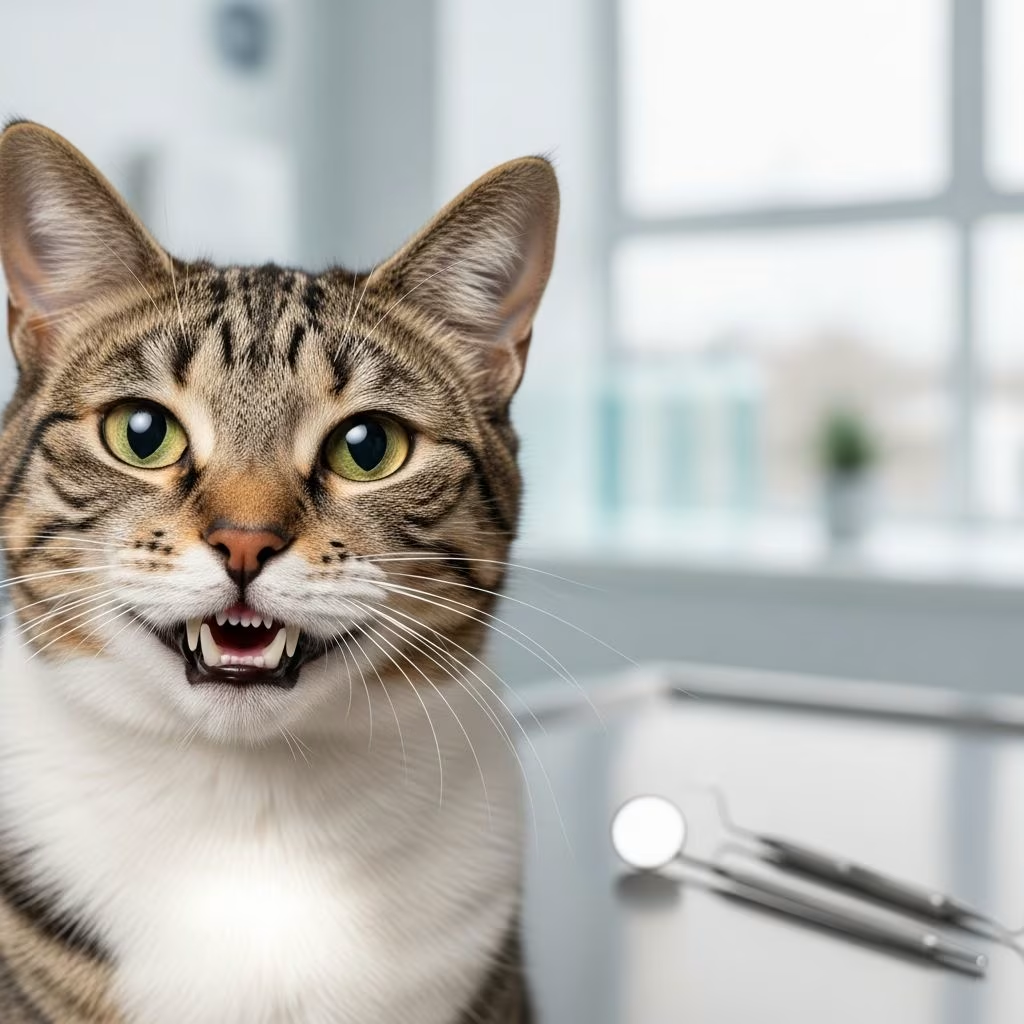
Healthy teeth and gums are crucial for your cat’s overall well-being, as poor oral hygiene can lead to pain, infections, and systemic health issues. This guide explores effective methods for maintaining feline oral health at home and through veterinary intervention, drawing on proven practices to help your cat thrive pain-free.
Understanding Feline Oral Anatomy and Common Problems
Cats possess 30 permanent teeth designed for tearing meat, differing from human dentition with sharp carnassial teeth for shearing. Plaque, a bacterial film, accumulates quickly on these surfaces, hardening into tartar within days if not addressed. This buildup irritates gums, causing gingivitis—inflammation marked by redness and swelling—and progresses to periodontitis, where supporting bone erodes, potentially leading to tooth loss.
Other prevalent issues include feline odontoclastic resorptive lesions (FORLs), akin to cavities, affecting up to 60% of cats over age three, and stomatitis, a severe inflammation causing drooling and appetite loss. Early detection through routine checks prevents these from escalating.
Signs Your Cat Needs Dental Attention
Monitor for behavioral changes like bad breath (halitosis), drooling, pawing at the mouth, or reluctance to eat hard food. Visible tartar—yellow-brown deposits—red or bleeding gums, loose teeth, or facial swelling signal trouble. Cats hide pain well, so subtle shifts in grooming or aggression warrant a vet visit.
- Halitosis: Persistent foul odor from bacterial overgrowth.
- Drooling or Pawing: Indicates discomfort or ulcers.
- Appetite Changes: Preference for soft foods due to pain.
- Weight Loss: From difficulty chewing, risking malnutrition.
Daily Brushing: The Foundation of Oral Care
Brushing removes plaque before it calcifies, ideally daily or at minimum three times weekly. Start kittens early for tolerance; adults require patience.
Gathering Supplies:
- Cat-specific toothbrush (soft-bristled or finger style).
- Enzymatic toothpaste flavored for cats (never human varieties, toxic due to fluoride and xylitol).
- Gauze pads or cotton swabs for beginners.
Step-by-Step Brushing Technique:
- Prepare: Let your cat sniff tools; rub tuna water on them for appeal.
- Position: Cradle from behind, tilting head gently to expose teeth.
- Massage Gums First: Use a clean finger to rub outer gumlines, building comfort.
- Brush: Apply pea-sized paste; use circular motions on outer surfaces from canine to molars. Skip inner sides initially.
- Reward: End positively with treats or play.
Sessions last 30-60 seconds; consistency trumps perfection. Wear gloves to minimize bacteria exposure and clean tools post-use.
Supplementary Tools and Treats for Enhanced Hygiene
Complement brushing with products targeting hard-to-reach areas.
| Product Type | Benefits | Usage Tips |
|---|---|---|
| Dental Treats (e.g., Greenies Feline) | Reduce plaque and tartar via chewing action | 1-2 daily, per weight guidelines |
| Chew Toys | Massage gums, scrape buildup | Supervised play; replace when worn |
| Water Additives | Kill bacteria enzymatically | Add to fresh water daily |
| Dental Diets (e.g., Purina DH) | Kibble scrubs teeth mechanically | Transition gradually; vet-approved |
Studies show dental treats like CET Chews decrease plaque via oxidizers, while textured kibble controls tartar. Rotate products to maintain interest.
Role of Diet in Preventing Dental Disease
A balanced diet supports enamel strength. Dry kibble with dental formulas abrades plaque during chewing, unlike soft foods that promote buildup. Omega-3 fatty acids reduce inflammation, and controlled minerals limit calculus formation. Avoid sugary treats; opt for vet-recommended lines proven to maintain oral health.
Feed consistently, avoiding table scraps that erode enamel or stick to teeth.
Professional Veterinary Dental Services
Annual exams are essential, even with home care, as vets detect subgingival issues via X-rays under anesthesia. Cleanings involve scaling tartar, polishing, and fluoride application. Frequency varies: healthy cats yearly; those with disease history, biannually.
AAHA guidelines emphasize full-mouth radiographs for thorough assessment, catching resorptions early. Costs range, but prevention saves on extractions later.
Age-Specific Dental Care Strategies
Kittens (0-6 Months): Deciduous teeth shed; introduce handling gently.
Adults (1-7 Years): Focus on plaque control; annual checks.
Seniors (8+ Years): Increased FORL risk; more frequent cleanings, soft diets if needed.
FAQs on Cat Dental Health
Can all cats be trained to accept brushing?
Most can with gradual introduction; persistence yields results even in adults.
Is human toothpaste safe for cats?
No—fluoride poisoning risks; use pet-only formulas.
How often are professional cleanings required?
Annually minimum; more for at-risk cats.
What if my cat resists dental care?
Use treats/toys as gateways; consult vets for sedation options if severe.
Do dental diets replace brushing?
No—best as adjuncts; brushing remains gold standard.
Long-Term Prevention Plan
Integrate weekly home inspections: lift lips, note abnormalities. Partner with your vet for tailored plans, including reminders. Track progress via photos. Consistent effort minimizes pain, extends life—healthy mouths mean happy cats.
References
- Guide to cat dental care — RSPCA Pet Insurance. 2019-02-28. https://www.rspcapetinsurance.org.au/pet-care/cat-care/guide-to-cat-dental-care
- Dental Care for Cats: How to Brush a Cat’s Teeth and Prevent Disease — ASPCA Pet Insurance. N/A. https://www.aspcapetinsurance.com/resources/dental-care-for-cats/
- A Guide to At-Home Cat Dental Care — Montana Pet Dentist. N/A. https://montanapetdentist.com/a-guide-to-at-home-cat-dental-care/
- Complete Guide to Cat Dental Care — Hope Crossing Animal Hospital. 2022-04-30. https://www.hopecrossing.com/site/blog/2022/04/30/guide-cat-dental
- 2019 AAHA Dental Care Guidelines for Dogs and Cats — American Animal Hospital Association. 2019. http://www.aaha.org/wp-content/uploads/globalassets/02-guidelines/dental/aaha_dental_guidelines.pdf
- Pet dental care — American Veterinary Medical Association. N/A. https://www.avma.org/resources-tools/pet-owners/petcare/pet-dental-care



