

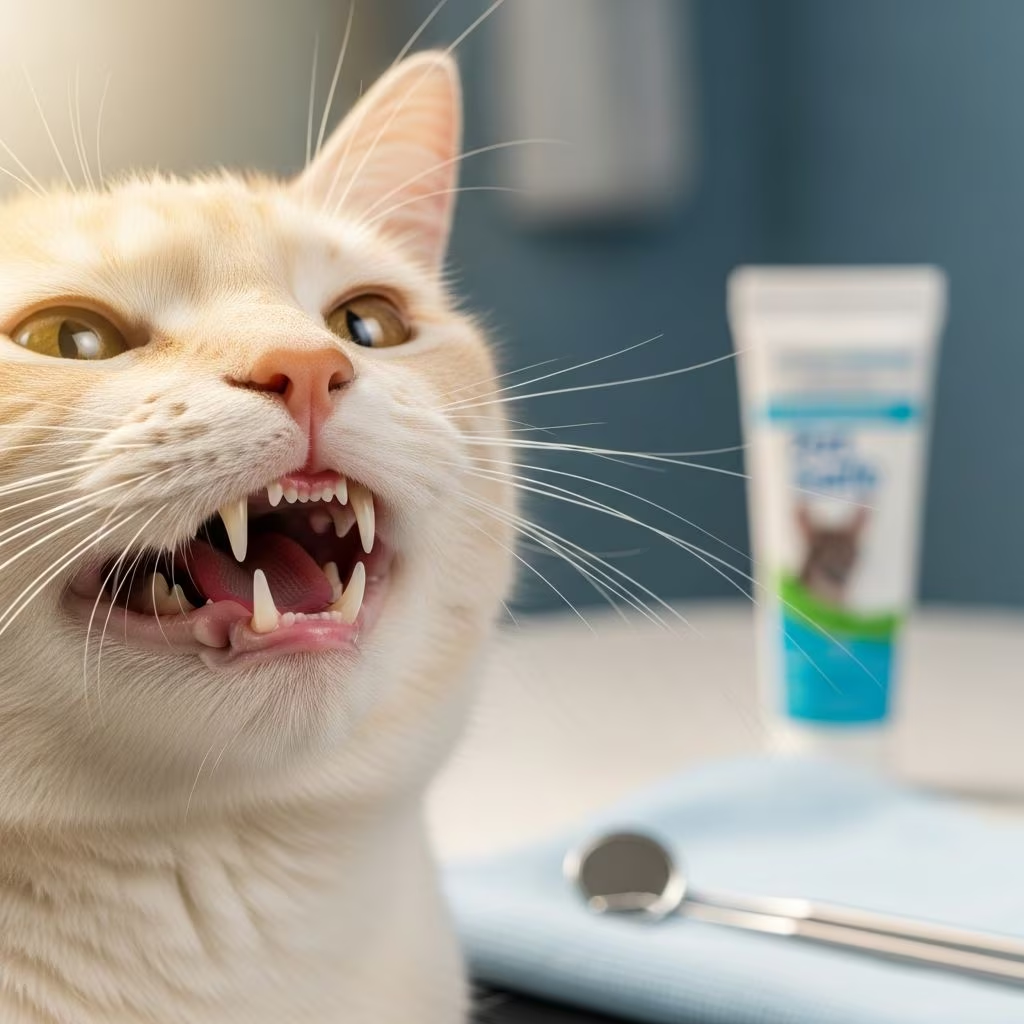
Healthy teeth and gums are vital for your cat’s overall well-being, influencing their ability to eat, play, and thrive. Neglecting oral care can lead to painful conditions that affect quality of life, yet simple daily habits can make a significant difference. This guide explores practical steps for maintaining your cat’s dental health at home and through veterinary support.
Understanding Feline Oral Anatomy and Common Problems
Cats possess 30 permanent teeth designed for tearing meat, with sharp carnassial teeth for shearing and molars for grinding. Unlike humans, their dental structure supports a carnivorous diet, but plaque—a sticky bacterial film—builds up quickly if not managed. By age four, 50-90% of cats develop some dental disease, primarily periodontal issues where bacteria erode gums and bone.
Key problems include:
- Gingivitis: Inflammation of gums, often the first sign, appearing as red, swollen tissues.
- Periodontitis: Advanced stage with pocket formation between teeth and gums, leading to bone loss and tooth mobility.
- Tooth Resorption: Feline cavities where enamel erodes, causing pain and fractures.
- Stomatitis: Severe inflammation of the mouth lining, sometimes requiring tooth extraction.
These issues often progress silently under the gumline, making regular checks essential. Healthy teeth appear white and chip-free, with pink, firm gums free of bleeding or sores.
Recognizing Early Warning Signs of Dental Distress
Spotting trouble early prevents escalation. Watch for:
- Bad breath (halitosis), a primary indicator of bacterial overgrowth.
- Excessive drooling or pawing at the mouth.
- Difficulty eating, dropping food, or favoring one side.
- Visible tartar buildup (yellow-brown on teeth) or loose teeth.
- Weight loss, lethargy, or behavioral changes from chronic pain.
Inspect weekly by gently lifting lips: check for redness, swelling, ulcers, or foreign objects like string. Prompt veterinary evaluation is crucial for abnormalities.
Building a Daily Brushing Routine for Optimal Results
Toothbrushing stands as the gold standard for plaque control, reducing bacteria when done daily or at least twice weekly. Start young—kittens adapt best. Human toothpaste is toxic due to fluoride; always use cat-specific enzymatic formulas flavored like poultry or fish.
Step-by-Step Brushing Guide:
- Prepare tools: Cat toothbrush (soft dual-ended or finger brush), enzymatic toothpaste, and treats for rewards.
- Desensitize gradually: Massage muzzle sides to mimic rubbing behavior, then rub gums with a tuna-flavored finger cot or gauze.
- Position comfortably: Cradle from behind, tilt head slightly, lift chin to expose teeth.
- Brush effectively: Focus on outer surfaces, gumline angles (45-degree angle), using short strokes. Skip inner surfaces if resisted.
- Reward immediately: End positively to build tolerance.
Full sessions may take weeks; start with 30 seconds, expanding as tolerated. Avoid floss—swallowing risks intestinal blockage.
Supporting Oral Health Through Diet and Nutrition
Specially formulated dental diets mechanically scrape plaque via kibble texture, containing agents like polyphosphates to bind minerals preventing tartar. Veterinary diets such as Purina Veterinary Diets DH Dental Health Feline Formula target plaque reduction.
| Dental Diet Benefits | Key Features | Suitable For |
|---|---|---|
| Kibble Textured Formulas | Crunchy texture scrubs teeth; tartar-control additives | All adult cats |
| Wet Food Additives | Enzymes reduce bacteria; softer for seniors | Cats with chewing issues |
| Prescription Diets | Clinically proven plaque/tartar reduction | Cats with early disease |
Transition gradually over 7-10 days to avoid digestive upset. Combine with brushing for best outcomes.
Chews, Treats, and Additives: Convenient Supplements
When brushing proves challenging, alternatives help:
- Dental Treats: Greenies Feline or CET Chews use oxidizing agents and abrasives to cut plaque and gingivitis.
- Oral Sprays/Gels: Daily sprays deliver antiseptics directly, controlling bacteria without brushing.
- Water Additives: Enzyme-based solutions inhibit plaque; monitor intake to ensure cats drink adequately.
- Gum Massage: Post-brushing, gently rub gums to boost circulation and healing.
These provide vitamins like taurine and E, plus antiseptics for comprehensive mouth care. Vet recommendations ensure compatibility.
The Critical Role of Professional Veterinary Dental Care
Home efforts complement but don’t replace annual exams. Professional cleanings under anesthesia allow full-mouth assessment, scaling, polishing, and X-rays to detect subgingival disease. Frequency varies:
- Healthy cats: Yearly.
- Early disease or resorption history: Annually.
- Advanced cases: Biyearly.
Older cats often require more frequent interventions as disease progresses slowly. Vets may extract irreparable teeth; felines adapt well post-procedure.
Age-Specific Dental Care Strategies
Kittens/Puppies: Milk teeth emerge at 2-6 weeks; permanent by 6 months. Introduce brushing early.
Adults (1-7 years): Focus on prevention; monitor for plaque onset.
Seniors (8+ years): Heightened risk—soft foods, frequent checks, pain management.
FAQs on Cat Dental Health
Q: How often should I brush my cat’s teeth?
A: Ideally daily, minimum 2-3 times weekly for plaque control.
Q: Can cats get cavities like humans?
A: Not exactly—tooth resorption mimics cavities, affecting up to 75% of cats.
Q: Is anesthesia safe for dental cleanings?
A: Modern protocols minimize risks; pre-op bloodwork ensures safety.
Q: What if my cat resists all home care?
A: Prioritize professional cleanings and vet-recommended products.
Q: Does dry food alone prevent dental issues?
A: No—standard kibble lacks dental-specific textures; choose targeted formulas.
Long-Term Plan for Lifelong Oral Wellness
Integrate home care with vet visits: weekly inspections, daily brushing/treats, annual cleanings. Track progress with photos. Early intervention averts costly treatments and pain, promoting a vibrant life.
References
- Guide to cat dental care — RSPCA Pet Insurance. 2019-02-28. https://www.rspcapetinsurance.org.au/pet-care/cat-care/guide-to-cat-dental-care
- A Guide to At-Home Cat Dental Care — Montana Pet Dentist. N/A. https://montanapetdentist.com/a-guide-to-at-home-cat-dental-care/
- Complete Guide to Cat Dental Care — Hope Crossing Animal Hospital. 2022-04-30. https://www.hopecrossing.com/site/blog/2022/04/30/guide-cat-dental
- Dental Care for Cats — Animal Medical Center Gulf Coast. N/A. https://amcgulfcoast.com/dental-care-for-cats/
- 2019 AAHA Dental Care Guidelines for Dogs and Cats — American Animal Hospital Association. 2019. http://www.aaha.org/wp-content/uploads/globalassets/02-guidelines/dental/aaha_dental_guidelines.pdf
- Pet dental care — American Veterinary Medical Association. N/A. https://www.avma.org/resources-tools/pet-owners/petcare/pet-dental-care



