
Cat Dental Cleanings: Why Anesthesia Matters
Discover why professional dental cleanings under anesthesia are vital for your cat's oral health and overall well-being, outweighing minimal risks.
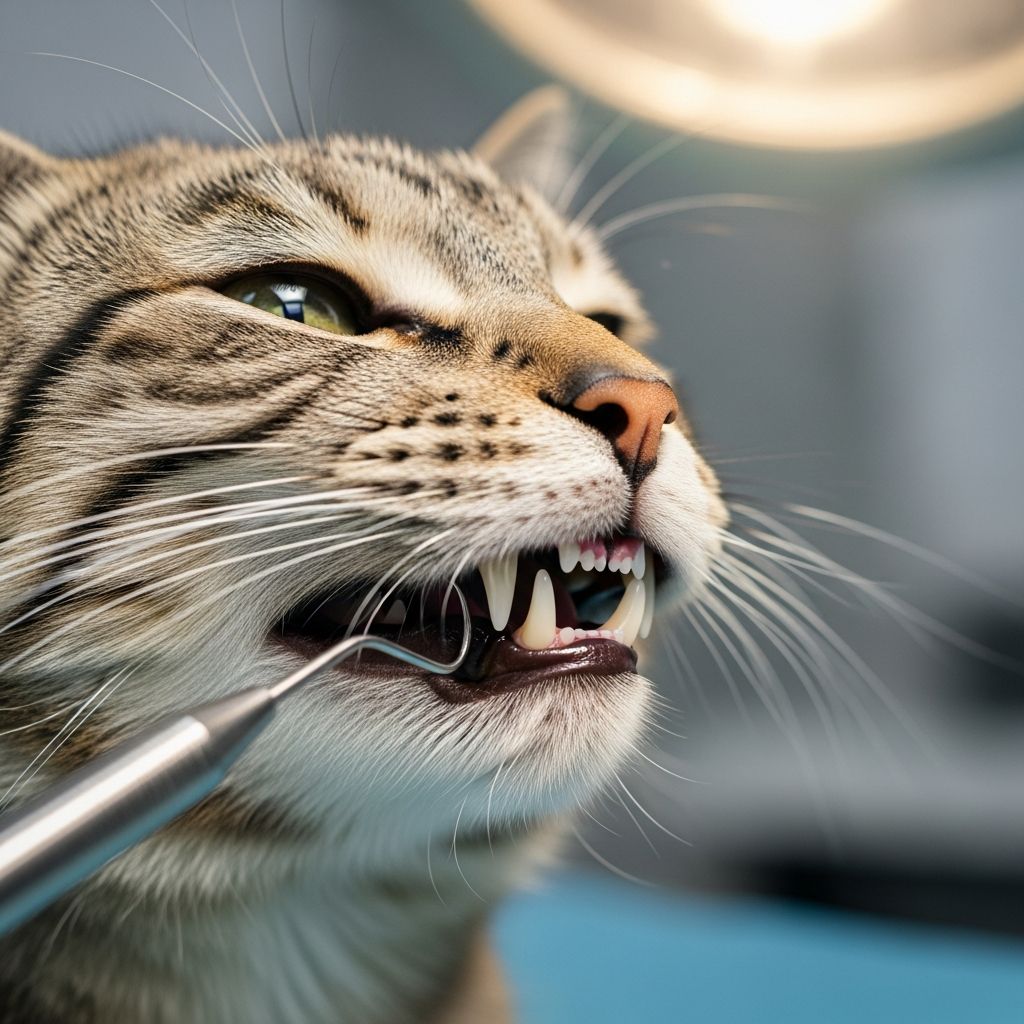
Professional dental cleanings under general anesthesia are crucial for cats to achieve complete oral health assessment and treatment. Without it, hidden dental issues remain untreated, leading to pain and broader health complications.
The Hidden Dangers of Feline Dental Disease
Cats frequently suffer from periodontal disease, the most common oral condition affecting over 70% of pets by age three. Bacteria accumulate below the gumline, causing inflammation, bone loss, and tooth mobility. This not only results in chronic pain but also allows bacteria to enter the bloodstream, potentially damaging the heart, kidneys, and liver.
Symptoms often go unnoticed: bad breath, drooling, pawing at the mouth, or reluctance to eat. Advanced cases lead to abscesses, fractured teeth, and systemic infections. Untreated, these conditions shorten lifespan by years, far exceeding anesthesia risks.
- Plaque and tartar buildup: Forms within days, hardening into calculus that harbors bacteria.
- Gingivitis progression: Leads to periodontitis, eroding supporting structures.
- Systemic links: Associated with endocarditis and renal failure in cats.
Why General Anesthesia is Non-Negotiable for Effective Cleanings
A comprehensive dental procedure demands precision and access impossible in a conscious cat. Under anesthesia, veterinarians perform full-mouth scaling, probing, polishing, and radiographs—revealing issues in over 60% of teeth below the surface.
Key steps include:
- Supragingival and subgingival scaling to remove all deposits.
- Dental X-rays for root evaluation and bone density checks.
- Treatment of resorption lesions, extractions, or restorations.
Conscious cats resist tools, suffer pain, and risk injury from movement. Anesthesia ensures immobility, pain control, and thorough diagnostics.
Safety Protocols: Making Anesthesia Low-Risk for Cats
Modern veterinary anesthesia boasts a mortality rate of just 0.24% in cats, dropping to 0.11% for healthy individuals. Risks are minimized through rigorous preparation.
Pre-procedure evaluation includes:
| Assessment | Purpose |
|---|---|
| Bloodwork | Checks organ function, hydration, anemia. |
| Physical exam | Identifies heart, lung, or metabolic issues. |
| ECG if needed | Detects cardiac anomalies. |
| IV catheter | Allows fluid therapy and rapid drug delivery. |
During the procedure, continuous monitoring tracks heart rate, blood pressure, oxygen levels, temperature, and CO2. Inhalant anesthetics are tailored, with local blocks reducing overall drug needs.
Post-anesthesia recovery involves warming, pain management, and observation to prevent complications like hypothermia or aspiration.
The Pitfalls of Anesthesia-Free Dental Options
Anesthesia-free “cleanings”—often marketed as safer—fail to address root causes. They only scrape visible surfaces, ignoring subgingival disease where bacteria thrive.
Drawbacks include:
- Incomplete cleaning: Leaves 80% of plaque intact.
- No diagnostics: Misses fractures, abscesses, or bone loss.
- Stress and injury: Restraint causes anxiety; tools risk cuts or eye trauma.
- False security: White enamel hides progressing periodontitis.
The American Animal Hospital Association (AAHA) and American Veterinary Dental College (AVDC) deem these inadequate, potentially accelerating disease.
Long-Term Benefits: Investing in Your Cat’s Future
Regular anesthetized cleanings, ideally annually after age two, prevent pain, tooth loss, and costly treatments. They improve appetite, grooming, and quality of life while averting systemic diseases.
Studies show treated cats live longer, healthier lives. Costs pale against emergency surgeries for abscesses or organ failure.
Preparing Your Cat for a Dental Procedure
Choose a vet experienced in feline dentistry. Discuss history, fast appropriately (water until morning), and plan for a quiet recovery space.
Post-care: Soft food, dental diets, brushing, and supplements maintain gains between visits.
Frequently Asked Questions (FAQs)
Is anesthesia safe for senior cats?
Yes, with pre-anesthetic screening. Older cats benefit most, as dental pain exacerbates age-related decline.
How often should my cat get dental cleanings?
Every 6-12 months, based on exam findings and home care.
What if my cat has health issues?
Vets customize protocols; risks are assessed individually.
Can I do dental care at home?
Brushing and chews help but can’t replace professional scaling.
What’s the recovery like?
Most cats resume normal activity within 24 hours, with pain meds provided.
Conclusion: Prioritize Professional Care
Opting for anesthetized dental cleanings safeguards your cat from silent suffering and life-shortening diseases. Consult your vet to schedule—your feline friend’s health depends on it.
References
- Are Anesthetic Teeth Cleanings Safe for Cats? — Apex Veterinary Specialists. 2023-10-13. https://apexvetss.com/are-anesthetic-teeth-cleanings-safe-for-cats/
- Are Pet Dental Cleanings with Anesthesia Safe? — Animal Dental AZ. 2024. https://animaldentalaz.com/pet-dental-cleanings-anesthesia-safety/
- Risks & Benefits of Dental Cleaning for Cats — YouTube (Animal Hospital – Statesville). 2011. https://www.youtube.com/watch?v=U75BPDMnI0A
- Perioperative anaesthetic care of the cat undergoing dental and oral procedures — PMC (National Library of Medicine). 2024. https://pmc.ncbi.nlm.nih.gov/articles/PMC11383099/
- Are Anesthesia-Free Pet Dentals Safe? — Case Veterinary Hospital. 2023. https://www.casevet.com/services/other/blog/anesthesia-free-pet-dental-riskier-you-think
- Risks of Anesthesia-Free Dental Procedures — VCA Animal Hospitals. 2024. https://vcahospitals.com/know-your-pet/risks-of-anesthesia-free-dental-procedures
- Risks of Anesthesia Free Pet Dental Cleanings — AVDC. 2023. https://afd.avdc.org/risks-of-anesthesia-free-pet-dental-cleanings/
Similar Articles








Read full bio of medha deb