

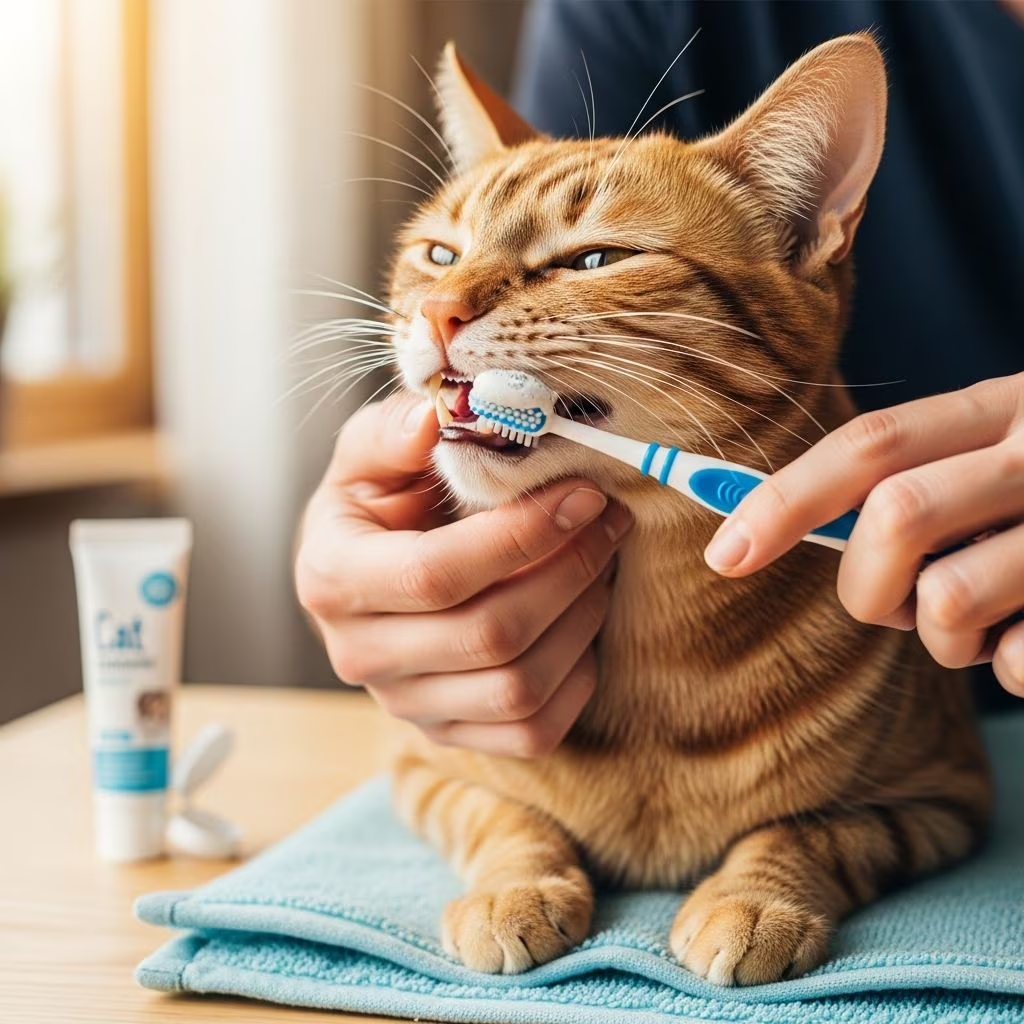
Regular tooth brushing stands as the cornerstone of effective feline oral hygiene, directly combating plaque and tartar accumulation that lead to painful dental conditions. Veterinary professionals universally endorse this practice to safeguard cats from gum disease and related systemic health risks.
The Critical Role of Oral Hygiene in Cats
Cats, much like humans, face significant threats from poor dental health. Plaque, a bacterial film, hardens into tartar if not addressed, fostering gingivitis and advanced periodontal disease. These issues not only cause discomfort but can also permit bacteria to enter the bloodstream, potentially affecting organs such as the heart, kidneys, and liver. Daily brushing emerges as the superior method for prevention, far outperforming sporadic efforts.
Statistics from veterinary observations reveal that up to 70% of cats over age three exhibit dental problems, underscoring the need for proactive care. Brushing disrupts plaque formation at its source, promoting fresher breath and overall vitality while reducing the necessity for costly professional interventions.
Why Veterinarians Insist on Daily Brushing
Experts from institutions like VCA Animal Hospitals emphasize that brushing three times weekly serves as a minimum, with daily sessions yielding optimal results. This frequency mirrors human dental recommendations, ensuring plaque removal before it mineralizes. Parker Animal Care notes that veterinarians witness daily cases of untreated dental woes, reinforcing brushing as a frontline defense.
- Removes plaque effectively, preventing tartar.
- Lowers risks of gum inflammation and tooth loss.
- Enhances systemic health by curbing bacterial spread.
- Proves more economical than treating advanced diseases.
Essential Tools for Feline Tooth Brushing
Selecting appropriate equipment ensures safety and efficacy. Human toothpaste contains toxic ingredients like xylitol and fluoride, making pet-specific formulations mandatory. These come in enticing flavors such as poultry or fish to encourage acceptance.
| Tool Type | Description | Best For |
|---|---|---|
| Soft-Bristled Brush | Small-headed nylon or silicone brush designed for cats | Precise cleaning of outer tooth surfaces |
| Finger Brush | Slips over finger with soft bristles | Beginners or resistant cats |
| Gauze Pads | Cotton wraps applied to finger | Gentle massage and gel application |
| Enzymatic Toothpaste | Non-foaming, pet-safe with plaque-fighting enzymes | All cats, flavor variety available |
Replace brushes every three months to maintain hygiene, and dedicate one per cat in multi-pet homes. Look for products endorsed by the Veterinary Oral Health Council (VOHC) for proven efficacy.
Step-by-Step Guide to Introducing Brushing
Patience forms the foundation of success, particularly with adult cats. Begin during kittenhood for easiest adoption, though older felines can adapt with gradual exposure.
- Familiarize with Taste: Offer a dab of enzymatic toothpaste on your finger. Allow licking to associate it with positivity. Repeat daily until enthusiastic.
- Gum Massage: Gently rub gums with clean finger or gauze, praising throughout. Sessions last 10-20 seconds.
- Introduce Tool: Let cat sniff and lick toothpaste from brush. Progress to light touching on lips.
- First Brush: Apply paste to brush, lift lips, and stroke outer canines and molars in circular motions at a 45-degree angle. Keep mouth closed; focus on plaque-prone exteriors.
- Expand Coverage: Over days, include more teeth, aiming for 30 seconds per side.
WellPets advises starting with front teeth, expanding rearward as tolerance builds. Always end with rewards like treats or play to reinforce the routine.
Techniques for a Stress-Free Experience
Positioning matters: Hold cat securely on a non-slip surface, perhaps your lap, speaking softly. Approach from the side to avoid startling. For squirmy cats, wrap in a towel, exposing only the head—a technique dubbed the “purrito.”
Key motions include small circles along the gumline, prioritizing cheek teeth and canines where buildup peaks. Neglect inner surfaces, as the cat’s tongue naturally cleans them. Sessions under 30 seconds prevent overwhelm; frequency trumps duration.
Pro Tips for Success
- Use soothing tones and dim lighting.
- Brush post-meal when calm.
- Track progress in a journal.
- Enlist a helper for wriggly cats.
Frequency and Realistic Expectations
Ideal: Daily brushing for maximal protection. Minimum: Every other day or thrice weekly. Weekly efforts yield negligible benefits, akin to skipping entirely. Consistency builds habit; even partial brushing outperforms none.
Monitor for signs of acceptance: Relaxed body, purring, or voluntary lip lifting signal mastery. If resistance persists after weeks, consult your vet for alternatives.
Complementary Dental Maintenance Strategies
Brushing pairs powerfully with adjuncts for comprehensive care.
- Dental Diets: VOHC-approved kibble scrubs teeth during chewing.
- Treats and Chews: Textured options mechanically reduce plaque.
- Wipes and Gels: Enzyme-based for quick application.
- Water Additives: Inhibit bacterial growth.
- Professional Cleanings: Annual vet exams under anesthesia remove subgingival tartar.
Combine for layered defense; no single method suffices alone.
Recognizing and Addressing Dental Distress
Early detection averts escalation. Watch for halitosis, drooling, pawing at mouth, appetite loss, or facial swelling. These warrant immediate veterinary attention, potentially revealing resorptive lesions or abscesses common in felines.
Routine check-ups integrate oral exams; gingivitis prompts professional scaling. Home care significantly delays such needs.
Common Challenges and Solutions
| Challenge | Solution |
|---|---|
| Aggression or Flight | Shorten sessions, increase rewards, try finger brush |
| Refusal of Paste | Flavor switch or gel-only start |
| Hard-to-Reach Teeth | Focus on accessibles; use angled brushes |
| Multi-Cat Home | Separate tools, individual routines |
Frequently Asked Questions
Can all cats learn to tolerate brushing?
Yes, with patience; kittens adapt quickest, adults may need weeks.
Is human toothpaste safe?
No—toxic to cats. Use enzymatic pet formulas exclusively.
How long until I see results?
Breath improves in days; plaque reduction in weeks with consistency.
What if brushing proves impossible?
Opt for treats, diets, or vet cleanings as backups.
Does brushing replace vet visits?
No—annual professional exams remain essential.
Safeguarding Yourself During Care
Cat mouths harbor bacteria; wear gloves if feasible, wash hands rigorously post-session, and rinse tools thoroughly. This prevents zoonotic transmission.
In summary, committing to tooth brushing revolutionizes your cat’s health trajectory, averting pain and expense while deepening your bond through trusted routines.
References
- Do Vets Really Recommend Brushing Cats Teeth? The Answer is a Resounding Yes! — Parker Animal Care. 2023. https://www.parkeranimalcare.com/do-vets-really-recommend-brushing-cats-teeth-the-answer-is-a-resounding-yes/
- The Importance of Brushing Your Cat’s Teeth — WellPets. 2023. https://www.wellpets.com/blog/194-brushing-cat-teeth/
- How to Brush a Cat’s Teeth: 7 Tips for a Positive Experience — CareCredit Well-U. 2023. https://www.carecredit.com/well-u/pet-care/how-to-brush-cat-teeth/
- Brushing Your Cat’s Teeth — VCA Animal Hospitals. 2024. https://vcahospitals.com/know-your-pet/brushing-teeth-in-cats
- The Importance of Brushing Your Dog’s and Cat’s Teeth — Tribeca Vet Dentistry. 2023. https://www.tribecavetdentistry.com/post/the-importance-of-brushing-your-dog-s-and-cat-s-teeth-a-guide-to-keeping-your-pets-smiles-healthy



