

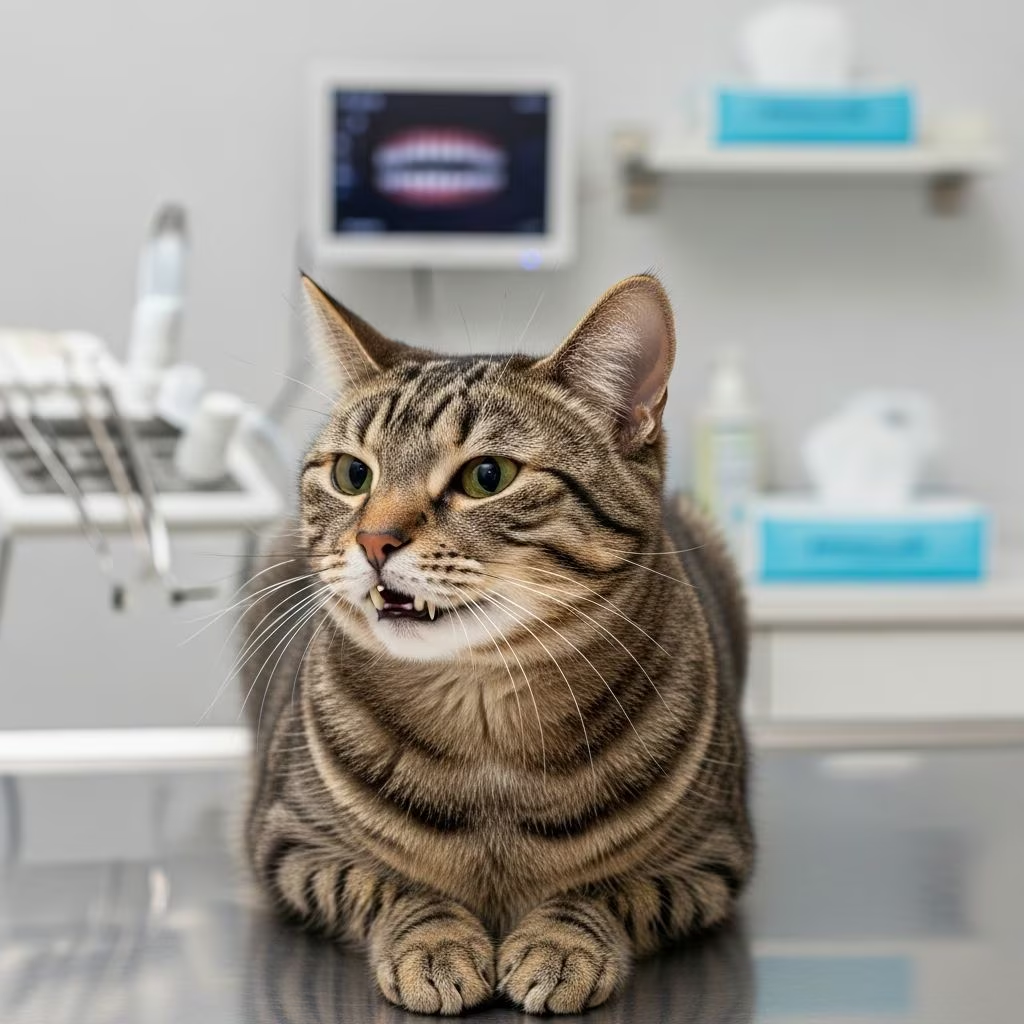
Professional dental cleanings for cats play a crucial role in preventing widespread oral health problems that affect most felines over age four. These procedures remove harmful buildup and detect issues early, promoting overall wellness despite associated challenges like anesthesia and expense.
The Critical Role of Oral Hygiene in Feline Health
Cats rely on their mouths for eating, grooming, and exploring, making dental health foundational to their quality of life. Plaque, a sticky bacterial film, hardens into tartar within days, leading to gingivitis and advanced periodontal disease if ignored. This condition inflames gums, erodes tooth support structures, and can cause tooth resorption where the body dissolves dental tissues.
Untreated dental woes silently cause chronic pain, altering eating habits, leading to weight loss, and fostering infections that spread via bloodstream to organs like the heart, liver, and kidneys. Cats mask discomfort adeptly, so owners often miss signs until problems escalate, underscoring the need for proactive care.
Recognizing Signs Your Cat Needs Dental Attention
Early detection hinges on spotting subtle indicators. Common symptoms include:
- Persistent foul breath from bacterial overgrowth
- Visible tartar as yellow-brown deposits on teeth
- Red, swollen, or bleeding gums
- Excessive drooling or pawing at the mouth
- Difficulty chewing, food dropping, or selective eating
- Missing teeth or facial swelling
- Reluctance to have the mouth touched
- Unexplained weight loss or behavioral changes
Even asymptomatic cats benefit from checkups, as hidden issues lurk beneath the surface.
Advantages of Professional Cat Dental Cleanings
Veterinary dental procedures offer unmatched thoroughness under anesthesia, accessing areas home care misses. Key benefits include:
- Disease Prevention: Removes plaque and tartar, halting gingivitis progression to periodontal disease.
- Early Issue Detection: X-rays reveal hidden abscesses, fractures, or resorptions for timely intervention.
- Pain Relief and Comfort: Eliminates sources of chronic discomfort, restoring normal eating and grooming.
- Systemic Health Protection: Curbs bacterial spread, safeguarding heart, liver, and kidney function.
- Fresher Breath: Clears odor-causing debris for a noticeably cleaner mouth.
- Longevity Boost: Regular care extends lifespan by averting complications that shorten life expectancy.
These cleanings enhance daily vitality, with cats displaying increased activity and appetite post-procedure.
How a Typical Cat Dental Cleaning Unfolds
Preparation starts with pre-anesthetic bloodwork and health screening to minimize risks, especially for seniors or those with conditions like kidney disease. Under general anesthesia, vets perform:
- Full-mouth X-rays to inspect roots and bones.
- Scaling above and below gum lines to eradicate tartar.
- Polishing to smooth enamel and deter future buildup.
- Fluoride application for enamel fortification.
- Extractions or treatments for damaged teeth as needed.
Most cats recover same-day, groggy but safe, with modern monitoring keeping complications rare.
Potential Downsides and Risks to Consider
While highly effective, cleanings aren’t risk-free. Primary concerns are:
| Concern | Description | Mitigation |
|---|---|---|
| Anesthesia Risks | Rare adverse reactions, heightened in cats with heart/kidney issues; mortality around 0.1% with normal pre-op checks. | Pre-screening bloodwork, ECG, continuous monitoring. |
| Cost | Ranges from hundreds to thousands based on location, cat’s age/health, extras like extractions. | Pet insurance coverage; preventive home care to reduce frequency. |
| Recovery | Post-op grogginess, soft food diet temporarily; rare extended care needs. | Follow vet instructions closely. |
Anesthesia risks pale against periodontal disease’s life-shortening effects, but informed discussions with vets are essential.
Complementing Professional Care with At-Home Strategies
Daily brushing with feline-specific toothpaste prevents 70-80% of tartar, lessening cleaning frequency. Use soft brushes or finger cots, introducing gradually with praise. Avoid human toothpaste due to toxicity.
Additional aids:
- Dental diets that mechanically scrub teeth.
- Chew treats and toys certified for plaque reduction.
- Water additives with enzymes to dissolve plaque.
- Regular vet oral exams during checkups.
Combine these for optimal results, starting young—even kittens may need early cleanings.
Cost Analysis: Investing in Prevention
Initial cleanings cost $300-$1,200+, but prevent pricier interventions like multiple extractions ($50-300/tooth) or systemic treatments. Long-term, biannual home care plus annual pro cleanings prove economical, often insurance-reimbursable.
When to Schedule Your Cat’s First Cleaning
Begin exams at age one, with cleanings as needed. Adults over three average stage 2+ disease; seniors require annual attention. Consult vets for personalized timelines based on breed, diet, and symptoms.
FAQs on Cat Dental Care
Is anesthesia always necessary for cat teeth cleaning?
Yes, for comprehensive care including X-rays and sub-gingival scaling; risks are minimal with proper protocols.
How often should my cat get professional cleanings?
Typically yearly or biannually, depending on home care efficacy and disease stage.
Can I clean my cat’s teeth without a vet?
Home brushing helps but can’t replace pro removal of hardened tartar.
What if my cat resists tooth brushing?
Start slow with flavors they like, use treats; alternatives like chews assist.
Does dental insurance cover cat cleanings?
Many plans do, especially with wellness add-ons; check policies.
Empowering Your Cat’s Oral Health Journey
Balancing professional interventions with daily habits ensures cats thrive pain-free. Vigilant owners partnering with vets yield the best outcomes, transforming potential health crises into manageable routines.
References
- Pros and Cons of Cat Teeth Cleaning — Laurel Veterinary Clinic. 2023. https://laurelpets.com/blog/pros-and-cons-of-cat-teeth-cleaning/
- Cat Dental Cleaning: What to Expect and Why It’s Vital — Houston Pet Dentals. 2024. https://houstonpetdentals.com/blog/cat-dental-cleaning-2/
- Cat Teeth Cleaning Cost: Factors Affecting What You May Pay — GoodRx. 2025-01-15. https://www.goodrx.com/pet-health/cat/cat-teeth-cleaning-cost
- Cat Teeth Cleaning: Do or Don’t? — Whisker. 2024. https://www.whisker.com/blog/cat-teeth-cleaning-do-or-dont
- Cat Dental Cleanings: Are They Necessary? — Chewy. 2024. https://www.chewy.com/education/cat/health-and-wellness/is-professional-teeth-cleaning-necessary-for-adult-cats
- Risks & Benefits of Dental Cleaning for Cats — BFVCTV (YouTube). 2013-06-01. https://www.youtube.com/watch?v=U75BPDMnI0A
- Pet Dental Care — American Veterinary Medical Association. 2025. https://www.avma.org/resources-tools/pet-owners/petcare/pet-dental-care



