

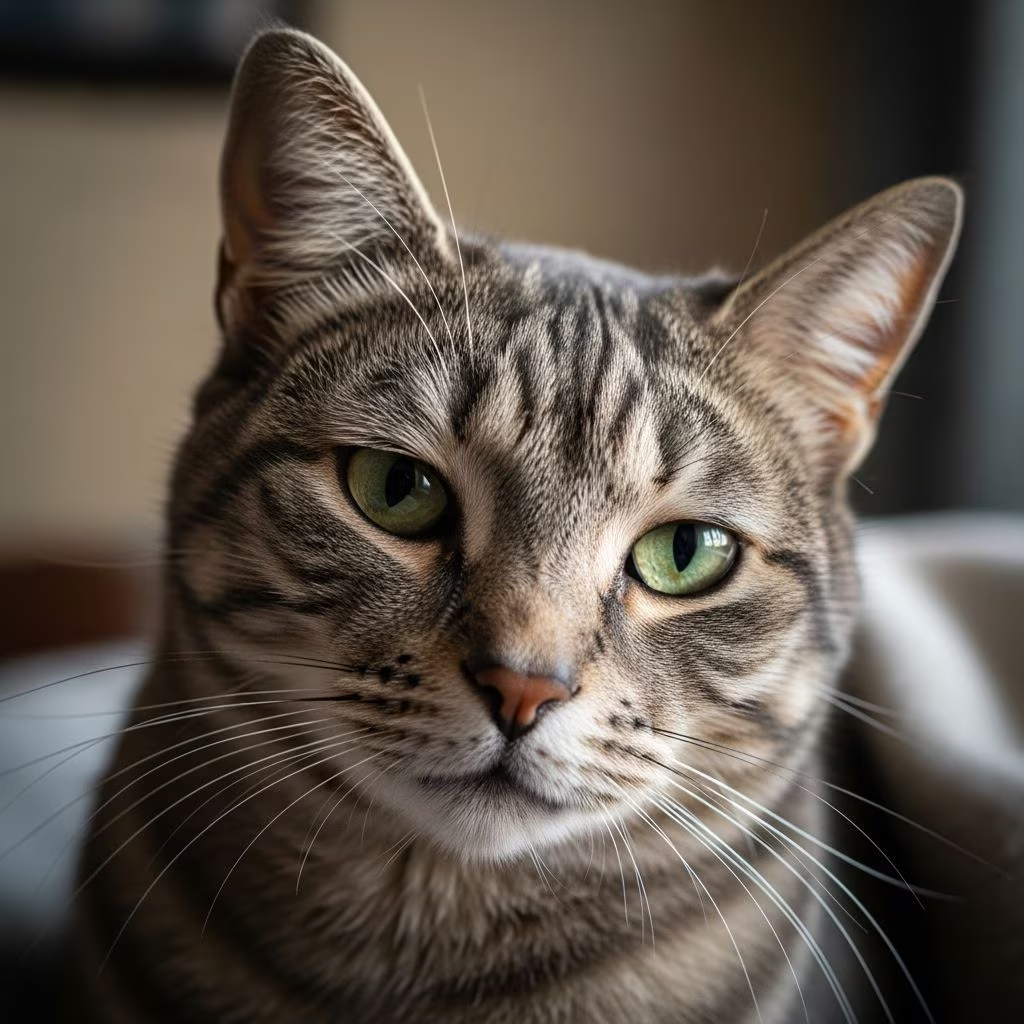
Cat dementia, also known as feline cognitive dysfunction syndrome (CDS), mimics Alzheimer’s disease in humans and impacts a significant number of senior cats, leading to behavioral and cognitive decline. While there’s no cure, early recognition of symptoms and proactive management can greatly improve your cat’s quality of life.
What Is Cat Dementia?
Feline cognitive dysfunction syndrome (CDS) refers to age-related neurodegenerative changes in the brain that result in altered behavior, memory loss, and disorientation. It typically affects cats over 10 years old, with prevalence increasing sharply after age 15—up to 50% of cats over 15 show symptoms like aimless wandering and excessive vocalization. Unlike normal aging, CDS involves pathological brain changes that disrupt normal neuronal function.
Senior cats with CDS often exhibit a gradual onset of symptoms that worsen over time. These changes can be subtle at first, such as mild confusion, but progress to more noticeable issues like house soiling or sleep disturbances. Importantly, CDS symptoms can overlap with other conditions like hyperthyroidism or arthritis, making veterinary diagnosis essential.
Signs and Symptoms of Cat Dementia
Recognizing the early signs of cat dementia is crucial for timely intervention. Symptoms are often remembered using the acronym DISHA: Disorientation, Interactions changes, Sleep-wake cycle alterations, House soiling, and Activity level changes.
- Disorientation: Cats may stare blankly at walls, get lost in familiar places, or fail to recognize family members.
- Social changes: Increased irritability, anxiety, reduced affection, or withdrawal from interaction.
- Sleep disturbances: Excessive sleeping during the day and restlessness or vocalizing at night.
- House soiling: Forgetting litter box training, urinating or defecating outside the box[10].
- Activity alterations: Aimless pacing, reduced play interest, or compulsive behaviors like excessive grooming.
Other common signs include increased vocalization (howling), appetite changes, and anxiety. About 28% of cats aged 11-14 show initial social changes, escalating to 50% in those over 15. If your cat displays these, consult a vet promptly to rule out treatable conditions.
Causes of Cat Dementia
The precise cause of cat dementia remains unclear, but it stems from age-related brain degeneration. Key pathological changes include:
- Accumulation of amyloid-beta proteins on neurons, leading to brain damage.
- Neuronal loss and atrophy: Neurons, which process information and send commands, die off, disrupting cognition and behavior.
- Vascular changes: Reduced blood flow to the brain exacerbates neuron death.
- Brain regions controlling memory, sleep, and anxiety decay first, causing behavioral failures.
Age is the primary risk factor, with genetic predisposition possibly playing a role. Unlike dogs, less research exists on feline CDS, but parallels to human Alzheimer’s are evident. Co-existing conditions like arthritis or kidney disease can worsen symptoms.
How Is Cat Dementia Diagnosed?
Diagnosing CDS involves ruling out other illnesses mimicking its symptoms. Vets follow a systematic process:
- Detailed history: Owners report behavioral changes using tools like the CDS checklist.
- Physical exam: Checks for pain, arthritis, or neurological issues.
- Blood and urine tests: Screen for hyperthyroidism, kidney disease, hypertension, or diabetes.
- Further tests if needed: Blood pressure measurement, imaging, or thyroid scans.
Once other conditions are excluded, CDS is diagnosed. Early detection allows for management to slow progression.
Treatment Options for Cat Dementia
There is no cure for cat dementia, as brain changes are irreversible. However, a multimodal approach—medications, diet, environmental modifications, and stimulation—can alleviate symptoms, slow decline, and enhance well-being. Survival post-diagnosis varies from months to 10 years, depending on onset age, severity, and comorbidities.
Medications
Vets may prescribe:
- Selegiline (Anipryl/Selgian): Monoamine oxidase-B inhibitor; improves disorientation, sleep, and activity (used off-label).
- Propentofylline (Vivitonin): Boosts brain blood flow and energy.
- Anxiolytics/Antidepressants: Reduce anxiety and stress (e.g., gabapentin for pain/anxiety).
- Other: SAM-e, L-theanine, omega-3s for neuroprotection.
Always consult a vet; no treatments are FDA-licensed specifically for feline CDS.
Diet and Supplements
Antioxidant-rich diets combat oxidative stress. Supplements like omega-3 fatty acids, L-carnitine, and free radical scavengers show promise based on dog studies. Combine with stimulation for best results. Vet-recommended senior formulas support brain health.
Environmental and Lifestyle Changes
Adapt the home for safety and stimulation:
- Provide low-entry litter boxes, food/water bowls, and beds.
- Use nightlights to reduce nighttime confusion.
- Maintain consistent routines for feeding, play, and litter.
- Encourage exercise, puzzles, catnip toys, and window perches.
These non-drug interventions significantly improve quality of life without side effects.
Preventing or Slowing Cat Dementia
While not fully preventable, progression can be delayed via:
- Lifelong mental enrichment and exercise.
- Balanced nutrition with antioxidants.
- Regular vet check-ups for early detection of risks.
Start interventions early—the sooner, the better.
How Long Do Cats Live with Dementia?
Life expectancy varies: many live 2-10 years post-diagnosis, influenced by age at onset, symptom severity, progression rate, and other illnesses. With management, quality of life remains good for years.
Frequently Asked Questions (FAQs)
What are the first signs of dementia in cats?
Early signs include disorientation (staring at walls), subtle social withdrawal, mild sleep changes, or forgetting litter habits.
Can cat dementia be cured?
No, brain changes are irreversible, but symptoms can be managed effectively.
Is there medication for cat dementia?
Yes, options like selegiline and anxiolytics help; consult your vet.
How can I help my cat with dementia at home?
Use consistent routines, environmental adaptations, mental stimulation, and vet-approved supplements.
At what age does cat dementia start?
Typically 10-15 years, worsening after 15.
References
- Cat Dementia: Signs, Treatments and Causes — Pets Best Insurance. 2023. https://www.petsbest.com/blog/cat-dementia
- Cognitive dysfunction syndrome (senility, dementia) in cats — International Cat Care. 2024. https://icatcare.org/articles/cognitive-dysfunction-syndrome-in-cats
- Dementia in cats — Joii Pet Care. 2023. https://www.joiipetcare.com/blogs/health-conditions/dementia-in-cats
- Cat Dementia: Signs and Treatment — Purina NZ. 2024. https://www.purina.co.nz/care-and-advice/cat/behaviour-and-training/cat-dementia
- What to Know About Dementia in Cats — WebMD. 2023-10-15. https://www.webmd.com/pets/cats/what-to-know-about-dementia-in-cats
- Dementia in Cats — PetMD. 2024. https://www.petmd.com/cat/conditions/neurological/dementia-cats



