

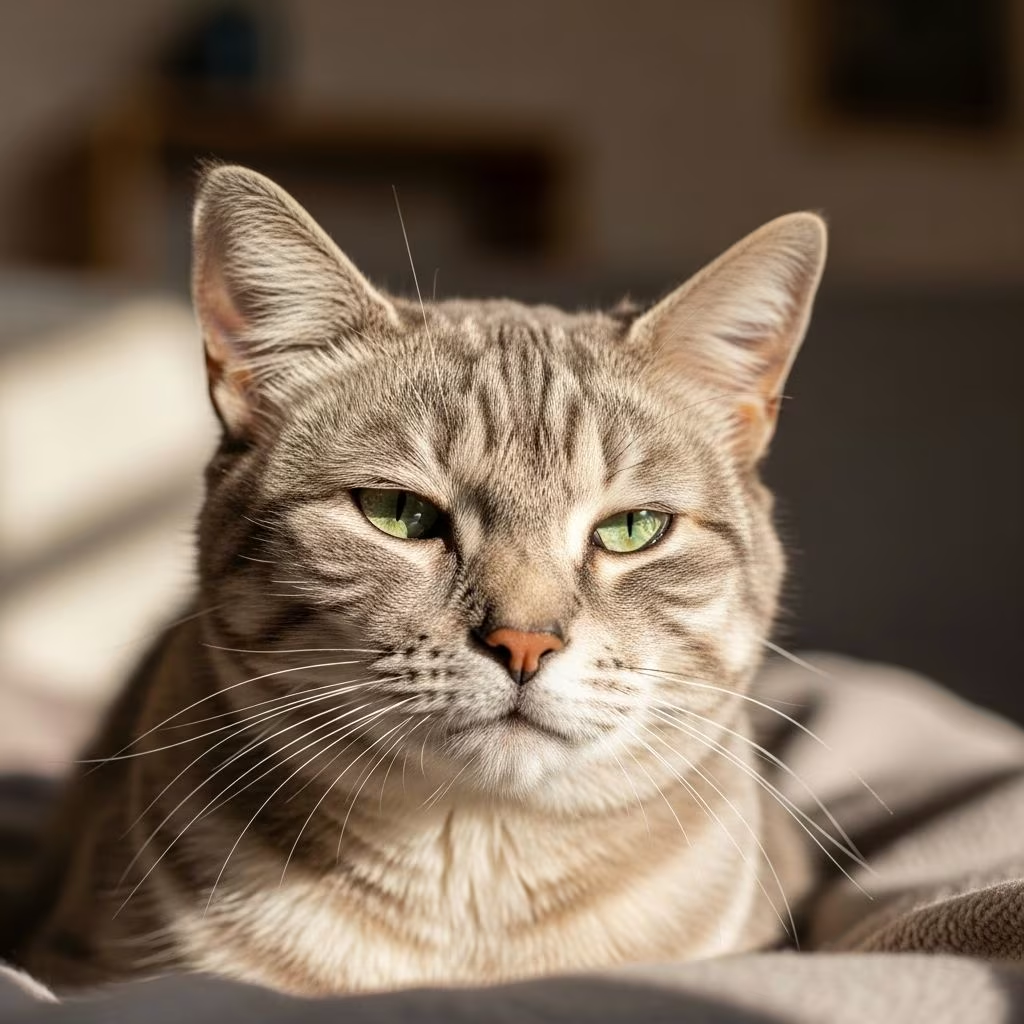
As cats age, they face various health challenges, and one of the most concerning is cognitive decline, commonly referred to as cat dementia or feline cognitive dysfunction syndrome (CDS). This condition mirrors human Alzheimer’s in some ways, affecting memory, learning, and behavior. With veterinary advances allowing cats to live longer—often into their late teens—understanding this issue becomes crucial for pet owners. Prevalence rises sharply with age: about 28% of cats aged 11-14 show signs, jumping to 50% in those over 15. Early recognition and intervention can significantly enhance a senior cat’s comfort and longevity.
Understanding the Roots of Feline Cognitive Decline
The primary driver of cat dementia stems from age-related brain alterations. Neurons degenerate, leading to reduced communication between brain cells. A key culprit is the accumulation of beta-amyloid proteins, which form plaques that disrupt neural signaling, much like in human neurodegenerative disorders. Additional factors include neuronal loss, brain atrophy, vascular changes, and diminished blood flow to the brain, all exacerbating cognitive impairment. While genetics may influence susceptibility, advanced age remains the biggest risk factor, typically emerging after 10 years. Unlike acute injuries, this progressive condition worsens gradually, often intertwined with other senior ailments like arthritis or kidney disease.
Key Indicators of Cognitive Dysfunction in Cats
Spotting cat dementia early hinges on observing subtle shifts in daily habits. Cats may exhibit a cluster of symptoms remembered by the acronym DISHAA: Disorientation, Interactions (social changes), Sleep disturbances, House soiling, Activity alterations, and Anxiety.
- Disorientation: Wandering aimlessly, staring at walls, or getting lost in familiar spaces like their own home.
- Social shifts: Reduced affection, avoidance of family members, or altered greetings.
- Sleep pattern changes: Excessive daytime sleeping followed by nighttime restlessness or vocalizing.
- House soiling: Forgetting litter box use, urinating outside it, or showing confusion about elimination spots.
- Activity changes: Pacing, decreased play interest, or obsessive behaviors like over-grooming.
- Anxiety or irritability: Increased vocalization (howling), aggression, or apparent fearfulness.
These signs aren’t mere ‘old age’ quirks; they signal underlying brain changes. Owners often notice them gradually, mistaking them for normal aging until they intensify.
Diagnostic Approaches for Senior Cats
Confirming cat dementia requires excluding other conditions mimicking its symptoms, such as hyperthyroidism, urinary tract infections, or hypertension. Veterinarians start with a comprehensive exam, including blood work, urinalysis, and possibly thyroid tests or imaging like X-rays or MRIs[10]. Behavioral observation over weeks helps identify patterns. Tools like owner questionnaires assess changes in activity and cognition. No single test diagnoses CDS definitively; it’s a diagnosis of exclusion combined with clinical history. Regular senior check-ups—biannually after age 11—facilitate early detection.
Strategies to Manage and Slow Progression
Though incurable, cat dementia is manageable through multifaceted approaches focusing on brain support, environmental tweaks, and symptom relief. Goals include enhancing quality of life, slowing decline, and addressing concurrent issues.
Nutritional Interventions for Brain Health
Specialized diets fortified with antioxidants (vitamins E and C, selenium, beta-carotene), omega-3 fatty acids, and compounds like carnitine bolster cognitive function. These combat oxidative stress and inflammation in the aging brain. Prescription foods, such as those with calming milk proteins (e.g., Royal Canin Calm), reduce anxiety. Supplements like SAMe (S-adenosylmethionine) support neuronal health, while omega-3s from fish oil promote membrane integrity. Always consult a vet before changes to avoid interactions.
Pharmacological Support Options
Veterinarians may prescribe medications off-label for cats:
| Medication | Purpose | Notes |
|---|---|---|
| Selegiline (Anipryl) | Improves disorientation by inhibiting monoamine oxidase-B | Used off-label; monitor response |
| Propentofylline (Vivitonin) | Enhances brain blood flow | Supports cognition |
| Gabapentin | Manages anxiety or pain | Common for mobility/cognitive combo |
| Antidepressants/Anxiolytics | Reduces stress and irritability | Tailored to individual needs |
| Solensia injections | Arthritis relief aiding mobility | Monthly for joint issues |
Regular monitoring via diaries tracks efficacy and side effects.
Environmental Modifications for Comfort
Adapt the home to reduce confusion:
- Consistent routines for meals, play, and litter use to minimize stress.
- Multiple low-sided litter boxes, food/water stations in accessible spots.
- Nightlights or glow-in-dark features to prevent nighttime disorientation.
- Safe climbing areas with ramps for arthritic joints.
- Pheromone diffusers (e.g., Feliway) to calm anxiety.
Avoid disruptions like new pets or boarding; opt for familiar sitters.
Promoting Mental and Physical Engagement
Keep the brain active to preserve function:
- Interactive toys, puzzle feeders, and laser pointers for daily sessions.
- Window perches for bird-watching or apps with moving visuals for low-mobility cats.
- Gentle exercise like chasing crinkly balls to boost circulation.
- Social interaction through petting or talking to maintain bonds.
Aim for 10-15 minutes of stimulation daily, adjusted for energy levels.
Lifestyle Tips for Long-Term Senior Cat Wellness
Beyond treatments, holistic care sustains vitality. Annual blood panels catch comorbidities early. Weight management prevents obesity straining cognition. Hydration via fountains encourages intake. Track symptoms in a journal to share with vets, noting triggers or improvements. Many cats respond well, regaining alertness and contentment. End-of-life decisions prioritize dignity; discuss quality-of-life scales with professionals.
Frequently Asked Questions About Cat Dementia
Can cat dementia be reversed?
No, it’s progressive, but interventions slow it and ease symptoms for years.
At what age does cat dementia typically start?
Usually after 10-11 years, with higher incidence over 15.
Is medication safe for older cats?
Yes, when vet-prescribed and monitored; many tolerate it well.
How can I tell if it’s dementia or another illness?
Vet diagnostics rule out treatable causes like infections[10].
What diet helps most with CDS?
Antioxidant-rich, omega-3 fortified senior formulas.
By implementing these strategies, owners empower senior cats to navigate cognitive challenges gracefully, fostering joyful golden years.
References
- Cat Dementia – Roundwood Pet Hospice — Roundwood Pet Hospice. 2023. https://www.roundwoodpethospice.co.uk/post/cat-dementia
- Cat Dementia: Signs, Treatments and Causes — Pets Best Insurance. 2023. https://www.petsbest.com/blog/cat-dementia
- Cat Dementia and Cognitive Dysfunction | Best Friends Animal Society — Best Friends Animal Society. 2023. https://bestfriends.org/pet-care-resources/cat-dementia-cognitive-dysfunction-older-cats
- Feline Cognitive Dysfunction & Cat Dementia and How To Help — Hill’s Pet. 2023. https://www.hillspet.com/cat-care/healthcare/cat-dementia-in-seniors
- Dementia in Cats | PetMD — PetMD. 2023. https://www.petmd.com/cat/conditions/neurological/dementia-cats
- Cognitive Dysfunction — Cornell University College of Veterinary Medicine. 2023. https://www.vet.cornell.edu/departments-centers-and-institutes/cornell-feline-health-center/health-information/feline-health-topics/cognitive-dysfunction



