

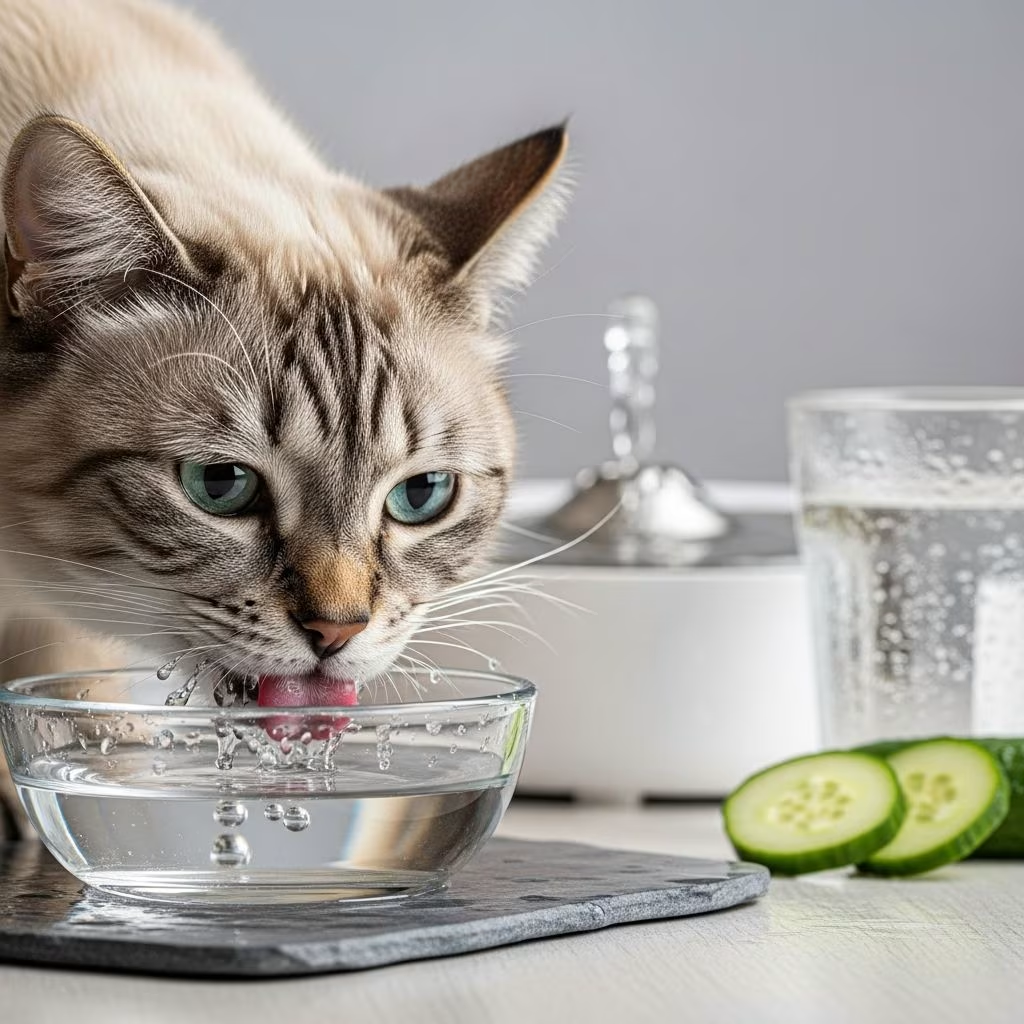
Cats often ignore water bowls despite their need for steady hydration, leading to dehydration that strains kidneys and other organs. Understanding triggers for reduced drinking and implementing targeted solutions can safeguard your pet’s well-being.
Recognizing Dehydration in Your Feline Friend
Dehydration occurs when a cat loses more fluids than it consumes, disrupting normal body functions. Cats derive much moisture from food, but insufficient drinking exacerbates risks, especially in dry-food diets where water content is low at about 10% versus 70-80% in wet varieties.
Key indicators include tacky gums, sunken eyes, lethargy, and skin that stays tented when pinched. Cats normally drink 10-30 ml per pound daily, adjusted for diet and activity; deviations signal issues.
- Lethargy and weakness: Reduced energy from fluid imbalance affects circulation.
- Dry mouth and gums: Loss of moisture makes tissues sticky.
- Loss of appetite: Dehydration dulls hunger signals.
- Dark urine or infrequent urination: Concentrated waste shows poor hydration.
Severe cases involve rapid heartbeat, collapse, or shock, requiring immediate veterinary care. Early detection via skin elasticity tests or gum moisture checks allows home intervention.
Primary Causes Behind Low Water Consumption
Multiple factors deter cats from drinking, ranging from instincts to health woes. Wild ancestors got hydration from prey, fostering aversion to still water.
| Cause Category | Examples | Impact on Drinking |
|---|---|---|
| Instinctual | Preference for moving water | Ignores stagnant bowls |
| Environmental | Cleanliness issues, bowl location | Avoids dirty or inaccessible sources |
| Health-Related | Illness, pain | Reduces overall activity including drinking |
| Dietary | Dry kibble dominance | Compensates inadequately for low moisture |
Cats shun open bowls mimicking unsafe standing water, prefer running streams. Dirty bowls or proximity to litter deter access.
Health Conditions Linked to Hydration Struggles
Underlying diseases often manifest as altered drinking patterns, where low intake signals problems like organ stress. Chronic kidney disease impairs urine concentration, worsening dehydration cycles.
- Kidney dysfunction: Failing kidneys can’t retain water, prompting but sometimes failing to increase intake; common in seniors.
- Diabetes mellitus: High blood sugar spills into urine, dragging fluids and causing thirst deficits if not addressed.
- Hyperthyroidism: Overactive thyroid accelerates metabolism, dehydrating via increased urination despite efforts to drink.
- Urinary issues: Infections cause pain, reducing water-seeking behavior.
Liver problems hinder toxin filtration, indirectly curbing appetite and hydration. Veterinary diagnostics via bloodwork pinpoint these.
Environmental and Behavioral Barriers to Hydration
Beyond medical issues, daily factors block water access. Stress from new pets, moves, or noise alters routines, including drinking.
Bowl placement matters: near food or litter repels due to scent aversions. Plastic bowls harbor bacteria; ceramic or glass fare better. Hot weather or dry air heightens needs without corresponding intake boosts.
Medication side effects or diet shifts to saltier foods subtly reduce voluntary drinking. Observe patterns: sudden drops warrant checks.
Effective Strategies to Encourage Drinking
Transform hydration habits with simple, cat-approved tweaks. Fountains mimic streams, enticing natural curiosity; many models filter water for freshness.
- Multiple stations: Place clean bowls in quiet, elevated spots across home.
- Wet food integration: High-moisture meals fulfill 70-80% needs, easing bowl reliance.
- Flavor enhancers: Add tuna water or broth (low-sodium) to bowls temporarily.
- Temperature play: Cool water in summer, room-temp in winter appeals more.
- Water additives: Vet-formulated products improve taste without calories.
Track intake: measure daily output against weight-based norms. Automatic fillers ensure constant availability.
Assessing and Managing Dehydration at Home
Home tests gauge severity: pinch neck skin—if slow return, hydrate promptly. Offer electrolyte solutions designed for pets, avoiding human versions with xylitol.
For mild cases, subcutaneous fluids under vet guidance restore balance. Monitor urine color: pale yellow indicates success.
Dietary shifts to renal-support formulas aid kidney cases, balancing minerals while boosting moisture.
When to Seek Professional Veterinary Help
Persistent low intake, coupled with weight loss, vomiting, or behavioral shifts, demands urgent exams. Blood panels reveal glucose, kidney values, thyroid levels.
Seniors face higher risks; annual checkups catch trends early. Untreated dehydration accelerates organ failure.
Preventive Measures for Long-Term Feline Hydration
Proactive routines minimize crises. Weekly bowl scrubs, fountain maintenance, and wet-dry mixes sustain levels. Weight monitoring flags subtle declines.
Educate on breed variances: Persians with flat faces may struggle more. Seasonal adjustments counter heat-induced losses.
FAQs on Cat Hydration and Dehydration
How much water should my cat drink daily?
Average is 10-30 ml per pound, varying by diet; wet food reduces needs.
Is it bad if my cat only eats dry food?
Not ideal alone; pair with ample fresh water or mix wet to prevent deficits.
Can stress cause dehydration in cats?
Yes, anxiety curbs drinking; calming environments and pheromones help.
What home test checks dehydration?
Skin tenting and gum moisture; consult vet for confirmation.
Does hyperthyroidism affect water intake?
It often increases thirst initially, but untreated leads to imbalances.
(Word count: 1678)
References
- Unraveling the Mystery: Reasons Behind a Cat’s Increased Water Consumption — Cats in the City. 2023. https://catsinthecity.com/unraveling-the-mystery-reasons-behind-a-cats-increased-water-consumption/
- Why is My Cat Drinking so Much? — Pet Health Network. 2024-02-15. https://www.pethealthnetwork.com/cat-health/cat-diseases-conditions-a-z/why-my-cat-drinking-so-much
- Cat Drinking a Lot of Water? Causes and When to Worry — Rutherford Veterinary Hospital. 2024. https://rutherfordvet.com/cat-drinking-a-lot-of-water/
- Why Is Your Cat Drinking So Much Water All of a Sudden? — Penny Paws. 2023-11-10. https://pennypaws.com/blog/why-is-your-cat-drinking-so-much-water-all-of-a-sudden/
- Why Is My Cat Drinking So Much Water – Common Reasons — Revelvet. 2024-01-20. https://revelvet.com/blog/why-is-my-cat-drinking-so-much-water/
- Why is my cat so thirsty? — Metropolitan Veterinary Associates. 2023. https://metro-vet.com/why-is-my-cat-so-thirsty/



