

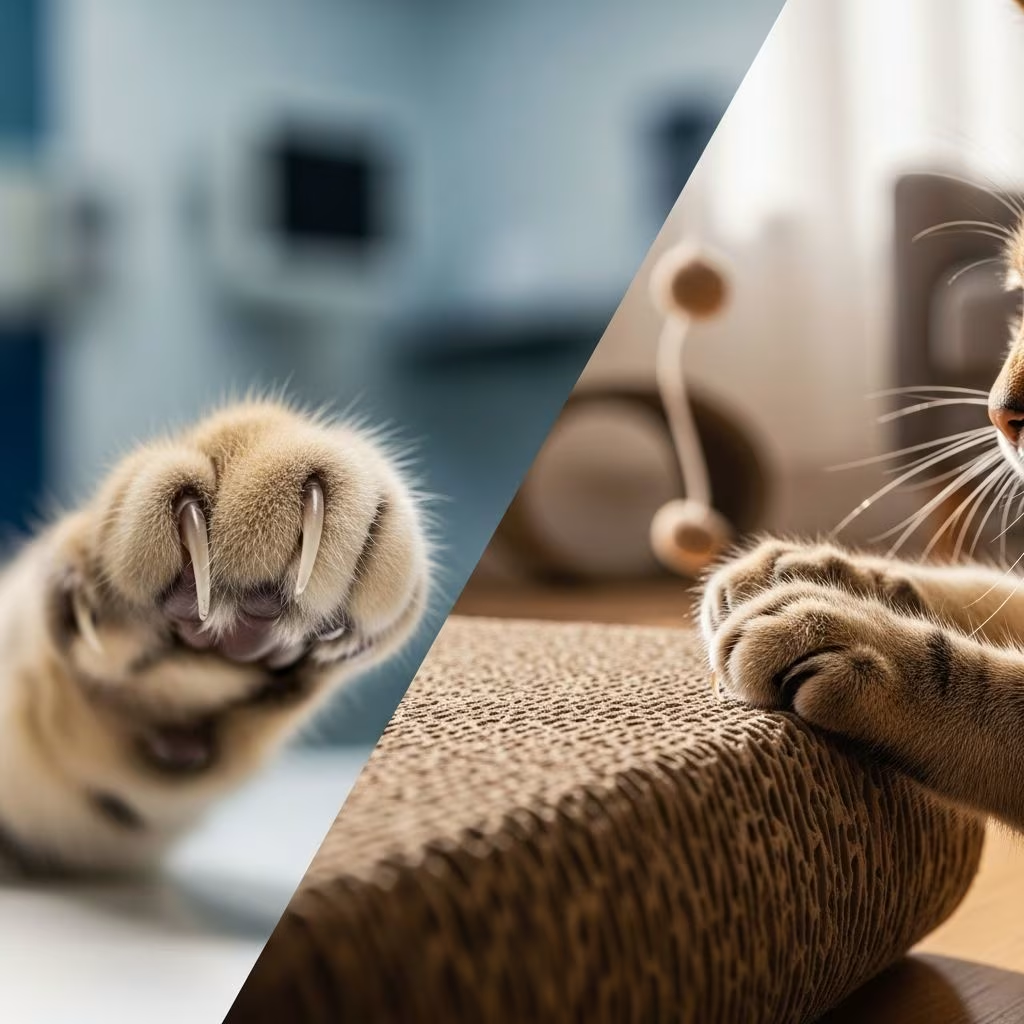
Understanding Cat Declawing: A Painful Surgical Procedure
Cat declawing is often misunderstood as a simple procedure similar to trimming human fingernails. In reality, declawing is a major surgical amputation that removes the last bone of each digit on a cat’s paw. This invasive procedure goes far beyond nail removal and has significant consequences for feline health and behavior. Many cat owners who have chosen declawing for their pets were unaware of the lasting physical and psychological harm it causes. Understanding the true nature of this procedure and its potential complications is essential for making informed decisions about your cat’s healthcare.
The procedure involves amputating the distal phalanx, which is the bone at the end of each toe where the claw grows. This is equivalent to removing the tips of human fingers at the last knuckle joint. Veterinarians and animal welfare organizations increasingly discourage this practice, and several countries and states have banned it entirely. The American Veterinary Medical Association (AVMA) now recognizes declawing as an unnecessary procedure in most circumstances and recommends exploring alternatives before considering surgery.
Physical Effects and Health Complications
Immediate Post-Surgical Complications
Following declawing surgery, cats face numerous immediate complications that can extend recovery and cause suffering. Anesthetic risks are inherent to any surgical procedure, and declawing requires general anesthesia, which carries its own set of potential complications. Post-operative pain is severe, as surgery involving bone is more painful than other types of surgery. Pain management after declawing is difficult because cats naturally hide signs of discomfort, making it challenging for owners to assess their pet’s suffering level.
Common immediate complications include infection, hemorrhage, and tissue damage. During surgery, if claws are not removed properly, they can regrow abnormally, causing nerve damage and the development of painful bone spurs. Cats may experience lameness, reluctance to jump or climb, and decreased movement immediately following the procedure. Some cats develop tourniquet paralysis from the surgical technique, which is usually temporary but can last up to two months.
Chronic Pain and Long-Term Physical Problems
The most significant concern with declawing is the development of chronic, long-term pain that can persist throughout a cat’s life. Declawed cats are three to seven times more likely to develop chronic back pain compared to non-declawed cats. This increased risk occurs because removing the claw changes the way a cat’s feet meet the ground, altering their gait and posture. This abnormal weight distribution can cause pain similar to wearing uncomfortable shoes that don’t fit properly.
Neuropathic pain, which occurs when nerve signals are disrupted and send abnormal messages to the brain, is a common cause of chronic pain in declawed cats. Additionally, long-term inflammation, residual bone fragments, or scar tissue can contribute to persistent discomfort. Some cats experience phantom pain, similar to phantom limb pain in humans, where they feel pain in their amputated digits. These physical complications can significantly impact a cat’s quality of life and mobility.
Gait Abnormalities and Musculoskeletal Issues
Declawing fundamentally alters how cats walk and move. The change in gait affects the alignment of bones throughout the paw, leg, and spine. Over time, this abnormal biomechanics can lead to degenerative joint disease and chronic musculoskeletal pain. Cats may develop an abnormal walking pattern that compensates for paw pain, further stressing other areas of the body. This cascade of physical problems demonstrates why many veterinarians consider declawing to be mutilation rather than a routine medical procedure.
Behavioral and Psychological Effects
Litter Box Aversion
One of the most common and frustrating behavioral changes following declawing is litter box aversion. After surgery, recovery protocol typically involves using shredded newspaper in the litter box instead of regular litter to prevent irritation to the healing paws. This unfamiliar substrate, combined with pain when scratching or digging in the box, creates a negative association with the litter box. Many cats never overcome this aversion, leading to permanent inappropriate elimination throughout the home. This behavioral issue creates tension between cats and their owners and often leads to additional stress for both.
Increased Aggression and Biting
Declawed cats are significantly more likely to become aggressive and resort to biting as their primary means of defense. Cats naturally rely on their claws for both offense and defense. When claws are removed, cats lose a critical tool for communication and self-protection. The pain and frustration of being unable to defend themselves or express themselves through scratching can lead to increased biting behavior. This is particularly concerning in households with children or people with compromised immune systems, as cat bites carry infection risk.
Behavioral Changes Related to Loss of Natural Behavior
Scratching is a fundamental cat behavior that serves multiple purposes: marking territory, stretching muscles, maintaining claw health, and expressing emotions. Even after declawing, many cats continue attempting to scratch, going through the motions without claws. The inability to successfully scratch can cause emotional stress and psychological frustration. Some cats develop overgrooming behaviors, excessively licking and pulling out their fur as a stress response. Research indicates that declawed cats are at increased risk for overgrooming, inappropriate urination, and other stress-related behaviors.
Anxiety and Stress-Related Issues
Declawed cats often experience anxiety and stress due to their inability to defend themselves and express natural behaviors. This psychological distress can manifest in various ways, including increased nervousness, aggression, and avoidance behaviors. Some cats become withdrawn and reluctant to interact with family members. The loss of their primary defense mechanism creates a sense of vulnerability that can persist throughout their lives.
Why Veterinarians Discourage Declawing
Major veterinary organizations, including the American Veterinary Medical Association, the American Animal Hospital Association, and the ASPCA, now recommend against declawing except in rare medical circumstances. These organizations have reviewed extensive research demonstrating the serious physical and behavioral consequences of the procedure. The consensus is clear: declawing provides no medical benefit to cats and causes significant harm.
The procedure is banned or restricted in numerous countries, including the United Kingdom, Germany, France, Spain, and Australia, among many others. In the United States, New York became the first state to ban declawing in 2019, recognizing it as an inhumane practice. These legal restrictions reflect growing global recognition that declawing is ethically unjustifiable for cosmetic reasons.
Safer and More Humane Alternatives
Regular Nail Trimming
Regular nail trimming is one of the simplest and most effective ways to manage cat scratching behavior. By keeping nails short and blunt, you significantly reduce damage to furniture and reduce the sharpness that makes scratching on people more problematic. Most cats tolerate nail trimming well, especially when introduced as kittens. Many veterinarians recommend trimming nails every 2-4 weeks. This simple maintenance eliminates most scratching-related damage while preserving your cat’s natural claws and normal behavior.
Providing Multiple Scratching Surfaces
Cats scratch to mark territory, stretch their muscles, and maintain their claws. By providing appropriate scratching surfaces throughout your home, you redirect this natural behavior away from furniture. Offer a variety of scratching options, including:
- Vertical scratching posts made of sisal rope
- Horizontal scratching pads and corrugated cardboard scratchers
- Angled scratching boards
- Cat trees and climbing structures
Place scratchers near areas where your cat likes to scratch, and reward your cat with treats and praise when they use these appropriate surfaces. Catnip or silvervine can make scratchers more attractive. Rotating scratchers and trying different textures helps maintain your cat’s interest.
Nail Caps and Protective Covers
Soft nail caps, such as Soft Paws, are small plastic covers that fit over your cat’s claws. These caps are glued to the nail and naturally fall off as the nail grows out. They prevent scratching damage while allowing your cat to retain full use of their claws. Nail caps must be applied regularly but provide an effective temporary solution. Many cats tolerate nail caps well after an adjustment period.
Environmental Modification and Furniture Protection
Protecting furniture with double-sided tape, aluminum foil, or plastic covers makes scratching less rewarding. Cats dislike the sticky sensation and unfamiliar textures. Using furniture covers and protecting the corners of couches and chairs discourages scratching in those areas. Creating an enriched environment with climbing opportunities and interactive toys also reduces destructive scratching by providing appropriate outlets for energy and natural behaviors.
Behavioral Training and Positive Reinforcement
Cats respond well to positive reinforcement. Reward your cat with treats, praise, and playtime when they scratch on appropriate surfaces. Use a water bottle or noise deterrent if your cat scratches furniture, followed by redirecting them to an appropriate scratcher. Consistency is key to successful behavior modification. With patience and commitment, most cats can learn to scratch appropriately without requiring surgery.
Calming Products and Supplements
Pheromone diffusers, such as Feliway, can reduce stress-related scratching and other anxiety behaviors. These products mimic natural calming pheromones that cats produce. Additionally, various supplements and calming treats may help reduce anxiety and excessive scratching. Consulting with your veterinarian about appropriate calming products can provide additional support for behavior management.
When Declawing Might Be Considered
The AVMA acknowledges that declawing may be considered in very specific circumstances when “a cat’s excessive or inappropriate scratching behavior causes an unacceptable risk of injury or remains destructive despite conscientious attention to behavioral modification and alternatives.” These rare situations might include:
- Owners with severe bleeding disorders or immune system suppression who are at high risk from cat scratches
- Situations where all other alternatives have been thoroughly attempted without success
- Cases where medical declawing is necessary to treat tumors, chronic infections, or other medical conditions affecting the claws
Even in these limited circumstances, declawing should only be performed by a skilled veterinarian using current best practices for amputation, including comprehensive pain management before, during, and after surgery.
Cost Considerations
Declawing surgery is expensive, ranging from $600 to $1,800 depending on the veterinarian and location. This cost includes the surgical procedure, general anesthesia, pre-operative examination, antibiotics, and possibly overnight hospitalization. If complications develop, additional veterinary care and treatment can significantly increase these expenses. Many of the alternatives to declawing, such as nail caps, scratching posts, and behavioral training, cost considerably less and provide long-term solutions without the risks associated with surgery.
Indoor vs. Outdoor Considerations
Declawed cats must be kept strictly indoors, as they cannot adequately defend themselves against other animals or climb trees to escape danger. Without their claws, declawed cats are at increased risk of injury or death if they encounter other cats, dogs, or wildlife. This restriction on a cat’s ability to go outdoors limits their enrichment and natural behaviors. Non-declawed cats have the option of supervised outdoor time or leash training, providing more freedom and environmental enrichment.
Frequently Asked Questions About Cat Declawing
Q: Is declawing really that harmful to cats?
A: Yes, declawing is a serious surgical amputation that causes permanent changes to a cat’s anatomy. Research shows declawed cats are three to seven times more likely to develop chronic pain, behavioral problems, and other complications compared to non-declawed cats.
Q: Can declawed cats still use their paws normally?
A: No, declawing permanently alters how cats walk and move. The removal of bone changes the alignment of the entire paw and can lead to abnormal gait, chronic pain, and long-term musculoskeletal problems. Many declawed cats experience ongoing pain and mobility issues throughout their lives.
Q: What age is best for declawing if someone insists on it?
A: While younger cats under one year old may experience fewer immediate post-operative complications and shorter recovery times, they still face the same risks of long-term chronic pain and behavioral problems as older cats. Age does not eliminate the serious risks associated with declawing.
Q: Are there any medical reasons to declaw a cat?
A: Declawing for cosmetic or furniture protection reasons is not medically necessary. However, in rare cases, veterinarians may recommend claw removal to treat medical conditions such as tumors, chronic infections, or severe claw abnormalities. These medical declawings are different from cosmetic declawing procedures.
Q: Will my cat scratch less if I provide scratching posts?
A: Yes, providing appropriate scratching surfaces, combined with regular nail trims and positive reinforcement, effectively reduces scratching damage to furniture. Most cats can be trained to scratch on appropriate surfaces through consistent behavioral management.
Q: What should I do if my declawed cat develops behavioral problems?
A: Consult with your veterinarian immediately. Behavioral problems in declawed cats often result from pain or psychological distress. Your veterinarian can assess your cat’s physical and emotional health and recommend appropriate treatments, pain management, or behavioral support.
Making the Best Decision for Your Cat
The overwhelming evidence from veterinary research and animal welfare organizations indicates that declawing should be avoided in most circumstances. The procedure causes significant physical pain, alters normal anatomy and movement, and frequently results in serious behavioral problems. Fortunately, numerous humane alternatives exist that effectively manage scratching behavior without subjecting your cat to surgical amputation. By combining regular nail trimming, appropriate scratching surfaces, behavioral training, and environmental modifications, cat owners can address scratching concerns while preserving their cat’s health, happiness, and natural behaviors. Investing time and effort into these alternatives demonstrates genuine care for your feline companion’s wellbeing.
References
- Why Declawing is Bad for Your Cat — Humane World for Animals. 2024. https://www.humaneworld.org/en/resources/why-declawing-bad-your-cat
- Declawing — American Animal Hospital Association (AAHA). 2024. https://www.aaha.org/declawing/
- The Risks and Alternatives to Declawing Cats — PetMD. 2024. https://www.petmd.com/cat/general-health/risks-and-alternatives-to-declawing-cats
- Cat Declawing: Pros, Cons, and Safe Alternatives — Pets Best. 2024. https://www.petsbest.com/blog/cat-declawing-safer-alternatives
- Cat Declawing: Pros, Cons, and Safer Alternatives — Shallow Ford Veterinary Clinic. 2024. https://shallowfordvet.com/cat-declawing-pros-cons-and-safer-alternatives/
- Why Not to Declaw — Homeward Trails Animal Rescue. 2024. https://www.homewardtrails.org/resources/cat-behavior-training-health-resources-2/why-not-to-declaw/
- Declawing — PAWS Chicago. 2019. https://www.pawschicago.org/fileadmin/media/images/News_Resources/Cat_Resources/CatResource_Declawing_2019-web.pdf



