

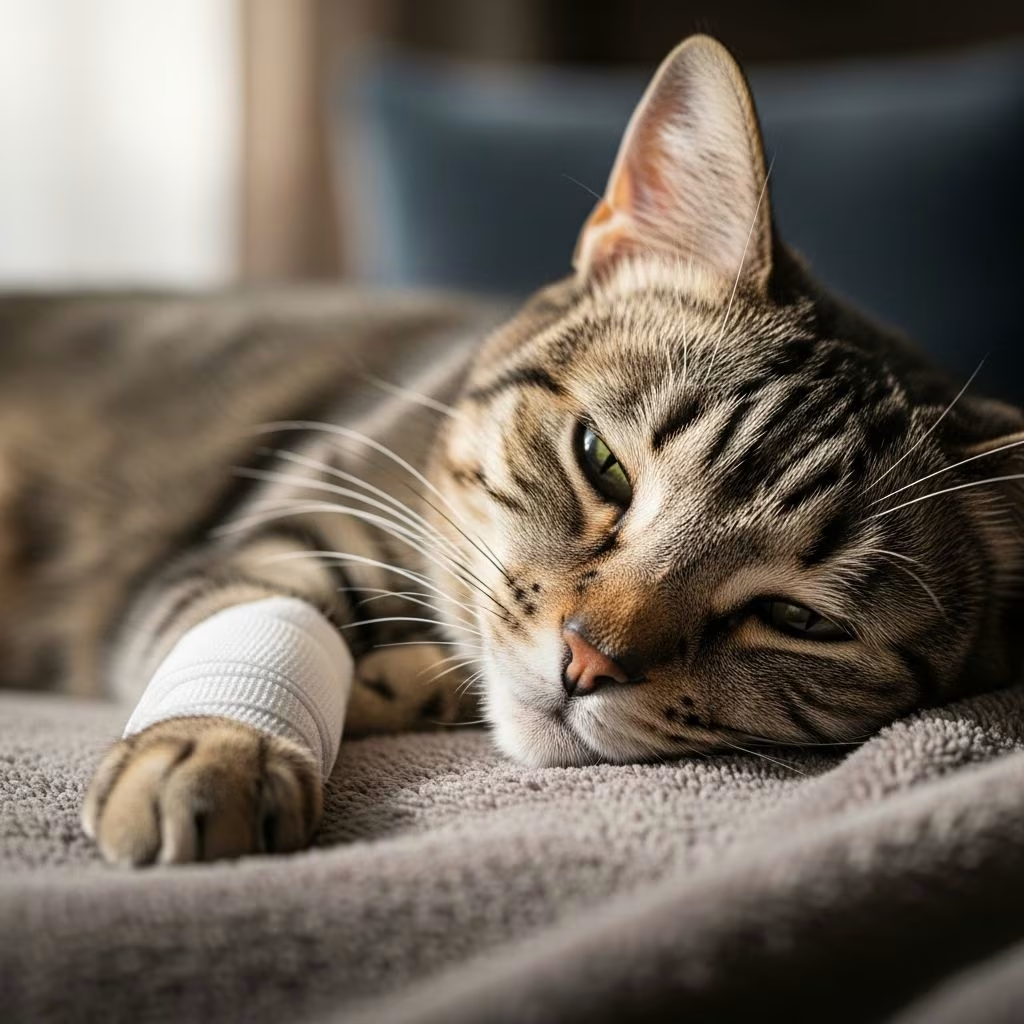
Declawing a cat involves surgically removing the last bone of each front toe, a procedure often chosen to address scratching issues. Recovery typically spans 2-6 weeks for full normal walking, varying by age and health, with younger cats healing faster. Proper post-operative care minimizes pain, prevents infection, and supports swift healing.
Understanding the Declaw Procedure
The surgery occurs under general anesthesia, where veterinarians cleanly excise the claw at the joint, applying sutures, glue, or using laser techniques to seal incisions. Bandages cover paws for 24 hours initially, sometimes longer if bleeding persists, particularly in older or heavier cats. Laser methods reduce bleeding and tissue trauma compared to traditional scalpel approaches, potentially easing recovery. Cats often return home the day after, equipped with pain meds and specific litter recommendations.
Immediate Post-Surgery Expectations
Right after surgery, cats may appear groggy, nauseous, or irritable due to anesthesia, with appetite returning within 24-48 hours. Paws show some swelling and soreness, normal for up to three weeks, but monitor for excessive signs. Bandage removal happens at home or clinic after 24 hours; gently unwind without scissors to avoid skin cuts. If bleeding recurs, apply pressure for 5-10 minutes and confine the cat.
Common First-Day Signs
- Sleepiness or shivering from anesthesia effects.
- Mild paw oozing or spotting, which should cease quickly.
- Reluctance to bear weight on paws, improving after 24 hours.
Younger kittens under one year recover quickest, often combined with spay/neuter to limit anesthesia exposures.
Detailed Home Care Protocols
Confinement is crucial: restrict to a crate, bathroom, or small padded space for 7-14 days to prevent jumping, which risks re-bleeding. Use non-stick litters like shredded paper or Yesterday’s News pellets for 10-14 days to avoid granule adhesion in wounds. Clean boxes frequently and block plant access as makeshift litter.
| Care Aspect | Duration | Key Actions |
|---|---|---|
| Litter Change | 10-14 days | Shredded paper or pellet litter; frequent cleaning. |
| Confinement | 7-10 days | Crate or small room; no high jumps. |
| E-Collar Use | 10 days | Prevent licking; monitor for obsessive behavior. |
| Paw Checks | Daily for 2 weeks | Look for swelling, pus, or limping beyond 5 days. |
Prevent other pets from interacting with paws to avoid bites or licks. Offer small food/water portions initially to combat nausea.
Pain Management and Monitoring
Vets provide multi-modal relief: injectables like nerve blocks (e.g., Nocita for 3 days), orals, and anti-inflammatories. Therapy lasers post-op reduce swelling. Watch for refusal to walk after 24 hours, excessive limping past 5 days, or pus—contact vet immediately. Licking irritates sites, so enforce e-collar use despite protests.
Signs Requiring Veterinary Attention
- Persistent bleeding or pus discharge.
- Swelling increase or foul odor.
- Limping over 5 days or weight refusal.
- Behavioral changes like hiding or aggression.
Most cats walk near-normally by 2-6 weeks, fully by a month for kittens.
Long-Term Effects and Complications
While wounds heal in weeks, tendons shorten, freezing toe joints and altering gait, potentially stressing joints and spine toward arthritis. Declawed cats shift weight rearward, risking back/leg issues over time. They may bite more without claws for defense and lose climbing/hunting prowess, necessitating indoor-only living. Joint supplements post-healing aid mobility—discuss with vets.
Rare risks include anesthesia death or infection, minimized by reputable clinics. Laser declaws show fewer chronic limps versus blade methods.
Alternatives to Declawing
Before surgery, try behavior mods: provide sisal/cardboard posts matching textures, use positive rewards for use, enrich environment with toys/climbers to curb boredom scratching. Trim nails regularly or use soft caps. Feliway diffusers reduce stress-related clawing. Veterinary behaviorists offer customized plans. These preserve natural behaviors like kneading and stretching.
Age Considerations for Best Outcomes
Declaw kittens pre-1 year for rapid recovery and fewer complications; adults heal slower, especially heavies. Early discussions ensure informed timing.
FAQ
How long until my cat walks normally after declaw?
Expect 2-6 weeks, faster in young cats; contact vet if limping persists beyond 5 days.
What litter is safe post-declaw?
Shredded paper or Yesterday’s News for 10-14 days to prevent infections.
Is laser declawing better?
Yes, it cuts pain/bleeding, speeds recovery without tourniquets.
Will my cat suffer long-term pain?
Possible joint issues or gait changes; supplements help, keep indoors.
Can I prevent declawing?
Yes, via posts, training, caps, and enrichment.
Recovery Timeline Overview
- Day 1: Bandage on, rest, pain meds, nausea possible.
- Days 2-7: Remove wraps, confine, special litter, e-collar.
- Weeks 1-2: Monitor paws, limit activity, soreness peaks.
- Weeks 3-6: Gradual normalcy, watch gait.
Adhering to these steps ensures most cats thrive post-declaw, balancing owner needs with pet welfare.
References
- Post Declaw Home Care Instructions — GS Veterinary Hospital. Accessed 2026. https://gsveterinaryhospital.com/wp-content/uploads/Declewa-Discharge.pdf
- Post-Declaw Care — Spay Neuter Clinics. Accessed 2026. https://www.spayneuterclinics.net/prepost-surgical/post-declaw/
- Declaw Aftercare Instructions — Capital City Spay and Neuter. Accessed 2026. https://capitalcityspayandneuter.com/pdf/Declaw_Aftercare_Instructions.pdf
- Feline Declawing — Prairie Winds Veterinary. Accessed 2026. https://www.prairiewindsvet.com/sites/site-4488/documents/Feline%20Declawing.docx
- Declawing of Cats: Controversies, Procedures, & Alternatives — Hometown Veterinarian. Accessed 2026. https://www.hometownveterinarian.com/services/cats/declawing
- The Facts about Declawing — Humane Society of Central CT. Accessed 2026. https://www.hsccvt.org/files/galleries/Declawing.pdf



