

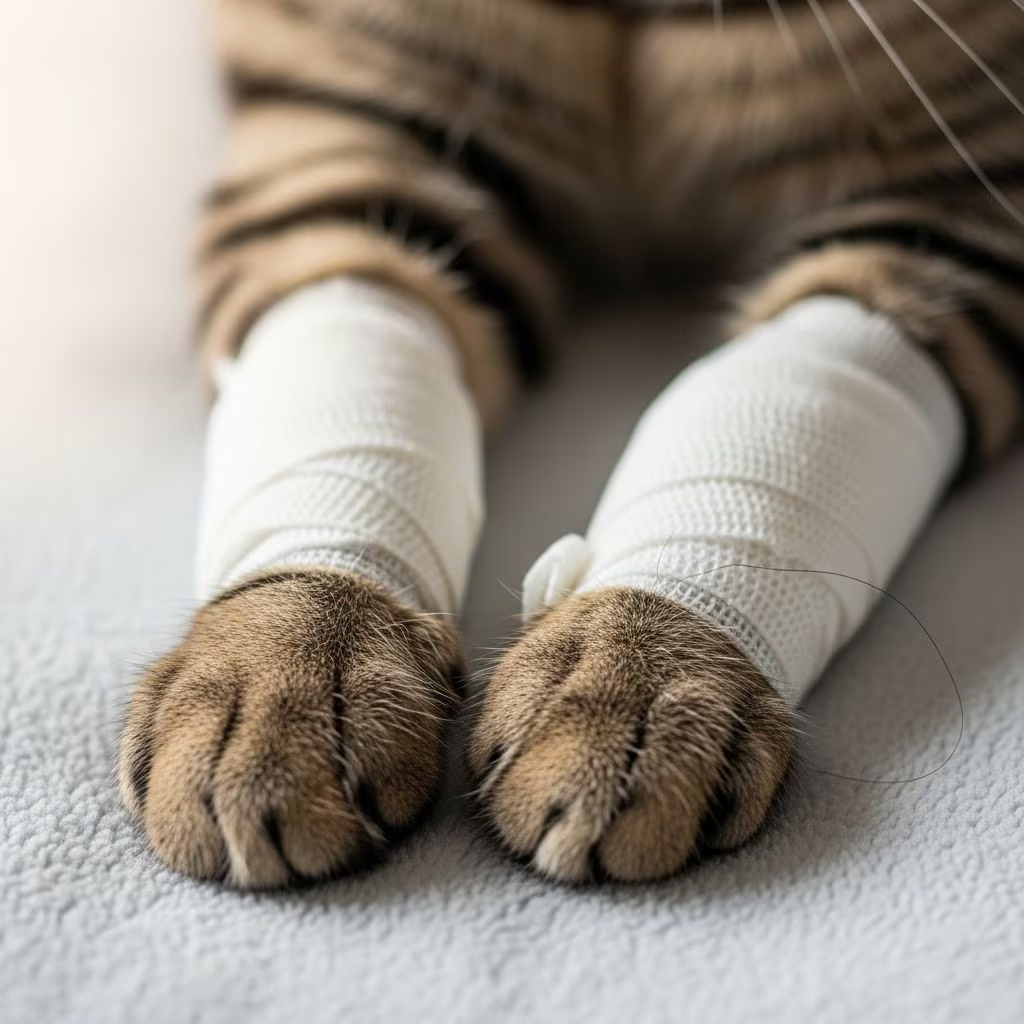
Declawing a cat involves surgically removing the claws and the attached bone segments from the front paws, a procedure akin to multiple small amputations. Proper aftercare is crucial for preventing infections and promoting healing, typically spanning 2-6 weeks depending on the cat’s age and size. Younger cats often recover faster, while older or larger ones may need more time.
Understanding the Declaw Procedure
The surgery uses a guillotine clipper to sever the last bone of each toe under general anesthesia, with incisions sealed by surgical glue rather than stitches. This elective procedure carries risks like any surgery, including anesthesia complications, and is best combined with spay/neuter when possible to minimize anesthetic exposures. Post-surgery, cats experience pain and mobility changes, requiring diligent home nursing.
Immediate Post-Surgery Setup at Home
Upon returning home, confine your cat to a small, quiet space like a crate or bathroom to limit movement and prevent jumping or climbing. This reduces stress on healing paws and lowers complication risks. Provide soft bedding and monitor behavior, as anesthesia effects like drowsiness or nausea may persist for 24-48 hours.
- Keep the environment calm and indoors only to avoid outdoor hazards.
- Avoid stairs, furniture, or play to enforce rest.
- Use a carrier for short absences if needed.
Litter Box Management During Recovery
Standard clay litter must be avoided for 10-14 days as it can stick to incisions, causing irritation or infection. Switch to safe alternatives:
| Recommended Litter Type | Why It’s Safe | Where to Find |
|---|---|---|
| Shredded newspaper | Non-stick, absorbent, low dust | Recycle at home or pet stores |
| Yesterday’s News pellets | Made from recycled paper, soft on paws | PetSmart or online |
| Litter crystals | Minimal dust, quick-drying | Pet supply shops |
Clean the box daily but keep paws dry—excess moisture breeds bacteria. Transition back to regular litter gradually after 2 weeks once paws heal.
Bandage and Paw Care Protocols
Many clinics apply bandages removed 24 hours post-op; give pain medication first to ease discomfort. Inspect paws daily for issues:
- Normal signs: Mild swelling, minor spotting, blue/green glue (surgical adhesive).
- Warning signs: Excessive redness, pus, foul odor, or refusal to walk after 24 hours—contact vet immediately.
Do not wash paws or apply topicals for 10 days; dryness prevents infections. If bandages loosen early, confine the cat extra strictly.
Pain Management and Medication Guidelines
Vets prescribe specific pain relievers post-surgery; administer as directed, often starting before bandage removal. Never use human OTC meds like ibuprofen, as they are toxic to cats. Expect reduced appetite initially; offer small meals of familiar food. If no eating after 48 hours or vomiting persists, seek veterinary advice.
Preventing Licking and Chewing
Cats instinctively lick wounds, risking incision opening or infection. Use an e-collar (cone) for 10 days continuously, removing only for eating under supervision. Alternatives like soft recovery suits may work for some cats, but consult your vet. Excessive licking demands immediate intervention.
Activity Restrictions and Confinement
Strict rest for 10-14 days prevents re-injury. No running, jumping, or rough play—excessive activity can reopen sites, leading to costly re-surgery. Gradually reintroduce normal activities after 2 weeks, watching for limping beyond 5 days, which warrants a check-up. Full normal gait returns in 2-6 weeks.
Monitoring for Complications
Daily paw checks are essential. Call your vet if:
- Limping persists >5 days.
- Bleeding doesn’t stop quickly.
- Swelling worsens or discharge appears.
- Appetite loss >48 hours or behavioral changes like aggression.
Older cats face higher risks, including slower healing and behavioral shifts like biting or litter avoidance. Indoor-only lifestyle is mandatory lifelong, as declawed cats can’t defend or climb effectively outdoors.
Diet and Hydration Tips
Anesthesia often causes nausea; withhold food 12 hours post-op, then offer small amounts. Wet food may entice picky eaters. Ensure fresh water access, but monitor intake. Normal appetite should resume in 1-2 days.
Long-Term Adjustments After Recovery
Once healed, provide scratching posts, cat trees, and nail cap alternatives to satisfy instincts. Declawing alters paw use for communication and play, potentially causing personality changes or litter issues. Regular nail trims (on remaining nails if any) and pheromone diffusers aid adaptation.
Alternatives to Declawing
Before surgery, try non-invasive options:
- Regular manicures every 2-4 weeks.
- Soft nail caps for protection.
- Multiple scratching surfaces with catnip sprays.
- Environmental enrichment like toys and vertical spaces.
- Feliway diffusers for stress-related scratching.
These preserve natural behaviors while protecting furniture.
Frequently Asked Questions (FAQs)
How long does cat declaw recovery take?
Typically 2-6 weeks for normal walking, faster in kittens.
Can I bathe my cat during recovery?
No—keep paws dry for 10 days to avoid infection.
What if my cat won’t eat after declaw?
Normal for 24-48 hours; call vet if longer.
Is declawing painful for cats?
Yes, but managed with vet-prescribed meds.
Should declawed cats go outside?
No, they can’t defend themselves properly.
Timeline for Recovery Milestones
| Days Post-Op | Expected Progress | Care Focus |
|---|---|---|
| 1 | Bandage removal, mild limping | Pain meds, confinement |
| 2-5 | Appetite returns, less limping | Litter check, e-collar |
| 6-14 | Incisions closing, activity increase | Paw monitoring |
| 15-42 | Full mobility | Gradual normalcy |
References
- Post Declaw Home Care Instructions — GS Veterinary Hospital. Accessed 2026. https://gsveterinaryhospital.com/wp-content/uploads/Declewa-Discharge.pdf
- Declaw Aftercare Instructions — Capital City Spay and Neuter Clinic. Accessed 2026. https://capitalcityspayandneuter.com/pdf/Declaw_Aftercare_Instructions.pdf
- Feline Declawing — Prairie Winds Veterinary. Accessed 2026. https://www.prairiewindsvet.com/sites/site-4488/documents/Feline%20Declawing.docx
- Feline Declaw Home Care — Wags 2 Whiskers Veterinary Hospital. Accessed 2026. https://www.wags2whiskersveterinary.com/storage/app/media/_pdf/_surgery/Feline-Declaw.pdf
- Feline Declaw Procedure Information — Pondview Veterinary Clinic. 2023-02-17. https://pondviewveterinaryclinic.com/feline-declaw-procedure-information/



