

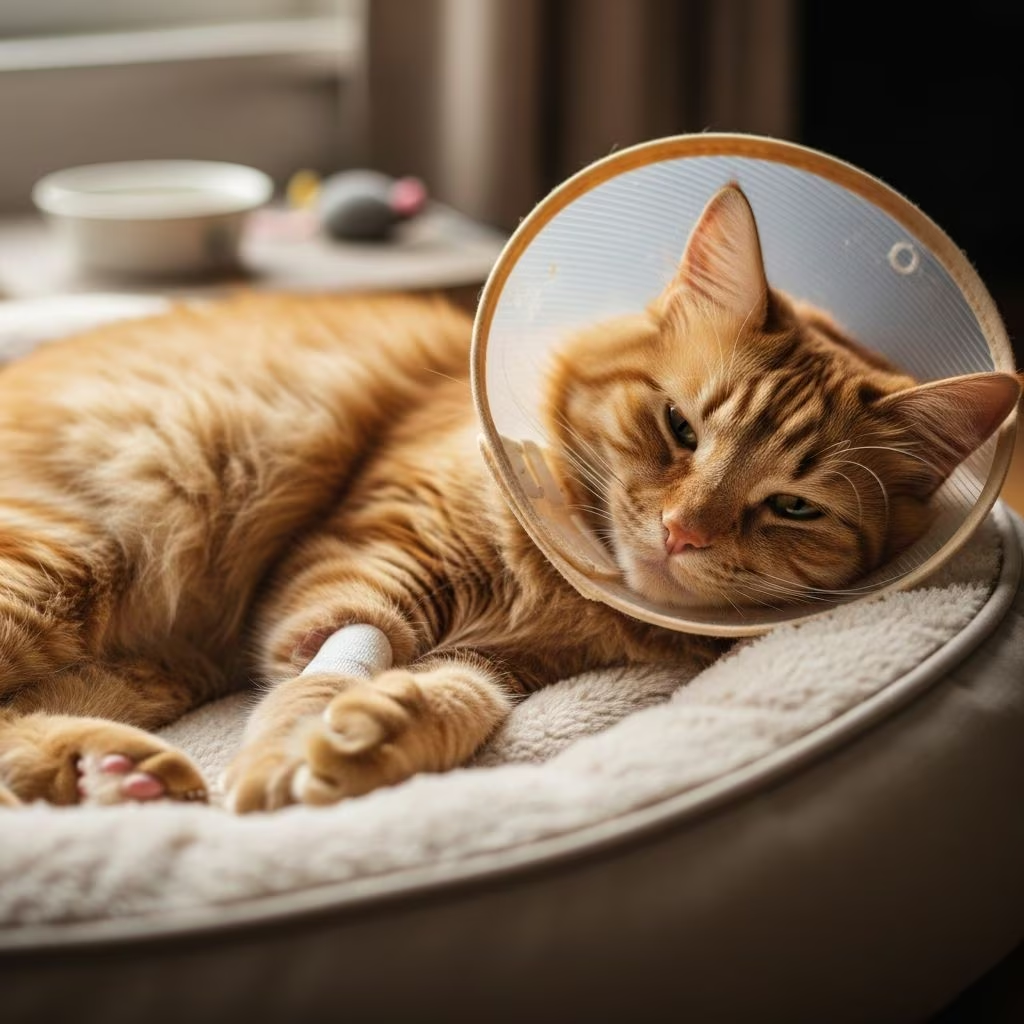
Declawing cats involves surgical removal of the last bone in each toe, akin to amputating the tip of a human finger. Proper aftercare is crucial for minimizing pain, preventing infections, and promoting healing, typically spanning 2-6 weeks depending on the cat’s age and size.
Understanding the Declaw Procedure Basics
The standard declaw, or onychectomy, severs the toe’s distal phalanx containing the claw, while alternatives like laser declawing use heat to seal tissues, often reducing bleeding and postoperative discomfort. Front paws are usually the focus, as rear claws aid balance, and declawed cats must remain indoors permanently to avoid risks. Post-surgery, cats receive pain injections lasting 24 hours, nerve blocks for 4-6 hours, and oral medications for days afterward. Overnight hospitalization allows monitoring for complications like bleeding.
Immediate Post-Surgery Home Preparation
Upon discharge, create a quiet, confined space such as a small room or carrier lined with soft towels to limit jumping and climbing, which could reopen incisions. Expect altered behavior like drowsiness, shivering, or irritability from anesthesia for 24 hours. Provide easy access to food, water, and a low-sided litter box filled with approved materials.
- Stock up on pain meds as prescribed—administer the first dose promptly.
- Prepare a recovery area away from high surfaces.
- Gather non-clumping litter options in advance.
Bandage Management and Removal
Cats return home with paw wraps to control bleeding. The morning after surgery, after giving pain medication, remove bandages by loosening the top white tape and sliding them off like socks—never cut with scissors to avoid skin injury. If wraps detach prematurely, confine the cat and expect minor spotting that should cease with rest. Green or blue glue on toes is normal skin adhesive sealing incisions.
| Step | Timing | Instructions |
|---|---|---|
| 1. Pain med dose | Morning post-op | Give as directed |
| 2. Wait | 20 minutes | Allow absorption |
| 3. Remove wrap | After wait | Pull like sock |
Choosing the Right Litter During Recovery
Avoid clumping, sandy, or abrasive litters for 7-14 days, as particles irritate healing paws, risking infection or dehiscence. Opt for shredded paper, Yesterday’s News pellets, or crystal litter, which are soft and non-stick. Transition back gradually once paws toughen, monitoring for sensitivity.
- Shredded newspaper: Free, absorbent option.
- Yesterday’s News: Recycled paper pellets, widely available.
- Crystal litter: Low-dust alternative for longer use.
Pain Control and Medication Protocols
Pain management starts intraoperatively with injections and blocks, continuing via oral drugs for several days. Administer exactly as prescribed; cats mask pain, so don’t skip doses even if they seem fine. Signs of inadequate relief include excessive limping, hiding, or aggression. Contact your vet for adjustments rather than over-the-counter remedies unsafe for felines.
Daily Paw Monitoring Essentials
Inspect toes twice daily for swelling, redness, discharge, or foul odor—keep paws dry and clean. Limping beyond 3-5 days warrants a vet call, as larger or older cats heal slower. Reluctance to walk or litter avoidance signals issues; minor swelling is expected initially but should subside.
- Normal: Mild swelling, blue/green glue, hopping gait first days.
- Abnormal: Pus, excessive bleeding, persistent lameness.
Activity Restrictions for Optimal Healing
Confine to prevent jumps that pressure paws, potentially causing bleeding or delayed healing. Use baby gates or crates; discourage play chasing. Full recovery sees normal walking in 2-6 weeks, faster in kittens. Scar tissue may cause lifelong tenderness, altering gait slightly.
Nutrition and Hydration Support
Offer small, frequent soft food meals to ease eating without paw strain. Ensure fresh water near the recovery spot; dehydration slows healing. Appetite may dip initially but should normalize within days—consult vets if prolonged.
Potential Complications and When to Seek Help
Infections, dehiscence, or phantom limb pain can arise. Call immediately for profuse bleeding, non-weight-bearing lameness, or fever. Clinics often offer free post-op checks. AVMA notes alternatives like nail caps or trims prevent scratching without surgery.
| Complication | Signs | Action |
|---|---|---|
| Infection | Discharge, heat, odor | Vet visit, possible antibiotics |
| Bleeding | Spotting >24h, soaking | Confine, re-bandage, call vet |
| Lameness | >3-5 days | Schedule exam |
Long-Term Adjustments for Declawed Cats
Post-recovery, provide scratching posts for behavioral outlet, as instincts persist. Indoor-only lifestyle prevents injuries. Regular paw checks detect issues early; some cats adapt seamlessly, others need ramps for furniture. AVMA recommends non-surgical options first: trims every 1-2 weeks or vinyl caps renewed monthly.
Alternatives to Declawing Explored
Before surgery, try training with posts, trims, or caps like Soft Paws, which cover claws without altering behavior. Tendonectomy shortens flexor tendons, reversible but less common. Laser methods offer quicker recovery sans bandages. Weigh pros like reduced furniture damage against cons including pain and behavioral shifts.
Frequently Asked Questions
How long until my cat walks normally after declawing?
Most heal in 2-6 weeks; kittens faster, seniors slower.
Can I use regular litter right away?
No, stick to paper or pellets for 10-14 days to protect paws.
What if bandages fall off early?
Confine cat, monitor bleeding; it usually stops with rest.
Is pain medication necessary?
Yes, multi-modal approach prevents suffering and aids healing.
Should declawed cats go outside?
No, strictly indoors to safeguard paws.
Emotional Support for Cats and Owners
Cats may become withdrawn; offer gentle petting and pheromone diffusers. Owners often worry—education reduces stress. Join forums for shared experiences, but vet advice trumps anecdotes.
References
- Declaw Aftercare Instructions — Spay Neuter Clinic. Accessed 2026. https://www.spayaz.com/declaw-aftercare-instructions/
- Declawing Your Cat — Bourbon Veterinary Hospital. Accessed 2026. https://www.bourbonvet.com/declaw
- Declaw Aftercare — Victoria Animal Hospital. 2026. https://www.victoriaanimalhospital.com/storage/app/media/declaw-aftercare.pdf
- Declaw Aftercare Instructions — Capital City Spay and Neuter Clinic. Accessed 2026. https://capitalcityspayandneuter.com/pdf/Declaw_Aftercare_Instructions.pdf
- Post Declaw Home Care Instructions — GS Veterinary Hospital. Accessed 2026. https://gsveterinaryhospital.com/wp-content/uploads/Declewa-Discharge.pdf
- Declawing of Domestic Cats — American Veterinary Medical Association (AVMA). 2019-07-23. https://www.avma.org/sites/default/files/resources/declawing_bgnd.pdf



