

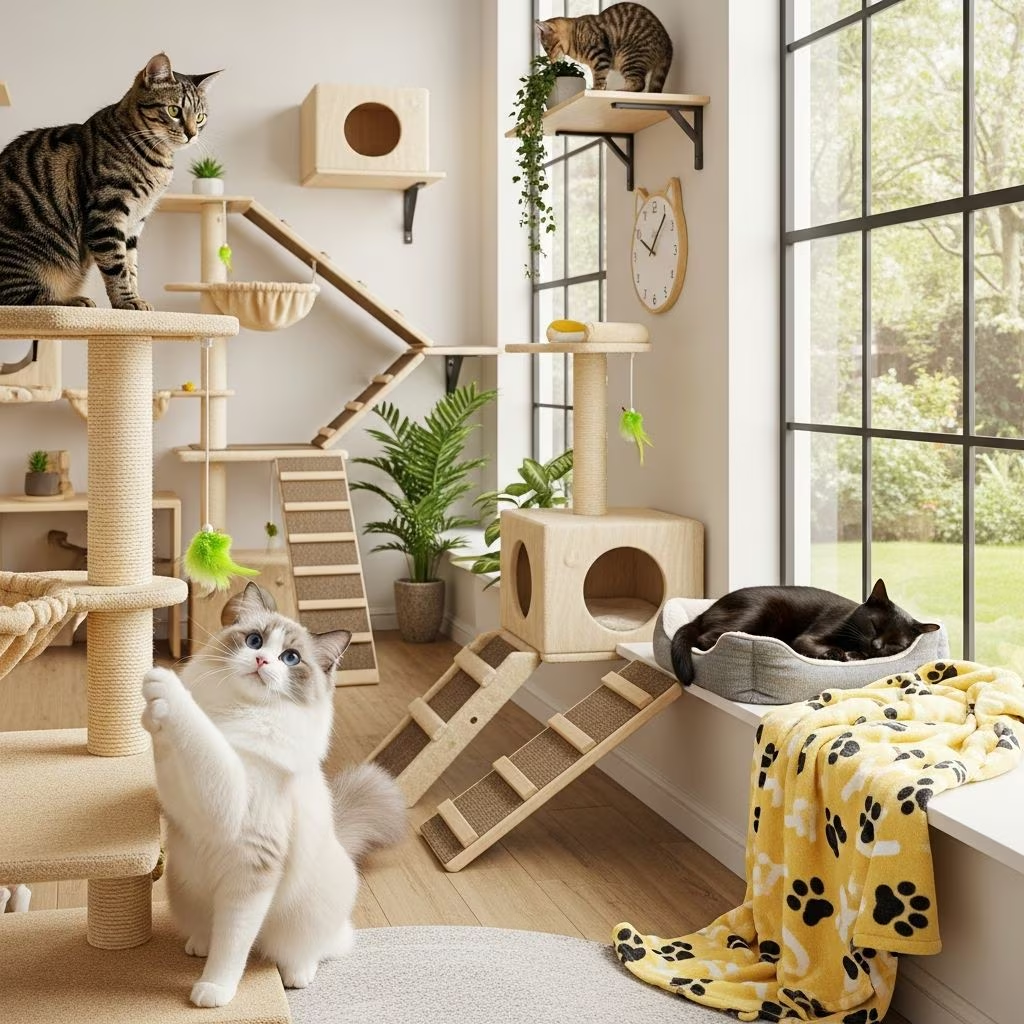
Understanding Cat Daycare and Its Role in Modern Pet Care
Cat daycare has emerged as a viable option for pet owners seeking professional care solutions during their work hours or extended daily commitments. Unlike traditional boarding facilities that typically accommodate overnight stays, daycare centers focus on providing supervised activities and social interaction during daytime hours. This care model addresses a common concern among cat owners: ensuring their feline companions receive adequate stimulation and attention while owners are away from home.
The concept of feline daycare differs significantly from canine daycare programs. While dog daycare centers have become widespread in many communities, cat daycare facilities remain less common, creating a gap in available services for cat owners seeking alternatives to leaving their pets alone during the day. Understanding what daycare entails, how it functions, and whether it suits your specific situation requires careful consideration of multiple factors.
How Cat Daycare Facilities Operate
Professional cat daycare centers typically operate during standard business hours, with staff providing supervision, feeding, playtime, and litter box maintenance throughout the day. These facilities create controlled environments designed to accommodate feline behavioral needs while promoting positive social experiences.
The operational structure of quality daycare centers includes:
- Scheduled feeding times aligned with your cat’s dietary requirements
- Regular litter box cleaning and maintenance
- Supervised playtime and enrichment activities appropriate for individual cats
- Socialization opportunities with compatible feline companions
- Professional staff trained in feline behavior and health recognition
- Daily communication with owners regarding their cat’s activities and well-being
- Secure facilities with appropriate safety measures and health protocols
Modern facilities recognize that cats have distinct preferences regarding social interaction and environmental stimulation. Professional caregivers assess each cat’s personality and temperament to provide appropriate levels of engagement, recognizing that some cats thrive in social settings while others prefer quieter, more independent experiences.
Primary Advantages of Professional Daycare Services
Daycare facilities offer numerous benefits for cats whose owners maintain busy schedules or face extended periods away from home. The primary advantages extend beyond simple pet supervision to include meaningful enrichment and behavioral support.
Mental Stimulation and Enrichment
Cats require environmental enrichment to maintain mental health and prevent behavioral problems associated with boredom and isolation. Daycare centers provide diverse activities including interactive toys, climbing structures, and puzzle feeders that engage your cat’s natural hunting instincts and problem-solving abilities. This structured engagement helps prevent destructive behaviors that often develop when indoor cats lack sufficient stimulation during long periods alone.
Socialization Opportunities
For social cats, daycare provides controlled exposure to other felines and human interaction. Cats are often perceived as solitary creatures, yet many enjoy social contact when properly introduced and managed. Professional staff facilitate these interactions carefully, ensuring that social time remains positive and stress-free. This socialization can be particularly valuable for younger cats developing social skills or for social adult cats preventing loneliness during owner absence.
Structured Routine and Professional Supervision
Daycare facilities establish consistent daily routines with scheduled activities, feeding times, and rest periods. This structured environment provides stability and predictability that many cats appreciate. Professional caregivers trained in feline behavior can identify health concerns, medication needs, and behavioral changes more readily than pets left unsupervised at home.
Peace of Mind for Owners
Knowing that your cat receives professional care, regular monitoring, and engaging activities provides significant peace of mind. Many facilities offer updates throughout the day, allowing owners to check on their cats and maintain connection despite their physical absence.
Important Considerations and Potential Drawbacks
While daycare offers genuine benefits for many cats and their owners, significant drawbacks deserve thoughtful consideration before enrolling your feline companion.
Stress and Adjustment Challenges
Many cats experience stress when exposed to unfamiliar environments, new people, and unfamiliar animals. The sensory stimulation inherent in group settings—including noise, activity, and the presence of other cats—can overwhelm sensitive or anxious cats. Cats generally require extended acclimation periods to adjust to new surroundings, and short-term or sporadic daycare visits may not allow adequate time for this adjustment process. The stress of transportation to and from the facility, combined with exposure to an unfamiliar environment, can create anxiety that outweighs any benefits, particularly for shy or reserved cats.
Health and Disease Transmission Risks
Group environments present inherent disease transmission risks regardless of facility cleanliness and health protocols. Cats exposed to multiple other felines face increased vulnerability to contagious conditions including upper respiratory infections and other communicable diseases. Even facilities with strict vaccination requirements and preventive measures cannot completely eliminate transmission risk, particularly during high-occupancy periods.
Limited Availability and Accessibility
Cat daycare facilities remain considerably less prevalent than dog daycare centers in many geographic areas. Limited availability may make finding a suitable facility challenging, particularly in suburban or rural communities. Even in areas with available services, scheduling constraints or facility policies may not align with your specific needs.
Individual Attention Limitations
While professional caregivers genuinely care for their charges, the reality of managing multiple cats simultaneously means personalized attention remains limited compared to in-home care options. During periods when the facility operates at full capacity, individual cats may receive only minimal one-on-one interaction.
Behavioral Complications
Cats that react negatively to unfamiliar environments or social situations may develop lasting anxiety, aggression, or behavioral problems following negative daycare experiences. Some cats may become reluctant to enter carriers or resist future attempts at separation from their owners.
Evaluating Whether Daycare Suits Your Cat
Determining whether daycare represents an appropriate choice requires honest assessment of your cat’s personality, health status, and specific needs.
Personality and Temperament Assessment
Outgoing, social cats that naturally enjoy human interaction and remain calm in unfamiliar environments are generally better candidates for daycare than anxious, shy, or territorial cats. Consider your cat’s history with visits to veterinary clinics, transportation in carriers, and reactions to new people and environments. Cats that display signs of severe anxiety, aggression, or stress-related health issues may experience negative effects from daycare exposure.
Health Status Evaluation
Cats with underlying health conditions, particularly those affecting immune function, respiratory systems, or digestive health, should be carefully evaluated before daycare enrollment. Senior cats and those with medical conditions may face amplified stress responses and disease transmission risks.
Trial Periods and Gradual Introduction
Before committing to regular daycare, request trial visits of progressively longer duration. Carefully observe your cat’s behavior during and after these trial experiences, noting stress indicators including reduced appetite, litter box issues, or behavioral changes. Initial anxiety is normal and expected; however, persistent anxiety extending beyond several days may indicate unsuitability for this care option.
Selecting a Quality Daycare Facility
When daycare appears appropriate for your cat, careful facility selection becomes paramount to ensuring quality care and minimizing risks.
| Evaluation Criteria | What to Look For |
|---|---|
| Health Protocols | Vaccination requirements, health screening procedures, illness policies, disease prevention measures, and documentation of preventive care |
| Facility Environment | Clean conditions, adequate ventilation, separate spaces for different activity levels, quiet areas for rest, and secure enclosures |
| Staff Qualifications | Formal training in feline behavior and care, CPR/first aid certification, experience with various cat temperaments, and demonstrated passion for feline welfare |
| Enrichment Programs | Variety of appropriate toys and climbing structures, interactive play tailored to individual cats, and mental stimulation activities |
| Customized Care Plans | Individual assessment of each cat’s needs, specialized attention for dietary requirements or medications, and flexibility in activity level |
| Communication Standards | Regular updates, accessibility for questions, documentation of daily activities, and transparency about your cat’s behavior and welfare |
| Safety Measures | Secure doors and windows, proper identification systems, escape prevention protocols, and documented safety policies |
Visit potential facilities in person, observing the environment, staff interactions with cats, cleanliness standards, and overall operations. Speak directly with caregivers about their approach to feline welfare, stress reduction, and individual attention. Request references from current clients and inquire about their experiences. Trust your instincts regarding facility quality and your comfort level with leaving your cat in their care.
Alternative Care Options and Comparison
Before finalizing daycare enrollment, consider alternative care solutions that may better suit your cat’s needs and your circumstances.
In-Home Pet Sitting Services
Professional pet sitters visit your home to provide care in your cat’s familiar environment. This option eliminates transportation stress, environmental adjustment challenges, and disease transmission risks. Sitters can provide personalized care addressing your cat’s specific needs, preferences, and medical requirements. The primary drawback involves inviting a stranger into your home and potential inability to locate reliable sitters during peak travel seasons.
Overnight Boarding Facilities
Traditional boarding services provide continuous care for overnight stays or extended absences. While suitable for longer trips, overnight boarding subjects cats to the same environmental stress and disease transmission risks as daycare with extended duration. Facilities vary considerably in quality and approach to feline welfare.
Hybrid Models and Drop-In Services
Some facilities offer flexible drop-in visits or combination models incorporating both in-home and facility-based care. These options provide flexibility for varying schedules while potentially reducing stress through shorter facility exposure periods.
Preparing Your Cat for Daycare Success
If you determine that daycare suits your cat and have selected an appropriate facility, proper preparation facilitates better adaptation and more positive experiences.
Pre-Enrollment Preparation
- Ensure current vaccinations and health screening before enrollment
- Provide detailed information about your cat’s dietary needs, preferences, and any medical requirements
- Share comprehensive behavioral information, triggers, and comfort preferences
- Practice carrier training to reduce transportation stress
- Arrange trial visits with progressively extended durations
- Discuss any anxiety or behavioral concerns with facility staff and veterinarian
- Provide familiar scented items or comfort objects if facility permits
Ongoing Management
Maintain consistent home routines despite daycare enrollment. Monitor your cat’s behavior, appetite, litter box habits, and overall health, reporting any concerning changes to both your veterinarian and facility staff. Request regular updates and feedback regarding your cat’s adjustment and experiences.
Frequently Asked Questions
At what age can kittens begin attending daycare?
Most facilities recommend waiting until kittens are fully vaccinated and have completed their vaccination series. This typically occurs around 16 weeks of age, though specific requirements vary by facility. Consult your veterinarian and the facility regarding age-appropriate enrollment.
How much does cat daycare typically cost?
Pricing varies significantly based on geographic location, facility quality, included services, and frequency of visits. Costs generally range considerably, with variation between in-home pet sitting and facility-based daycare services.
Can cats with special dietary needs attend daycare?
Quality facilities accommodate special dietary needs including prescription diets, feeding schedules, and specific nutritional requirements. Ensure detailed discussion of dietary needs when enrolling and provide all necessary food and preparation instructions.
What should I do if my cat shows signs of stress from daycare?
If your cat displays persistent signs of stress—including reduced appetite, behavioral changes, or litter box issues—beyond the initial adjustment period, discontinue daycare and explore alternative care options. Consult your veterinarian to rule out health issues contributing to your cat’s stress response.
How often should my cat attend daycare?
Frequency depends on your cat’s individual needs, adjustment level, and your schedule. Some cats benefit from regular weekly attendance while others do better with occasional visits. Work with facility staff and observe your cat’s responses to determine optimal frequency.
Making Your Final Decision
The decision to enroll your cat in daycare represents a significant choice affecting your cat’s daily experience and well-being. This determination should reflect careful consideration of your cat’s personality, health status, specific needs, and available alternatives. While daycare offers genuine benefits including enrichment, socialization, and professional supervision for appropriate cats, it presents legitimate concerns regarding stress, disease transmission, and individual attention limitations for others.
An ideal care solution prioritizes your cat’s physical health, emotional well-being, and behavioral stability while accommodating your specific circumstances and schedule constraints. Whether daycare, in-home sitting, or alternative arrangements best serve your situation ultimately depends on thoroughly understanding both your cat’s unique requirements and the characteristics of available care options in your community.
References
- Pet Boarding Options — 24PetWatch. Accessed February 2026. https://www.24petwatch.com/ca/blog/pet-boarding-options
- Long-Term Cat Boarding Services: What Are The Pros and Cons — Pampered Paws Singapore. Accessed February 2026. https://pamperedpaws.sg/blog/cats-and-dogs/long-term-cat-boarding-services-what-are-the-pros-and-cons
- The Pros and Cons of Cat Sitting VS a Cat Hotel — Happy Rolling Cat Boarding. Accessed February 2026. https://www.happyrollingcatboarding.com/post/the-pros-and-cons-of-cat-sitting-vs-a-cat-hotel
- What is Cat Boarding? Everything Owners Need to Know — MyPawland. Accessed February 2026. https://mypawland.com/what-is-cat-boarding/
- Cat Boarding Blues: Why Boarding Can Be Bad for Cats — Cat in a Flat. Accessed February 2026. https://catinaflat.co.uk/blog/why-boarding-can-be-bad-for-cats
- Cat Boarding: How Modern Facilities Reduce Stress and Keep Cats Happy — Country Creek Veterinary Clinic. Accessed February 2026. https://www.countrycreekvets.com/cat-boarding-how-modern-facilities-reduce-stress-and-keep-cats-happy



