

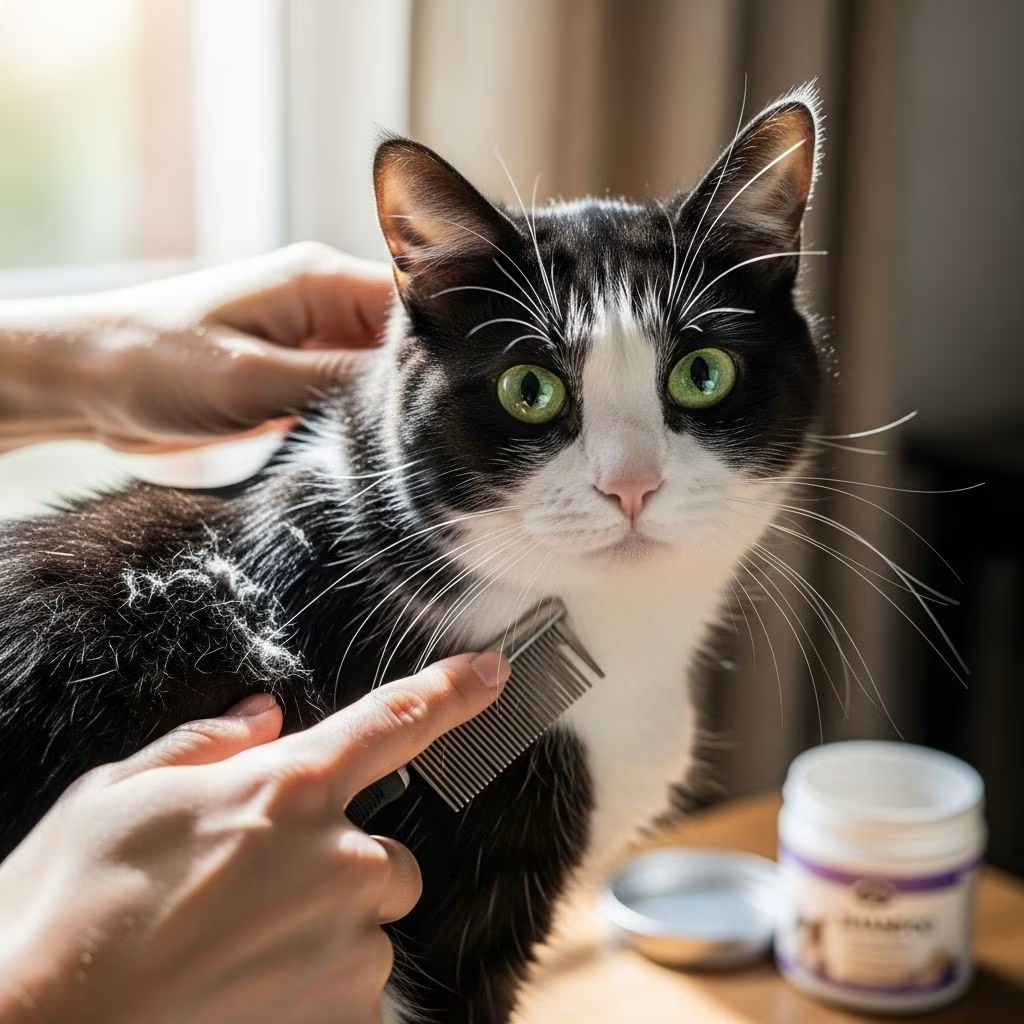
Dandruff in cats appears as white, flaky particles visible in the fur or on your furniture and bedding. While many pet owners assume dandruff is purely cosmetic, it often signals underlying health concerns that deserve attention. Unlike occasional shedding, persistent dandruff indicates your cat’s skin requires intervention. This guide explores the root causes of feline dandruff, helps you identify warning signs, and provides practical solutions for restoring your cat’s skin and coat health.
Recognizing Dandruff Symptoms and Physical Indicators
Visible flaking represents just one aspect of dandruff in cats. A comprehensive evaluation includes observing your cat’s overall behavior and physical appearance. When dandruff develops, you may notice increased scratching or licking as your cat responds to skin irritation and discomfort. The skin beneath the flakes might appear red or inflamed, suggesting inflammation rather than simple dryness.
Additional physical signs warrant veterinary evaluation. Hair loss in patches, particularly combined with scratching, may indicate parasitic infestations or fungal infections rather than simple dry skin. Some cats develop a dull, lackluster coat appearance alongside dandruff, signaling nutritional deficiencies or systemic health issues. Changes in grooming behavior—either excessive grooming or noticeable neglect—can also accompany dandruff development.
Primary Causes of Feline Skin Flaking
Environmental and Climatic Factors
Indoor heating systems during winter months dramatically reduce humidity levels, potentially drying out your cat’s skin. Cats living in naturally arid climates or homes with poor moisture retention face similar challenges. The skin loses its natural elasticity when environmental humidity drops below optimal levels, leading to flaking and irritation. Cold seasons compound this issue, as both outdoor temperature fluctuations and indoor heating create conditions favoring dryness.
Hydration Deficits and Dietary Inadequacies
Cats consuming primarily dry kibble often struggle to maintain adequate hydration levels. Unlike their wild ancestors who obtain significant moisture from prey, domestic cats may not drink sufficient water to compensate for moisture lost through kibble-only diets. This insufficient fluid intake directly impacts skin health, as proper hydration maintains skin elasticity and supports the natural protective barrier.
Nutritional composition significantly influences coat and skin condition. Diets lacking high-quality proteins, essential amino acids, or omega-3 fatty acids compromise skin integrity. These vital nutrients support skin cell regeneration and maintain the protective oil layer that prevents excessive moisture loss. Cats receiving low-quality commercial foods may exhibit dandruff as their bodies lack the nutritional building blocks for healthy skin renewal.
Parasitic Infestations
External parasites including fleas, mites, and lice create skin irritation that frequently manifests as dandruff. Cheyletiella mites earn the common name “walking dandruff” because they visually mimic the condition while causing significant discomfort. Beyond the visible flaking, parasitic infestations trigger inflammatory responses that damage the skin barrier and disrupt normal skin cell turnover.
Infectious Skin Conditions
Bacterial and fungal infections represent serious causes requiring immediate veterinary attention. Ringworm, a fungal infection despite its name, produces flaky, irritated patches alongside potential hair loss and scabbing. These infections spread to other pets and humans, making prompt diagnosis and treatment critical. Bacterial infections similarly damage skin integrity and require antimicrobial intervention.
Reduced Grooming Capacity
Senior cats, those with arthritis, overweight individuals, and cats experiencing pain struggle to reach all body areas during grooming. This inability to self-groom results in oil and dead skin cell accumulation, creating conditions favorable for dandruff development. Dental disease causing pain also reduces grooming frequency as cats avoid activities causing discomfort.
Allergic Reactions
Both food and environmental allergens trigger skin reactions in susceptible cats. Pollen, dust mites, household cleaning products, and specific food ingredients provoke inflammatory responses manifesting as itching, scratching, and flaking. Allergic cats often display seasonal patterns or year-round symptoms depending on allergen exposure.
Stress and Behavioral Factors
Psychological stress disrupts normal grooming patterns and skin health. Stressed cats either cease grooming entirely or engage in excessive licking and scratching. Environmental changes, new pets, moving, or disrupted routines trigger stress responses affecting coat condition. The skin-stress connection in felines mirrors similar patterns observed in other animals.
Treatment Approaches and Intervention Strategies
Professional Veterinary Evaluation
Before implementing any treatment, veterinary examination establishes the underlying cause. Veterinarians perform diagnostic tests including skin scrapings, fungal cultures, and blood work to identify parasites, infections, and systemic conditions. This diagnostic foundation ensures treatments target root causes rather than addressing symptoms superficially. Some conditions like allergies require long-term management plans adjusting over time as symptoms evolve.
Topical and Medicated Solutions
Specialized shampoos formulated for cats with dry, flaky skin provide temporary relief and support skin healing. These products differ significantly from standard cat shampoos, containing ingredients that soothe irritation and remove accumulated flakes without stripping natural oils. Veterinary-recommended conditioners restore moisture and protect against further drying. Topical treatments should only be applied as directed by your veterinarian, as improper use may worsen skin conditions.
Pharmaceutical Interventions
Fungal and bacterial infections require prescription medications. Antifungal treatments combat ringworm and similar infections, while antibiotics address bacterial superinfections. Antiparasitic medications eliminate fleas, mites, and other external parasites causing skin irritation. Allergy management may involve antihistamines, steroids, or immunotherapy depending on allergen type and severity. Weight management medications help overweight cats achieve healthier body conditions supporting improved grooming capacity.
Dietary Modifications and Supplementation
Upgrading to high-quality, protein-rich diets provides nutritional building blocks for skin repair. Fish oil and omega-3 fatty acid supplements specifically designed for cats improve skin elasticity and reduce inflammation. Hydration supplements encourage water intake in cats resistant to drinking plain water. Your veterinarian can recommend specific dietary changes or prescription diets formulated for skin health, particularly useful for cats with food sensitivities.
Environmental Adjustments
Humidifiers counteract dry indoor air during winter months, restoring atmospheric moisture that supports skin hydration. Maintaining relative humidity between 40-60% creates optimal conditions for skin health. Cats consuming dry kibble benefit from moisture additions including wet food portions or tuna water poured over dry food, increasing overall fluid intake.
Grooming Support
Regular brushing distributes natural skin oils throughout the coat, removes dead skin cells and accumulated flakes, and prevents matting that pulls on skin. Cats with mobility limitations require human assistance with grooming, especially focusing on areas they cannot reach independently. Professional grooming services provide thorough cleaning and assessment by trained groomers familiar with feline skin conditions.
Practical Management Comparison Table
| Management Approach | Primary Purpose | Timeline for Results | Cost Range |
|---|---|---|---|
| Humidifier Use | Address environmental dryness | 1-2 weeks | Low |
| Dietary Upgrades | Improve nutritional foundation | 4-8 weeks | Moderate |
| Omega-3 Supplements | Support skin barrier function | 2-4 weeks | Low to Moderate |
| Medicated Shampoos | Reduce flaking and irritation | 1-2 weeks | Moderate |
| Prescription Medications | Treat infections and parasites | 1-4 weeks | Moderate to High |
| Regular Brushing | Support natural oil distribution | Ongoing improvement | Low |
Prevention Strategies for Long-Term Skin Health
Consistent parasite prevention through monthly treatments eliminates a major dandruff cause. Year-round parasite control proves more effective than seasonal application, as indoor parasites persist regardless of outdoor temperatures. Most veterinarians recommend prescription parasite preventatives offering superior protection compared to over-the-counter products.
Maintaining optimal body weight supports cats’ grooming capacity and overall skin health. Overweight cats cannot reach all body areas during grooming, leading to accumulation of oils and dead skin cells. Weight management through portion control and appropriate nutrition prevents this common dandruff trigger.
Stress reduction through environmental enrichment, predictable routines, and appropriate resources improves overall health and grooming behavior. Providing adequate hiding spaces, vertical territory, and interactive play maintains psychological wellness supporting normal grooming patterns.
Regular brushing—even brief daily sessions—becomes preventive care rather than treatment. This practice maintains coat health, allows early detection of skin changes, and strengthens the human-animal bond. Cats accustomed to brushing from an early age typically tolerate and even enjoy grooming sessions.
Frequently Asked Questions About Feline Dandruff
How often should I bathe a cat with dandruff?
Frequent bathing strips natural oils and worsens dryness. Most veterinarians recommend bathing dandruff-prone cats only when specifically directed, typically biweekly at most when using medicated shampoos. Between baths, regular brushing provides benefits without the drying effects of shampoo and water exposure.
Can dandruff indicate serious health conditions?
While often simple dry skin, dandruff occasionally signals serious conditions including infections, parasites, hormonal imbalances, or autoimmune diseases. This possibility underscores the importance of veterinary evaluation rather than assuming minor cosmetic concerns.
Is cat dandruff contagious to humans?
Most cat dandruff causes pose no human transmission risk. However, fungal infections like ringworm spread between cats and humans, requiring careful hygiene and treatment. This risk makes prompt veterinary diagnosis essential.
What diet improvements help most with dandruff?
High-quality, protein-rich diets with omega-3 supplementation provide the most significant nutritional support. Adding wet food to kibble-based diets increases moisture intake. Your veterinarian can identify specific dietary components your cat may be lacking.
How long does dandruff treatment typically require?
Timeline varies dramatically based on underlying cause. Environmental adjustments may show results within weeks, while allergic conditions require months of management to see consistent improvement. Infections typically respond to medication within 2-4 weeks, though some require extended treatment.
Conclusion: Supporting Your Cat’s Skin Health
Cat dandruff demands attention beyond surface-level flake removal. Understanding that dandruff signals underlying imbalances—whether environmental, nutritional, parasitic, or pathological—guides appropriate intervention. Successful management combines veterinary guidance with environmental adjustments, dietary improvements, and consistent grooming support. Each cat’s dandruff story differs, requiring personalized approaches addressing their unique circumstances. By treating dandruff seriously and working collaboratively with your veterinarian, you restore not only skin appearance but also your cat’s overall comfort and wellbeing.
References
- Why Does My Cat Have Dandruff — North Jersey Animal Hospital. 2024. https://northjerseyanimalhospital.com/blog/cat-dandruff/
- Cat Dandruff Causes & Remedies — Stella & Chewy’s. 2024. https://www.stellaandchewys.com/blogs/articles/treating-cat-dandruff
- Cat dandruff — Cats Protection. 2024. https://www.cats.org.uk/cats-blog/can-cats-get-dandruff
- What to do if your cat has dandruff or dry skin — Vetster. 2024. https://vetster.com/en/wellness/what-to-do-if-your-cat-has-dandruff-or-dry-skin
- How Do You Get Rid of Cat Dandruff? — Purina US. 2024. https://www.purina.com/articles/cat/health/symptoms/cat-dandruff
- What to Know About Dandruff in Cats — WebMD. 2024. https://www.webmd.com/pets/cats/what-to-know-dandruff-cats



