

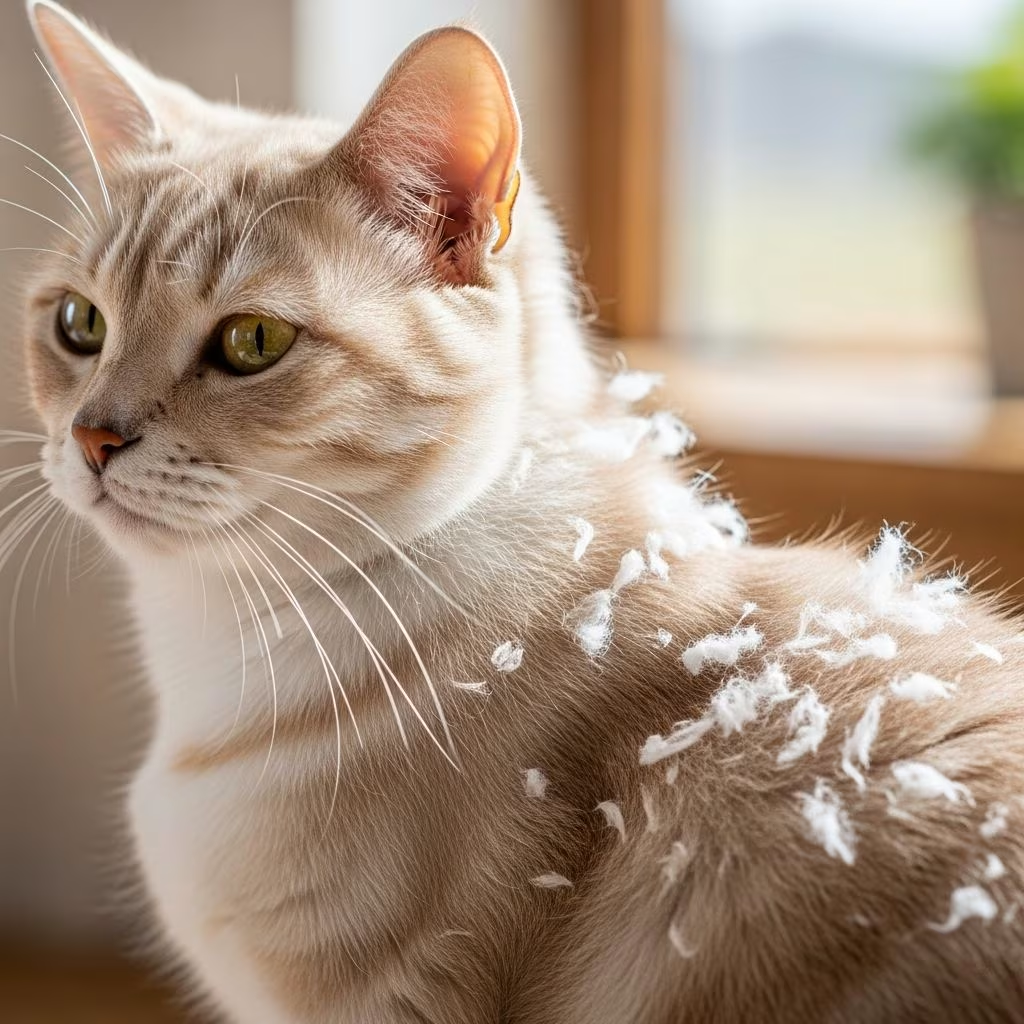
Flaky white specks on your cat’s fur can signal more than just a messy coat. Cat dandruff often stems from underlying skin issues that affect comfort and health. Understanding the triggers and remedies helps restore your pet’s smooth, shiny appearance.
Recognizing Dandruff in Cats
Dandruff appears as visible white flakes scattered across a cat’s back, tail, or base of the tail. Unlike human dandruff, feline flakes result from excessive shedding of dead skin cells due to dryness or irritation. Normal shedding is minimal, but noticeable buildup warrants attention.
- Visible flakes: White or grayish particles that shake off easily during petting.
- Dull coat: Loss of natural luster, often paired with roughness.
- Excessive shedding: More fur loss than usual, especially in hard-to-reach areas.
These signs differ from dirt; dandruff clings to fur and persists after brushing. Early detection prevents escalation to itchiness or bald spots.
Primary Causes of Feline Skin Flakes
Multiple factors contribute to dandruff formation. Environmental, dietary, and medical issues disrupt the skin’s natural barrier, leading to flakiness.
Dry Environmental Conditions
Low humidity, especially in heated indoor spaces during colder months, dries out a cat’s skin. Cats with limited water intake or exclusive dry food diets face heightened risk as dehydration reduces skin moisture.
Inadequate Self-Grooming
Cats maintain coat health through grooming, but conditions like obesity, arthritis, or dental pain hinder this. Resulting oil and dead cell accumulation manifests as flakes, particularly on the back and lower back.
Parasitic Infestations
Fleas, mites (including Cheyletiella or ‘walking dandruff’), lice, and ticks irritate skin, prompting excessive cell turnover. These parasites cause intense itching and visible movement in flakes under magnification.
Allergic Reactions and Infections
Food or environmental allergens (pollen, dust) trigger inflammation. Bacterial, fungal (ringworm), or yeast infections exacerbate flaking with redness and hair loss. Hormonal imbalances like hyperthyroidism or diabetes also play roles.
Nutritional Shortfalls
Diets lacking omega-3/6 fatty acids, quality proteins, or hydration lead to poor skin integrity. Kibble-only feeding often contributes via chronic low moisture.
| Cause Category | Common Examples | Associated Symptoms |
|---|---|---|
| Environmental | Low humidity, dry air | Dry coat, no itching |
| Grooming Issues | Obesity, arthritis | Flakes on back/tail, greasy fur |
| Parasites | Fleas, mites | Itching, moving flakes |
| Allergies/Infections | Food allergy, ringworm | Redness, hair loss, scabs |
| Dietary | Low-fat food, dehydration | Dull fur, patchy flaking |
Health Risks Linked to Persistent Dandruff
Beyond aesthetics, untreated dandruff signals deeper problems. Chronic irritation leads to secondary infections, while underlying diseases like kidney issues or cancer may surface as coat decline. Parasites spread easily to other pets or humans, especially Cheyletiella.
Senior cats or breeds like Persians face higher risks due to seborrhea or mobility limits. Prompt intervention maintains quality of life.
Step-by-Step Diagnosis Process
Veterinarians diagnose via physical exams, skin scrapings, fungal cultures, or allergy tests. Observe your cat for:
- Scratching frequency
- Skin redness or sores
- Behavioral changes like lethargy
- Appetite or weight shifts
Rule out systemic illnesses through bloodwork if grooming or diet tweaks fail.
Effective Treatment Strategies
Tailor treatments to root causes for optimal results. Always consult a vet before starting.
Environmental and Home Adjustments
Boost humidity with humidifiers. Encourage hydration via wet food fountains or flavored water. Regular brushing removes flakes and distributes oils.
Dietary Interventions
Switch to high-quality, omega-enriched foods. Supplements with fish oil reduce inflammation and support skin barrier function. Add wet food for moisture.
Topical and Medicated Options
Cat-safe medicated shampoos hydrate and soothe. For infections, oral antifungals or antibiotics apply. Parasite preventives (monthly topicals/orals) are essential.
Professional Grooming Support
Groomers handle hard-to-reach areas for obese or arthritic cats. Occasional hypoallergenic baths prevent oil buildup.
- Assess severity and vet consult.
- Implement diet/hydration changes immediately.
- Apply preventives and monitor weekly.
- Follow up with recheck in 2-4 weeks.
Preventive Measures for Long-Term Skin Health
Proactive care minimizes recurrence:
- Consistent parasite control year-round.
- Balanced nutrition with fatty acids.
- Weekly brushing sessions.
- Annual vet checkups for early detection.
- Weight management through play and portion control.
Maintain indoor humidity above 40% and offer varied water sources.
Common Myths About Cat Dandruff
Myth 1: Dandruff is just cosmetic. Reality: It often indicates health issues needing address.
Myth 2: Human shampoos work fine. Reality: They disrupt pH balance, worsening irritation.
Myth 3: All flakes mean mites. Reality: Multiple causes exist; vet confirmation required.
Frequently Asked Questions (FAQs)
Is cat dandruff contagious?
Most types aren’t, but Cheyletiella mites spread to pets/humans. Isolate and treat promptly.
Can diet alone fix dandruff?
It helps mild cases but won’t resolve infections/parasites. Combine with vet advice.
How often should I bathe a dandruff-prone cat?
Every 2-4 weeks with vet-recommended products; overbathing dries skin further.
Do hairless cats get dandruff?
Yes, they’re prone due to exposed skin sensitivity.
When is dandruff an emergency?
If accompanied by lethargy, wounds, or rapid hair loss, seek immediate care.
Conclusion: Empower Your Cat’s Skin Wellness
Addressing dandruff holistically through vet guidance, nutrition, and care routines ensures your cat’s comfort. Persistent monitoring catches issues early, promoting a vibrant coat year-round.
References
- Why Does My Cat Have Dandruff — North Jersey Animal Hospital. 2023. https://northjerseyanimalhospital.com/blog/cat-dandruff/
- Cat dandruff | Blog — Cats Protection. 2024. https://www.cats.org.uk/cats-blog/can-cats-get-dandruff
- Flaky Feline: How to Treat Cat Dandruff — Union Lake Pet Services. 2023. https://unionlakepetservices.com/blog/flaky-feline-how-to-treat-cat-dandruff
- Dandruff in cats — PDSA. 2024. https://www.pdsa.org.uk/pet-help-and-advice/pet-health-hub/symptoms/dandruff-in-cats
- Cat Dandruff — Chewy. 2024. https://www.chewy.com/education/cat/health-and-wellness/cat-dandruff
- How Do You Get Rid of Cat Dandruff? — Purina US. 2024. https://www.purina.com/articles/cat/health/symptoms/cat-dandruff



