

Understanding Cat Dandruff: A Complete Guide to Feline Skin Health
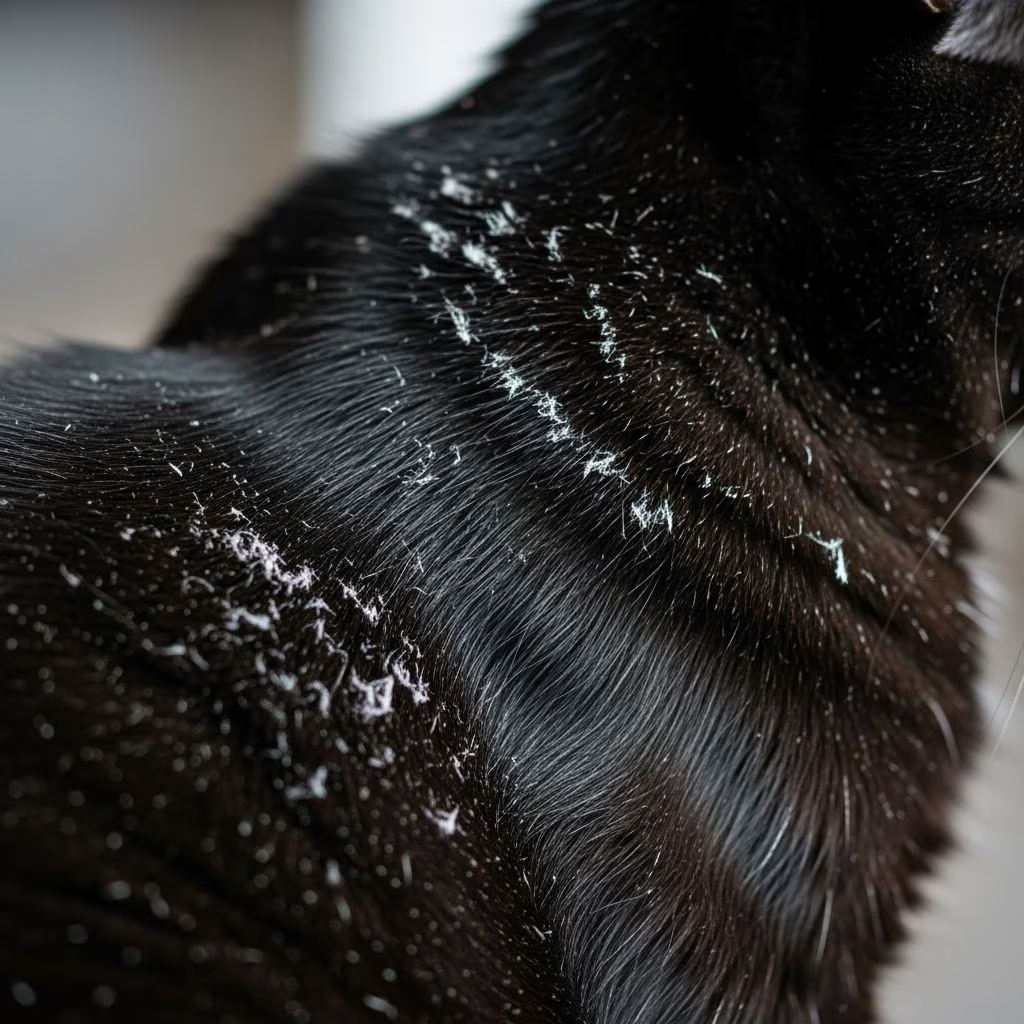
Cat dandruff is a common concern for pet owners, appearing as white or gray flakes on your cat’s coat. Unlike natural shedding, dandruff consists of clumps of dead skin cells that can accumulate and shed into your home environment. While dandruff might seem like a minor cosmetic issue, it often signals underlying health problems that require attention. Understanding the causes and treatment options is essential for maintaining your cat’s overall wellness and comfort.
Dandruff in cats can range from a simple grooming issue to a symptom of a serious medical condition. Because the underlying causes vary significantly, a veterinary evaluation is important, especially when dandruff appears alongside other symptoms like itching, fur loss, behavioral changes, or appetite alterations.
What Causes Cat Dandruff?
Cat dandruff develops for many different reasons, and identifying the root cause is crucial for effective treatment. The causes fall into several categories: environmental factors, dietary issues, grooming problems, and underlying health conditions.
Environmental Causes
Environmental factors play a significant role in triggering dandruff in cats. These include heat exposure, humidity changes, allergies, and parasitic infestations.
Heat and Dehydration: Excessive heat causes dehydration, leading to dry and flaky skin. When indoor temperatures are too warm or humidity is low, your cat’s skin loses moisture, making dandruff more likely to develop. Ensuring your cat stays hydrated and has access to cool areas is essential for preventing heat-related dandruff.
Allergies: Environmental allergies to pollen, dust, or mold can cause skin irritation and inflammation, resulting in itchy and dry skin that flakes off as dandruff. Seasonal allergies often worsen during specific times of year.
Parasites: Fleas, ticks, mites, and lice cause skin irritation and inflammation. Flea allergy dermatitis is particularly common, where cats develop severe reactions to flea saliva. Some cats may also experience “walking dandruff,” caused by Cheyletiella mites, which appears as white, mobile flakes on the skin.
Dietary and Nutritional Factors
Your cat’s diet directly impacts skin and coat health. Poor nutrition or inappropriate food choices can contribute to dandruff development.
Obesity: Overweight cats struggle to groom themselves effectively, particularly in areas like the base of the tail and lower back. This inability to groom leads to dandruff accumulation. Weight management through proper diet and exercise is vital for preventing grooming-related skin issues.
Food Allergies: Some cats develop allergies to specific protein sources or ingredients, causing skin inflammation and dandruff. Common allergens include chicken and fish, while novel proteins like duck or venison may be better tolerated.
Malnutrition: Diets lacking essential nutrients, particularly omega-3 fatty acids, vitamins, and minerals, lead to dry, flaky skin. High-quality feline nutrition supports skin barrier function and reduces dandruff formation.
Grooming-Related Issues
When cats cannot groom themselves properly, dandruff accumulates on their coat. Several conditions prevent effective self-grooming:
Arthritis and Age: Arthritis causes pain and stiffness, discouraging cats from grooming. Senior cats, in particular, may have difficulty reaching certain body areas, leading to matted fur and dandruff buildup.
Undercoat Buildup: Matted or tangled fur blocks airflow to the skin, preventing oxygen and moisture from reaching skin surfaces. This creates an environment where dandruff develops and skin becomes dry and scaly.
Serious Health Conditions
Dandruff can indicate serious underlying medical conditions requiring veterinary treatment.
Metabolic Disorders: Conditions like hyperthyroidism, diabetes mellitus, and kidney disease affect skin health by altering metabolic processes and causing dehydration. These hormonal imbalances frequently manifest as dandruff and dry skin.
Skin Infections: Both bacterial and fungal infections, including ringworm, cause inflammation, scaling, and dandruff. Ringworm is particularly concerning as it can transmit to humans and other pets.
Autoimmune Skin Disease: Rare conditions like pemphigus cause crusty, scaly skin, ulcers, and dandruff. These conditions require specialized veterinary treatment.
Cancer: While uncommon, some cancers like cutaneous lymphoma can affect skin condition and cause dandruff as a symptom.
Symptoms Associated with Cat Dandruff
Recognizing accompanying symptoms helps identify the underlying cause and urgency of veterinary care.
Dandruff-Related Symptoms by Cause
| Cause Category | Associated Symptoms |
|---|---|
| Heat-Related | Dry/flaky skin, increased thirst, excessive panting, sweaty feet, lethargy, muscle tremors |
| Parasitic (Fleas/Bugs) | Dandruff, itchiness, inflamed skin, lesions, hives, fur loss, overgrooming |
| Food Allergies | Itchiness, skin irritation, rashes, sores, diarrhea, vomiting, dull fur, ear infections |
| Kidney Disease | Dehydration, excessive thirst, weakness, weight loss, bad breath, incontinence |
| Arthritis/Old Age | Difficulty moving, trouble grooming, limping, stiff walking |
| Diabetes | Weight loss, excessive thirst/urination, dandruff, good appetite |
| Hyperthyroidism | Weight loss, good appetite, vomiting, hyperactivity, unkempt fur, excessive thirst |
Schedule a veterinary appointment if dandruff persists for more than two weeks, appears alongside scabbing or intense itching, or occurs with changes in appetite, vomiting, lethargy, or behavioral changes.
Cat Dandruff vs. Flea Dirt: Understanding the Difference
Pet owners often confuse dandruff with flea dirt, though they are different conditions that frequently occur together. Flea dirt is flea feces appearing as small black or brown flecks, typically found at the base of the tail and hind end. Dandruff, by contrast, consists of larger white or gray skin flakes distributed across the coat.
When cats have fleas, they often develop flea allergy dermatitis, causing itching, fur matting, scabbing, and skin redness alongside dandruff. Distinguishing between these conditions helps guide appropriate treatment, as flea dirt indicates the need for flea prevention products, while dandruff suggests addressing underlying skin or health issues.
Treatment Options for Cat Dandruff
Effective dandruff treatment addresses the underlying cause. Your veterinarian can determine the cause and recommend appropriate interventions.
Environmental Cause Treatment
If environmental factors cause dandruff, focus on managing allergens and parasites. Address skin allergies through environmental control, treat flea infestations with appropriate prevention products, and manage heat exposure by maintaining comfortable temperatures and ensuring adequate hydration.
Dietary Interventions
Weight Management: For overweight cats, implement a calorie-controlled diet and increase physical activity to support proper grooming ability.
Novel Protein Diets: If food allergies are suspected, your veterinarian may recommend switching to novel proteins like duck, whitefish, venison, or rabbit that your cat hasn’t previously consumed.
Nutritional Supplements: Omega-3 fatty acid supplements improve skin health and reduce dandruff formation. Ask your veterinarian for feline-specific supplements that avoid potentially toxic heavy metals found in human products.
Increased Hydration: Encourage wet food consumption and ensure fresh water is always available to prevent dehydration-related dry skin.
Grooming and Topical Treatments
Regular brushing removes dead skin cells and mats while improving circulation to the skin. Anti-seborrheic shampoos and topical treatments like Douxo-S3 or DermaBenS help manage dandruff. For cats with arthritis or obesity limiting self-grooming, gentle brushing becomes particularly important.
Medical Treatments
When dandruff stems from infections or underlying health conditions, your veterinarian may prescribe:
– Oral antibiotics for bacterial skin infections- Antifungal medications for fungal infections like ringworm- Steroid medications to reduce inflammation- Immunosuppressive medications for autoimmune conditions- Flea prevention products for parasitic infestations- Medication for underlying metabolic conditions like hyperthyroidism or diabetes
Parasite Prevention
Regular flea and tick prevention is essential, especially for outdoor cats and those unable to groom effectively. Monthly preventatives or spot-on treatments effectively control parasites and prevent flea allergy dermatitis.
When to Seek Veterinary Care
Consult your veterinarian if:
– Dandruff persists beyond two weeks- Dandruff appears with scabbing or intense itching- Your cat shows signs of fur loss or overgrooming- Behavioral changes, vomiting, lethargy, or appetite changes accompany dandruff- You notice fleas, mites, or ticks on your cat- Dandruff is accompanied by redness or discharge from eyes or nose
Prevention Strategies for Healthy Cat Skin
Maintaining your cat’s skin health prevents dandruff from developing:
– Provide a high-quality diet rich in omega-3 fatty acids and essential nutrients- Maintain appropriate indoor humidity levels and temperature- Establish a regular grooming routine, especially for long-haired breeds- Implement year-round flea and tick prevention- Ensure your cat stays well-hydrated with fresh water available- Monitor your cat’s weight and provide appropriate exercise- Minimize environmental allergens when possible- Schedule regular veterinary checkups to catch health issues early
Frequently Asked Questions About Cat Dandruff
Q: Is cat dandruff contagious to humans?
A: Most cat dandruff is not directly contagious to humans. However, if dandruff is caused by ringworm or mites, these can potentially transmit to humans with close contact. Practice good hygiene and consult your veterinarian if you suspect a contagious cause.
Q: Can indoor cats get dandruff?
A: Yes, indoor cats commonly develop dandruff due to low humidity, heat from indoor heating systems, allergies, poor diet, or health conditions. Indoor cats may even be more prone to dandruff due to controlled environmental factors.
Q: What’s the best shampoo for cat dandruff?
A: Anti-seborrheic shampoos specifically formulated for cats are most effective. Consult your veterinarian for recommendations tailored to your cat’s specific condition, as the underlying cause determines the best treatment approach.
Q: Can stress cause cat dandruff?
A: Yes, stress can contribute to dandruff by affecting your cat’s grooming habits and immune function. Environmental enrichment, routine, and reducing stressors help maintain healthy skin.
Q: How long does it take to treat cat dandruff?
A: Treatment duration depends on the underlying cause. Simple cases may improve in weeks with grooming and dietary changes, while health conditions or infections may require longer treatment periods under veterinary supervision.
Q: Is dandruff normal in senior cats?
A: While senior cats may have some dry skin due to age and reduced grooming ability, persistent dandruff warrants veterinary evaluation to rule out arthritis, health conditions, or other issues affecting skin health.
Q: Can diet alone fix cat dandruff?
A: Diet can help manage dandruff caused by nutritional deficiencies or food allergies, but if dandruff stems from infections, parasites, or health conditions, additional veterinary treatment is necessary.
Q: What role does grooming play in preventing dandruff?
A: Regular grooming removes dead skin cells, mats, and parasites while improving skin circulation. For cats unable to self-groom due to arthritis or obesity, owner-assisted grooming is essential for preventing dandruff.
References
- Why Does My Cat Have Dandruff And How Can I Get Rid Of It? — North Kenny Veterinary Clinic. 2024. https://northkennyvet.com/blog/cat-dandruff-columbus-oh/
- All About Dandruff in Cats — Zoetis Petcare. 2024. https://www.zoetispetcare.com/blog/article/dandruff-cats
- Dandruff in Cats — Cats Protection. 2024. https://www.cats.org.uk/cats-blog/can-cats-get-dandruff
- Dandruff in Cats — PDSA. 2024. https://www.pdsa.org.uk/pet-help-and-advice/pet-health-hub/symptoms/dandruff-in-cats
- Dandruff in Cats — PetMD. 2024. https://www.petmd.com/cat/symptoms/dandruff
- Dandruff — Pets & Parasites. 2024. https://www.petsandparasites.org/cat-owners/dandruff/



