

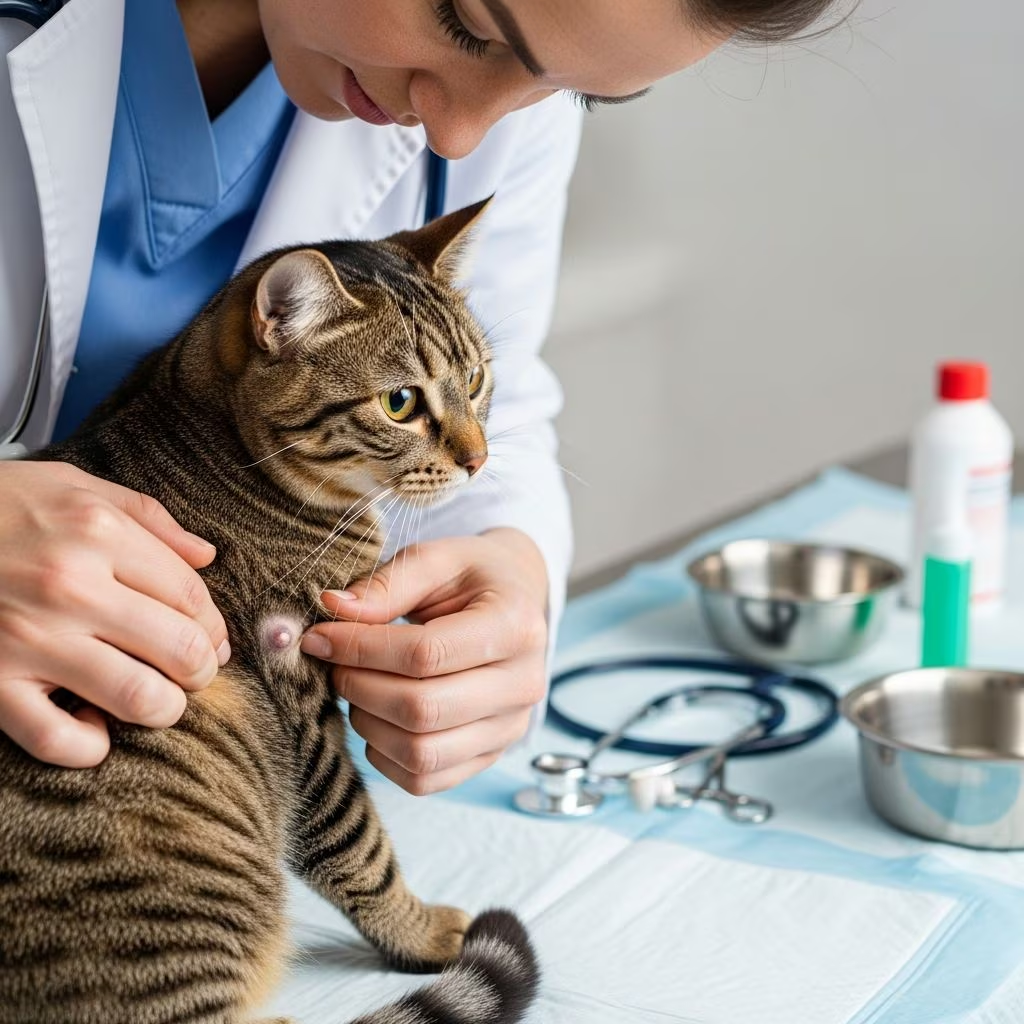
Cysts in cats that persistently refill with fluid are a common concern for pet owners, often indicating an underlying issue like sebaceous cysts, ovarian cysts, or abscesses mimicking cysts. These fluid-filled sacs form when a membrane continues producing fluid despite drainage, requiring thorough veterinary diagnosis and targeted treatment to prevent recurrence. Understanding the type, cause, and management options is essential for your cat’s health and comfort.
What Is a Cyst in Cats?
A cyst is a closed sac-like structure filled with fluid, semi-solid material, or air, developing abnormally within body tissues. In cats, these can appear on the skin, ovaries, or other organs. **Sebaceous cysts** arise from blocked oil glands in the skin, filling with keratin-like material that may resemble cottage cheese if ruptured. **Ovarian cysts**, more common in unspayed females, affect about 1 in 20 cats and disrupt heat cycles due to hormonal imbalances. Unlike benign cysts, abscesses (pus-filled from infections, often bite wounds) can mimic cysts but require different urgent care. Cysts are generally non-cancerous but can become problematic if infected, traumatized, or hormonally driven.
Why Does My Cat’s Cyst Keep Filling Up?
The refilling occurs because the cyst’s epithelial lining or secretory membrane remains intact after simple drainage, continuing to produce fluid. For **skin cysts like sebaceous ones**, trauma, infection, or blockage causes rapid re-accumulation, especially if scratched or burst. **Ovarian cysts** refill due to ongoing ovarian hormone production in unspayed cats, leading to repeated fluid buildup and symptoms like abdominal swelling. Partial treatments like aspiration provide temporary relief but fail long-term without addressing the root cause, such as hormonal activity or incomplete removal. Factors exacerbating refilling include the cat’s age, spay status, grooming habits, and secondary infections.
Common Types of Cysts in Cats That Refill
- Sebaceous Cysts: Most frequent on skin, harmless unless infected; prone to refilling after rupture due to gland blockage.
- Ovarian Cysts: Internal, in unspayed females; cause irregular heats and refill from hormonal secretion.
- Aural Hematomas: Ear flap fluid pockets from trauma; may resolve conservatively but often refill without surgery.
- Abscesses Mimicking Cysts: Infection pus collections; drain but refill if bacteria persist.
Signs and Symptoms of Refilling Cysts in Cats
Early cysts may be asymptomatic, but refilling ones show clear signs. Watch for:
- Lumps that grow, soften, or fluctuate in size.
- Redness, itching, scratching, or excessive grooming around the site.
- Oozing white/yellow discharge smelling foul if ruptured.
- Abdominal pain, swelling, lethargy, or irregular heats for ovarian types.
- Pain on touch, reduced appetite, or behavioral changes like aggression.
If your cat licks excessively or the lump changes rapidly, seek vet care immediately to rule out malignancy or severe infection.
Diagnosis: How Vets Identify Refilling Cysts
Veterinarians start with a physical exam, history review (e.g., spay status, fights), and fine-needle aspiration to analyze fluid content—clear for true cysts, pus for abscesses. Key diagnostics include:
- Ultrasound: Detects internal cysts, size, and wall thickness; ideal for ovarian assessment every 3-6 months.
- Biopsy/Histopathology: Confirms type post-surgical removal, ensuring clear margins.
- Blood Tests: Checks hormone levels or infection markers.
- Fine-Needle Aspiration (FNA): Quick fluid check without anesthesia.
Accurate diagnosis prevents mis-treatment, as abscesses need antibiotics while cysts may require surgery.
Treatment Options for Cats with Refilling Cysts
Treatment depends on cyst type, size, location, and cat’s health. Conservative approaches suit small, stable cysts; surgery is definitive for recurrent ones.
Conservative Management
- Drainage/Aspiration: Needle removal of fluid for quick relief, suitable for breeding cats or poor surgical candidates; recurs without addressing source.
- Medical Therapy: Antibiotics (oral/topical) for infections, anti-inflammatories/NSAIDs for pain; resolves secondary issues in 1 week but not the cyst.
- Home Care: Saline cleaning (1 tsp salt in 500ml boiled water, 2-3x daily), e-collar to prevent trauma, monitor weekly.
Surgical Treatments
Surgery is the gold standard for permanent resolution.
- Cystectomy: Full removal of cyst and surrounding tissue under anesthesia; prevents refilling.
- Spaying (Ovariohysterectomy): Removes ovaries/uterus for ovarian cysts; eliminates recurrence, cancer risk, heats.
- Lancing/Flushing: For abscess-like cysts; followed by antibiotics and pain meds.
| Treatment Type | Best For | Pros | Cons |
|---|---|---|---|
| Aspiration | Temporary relief | Quick, no surgery | High recurrence |
| Antibiotics/Meds | Infected cysts | Non-invasive | Doesn’t remove cyst |
| Surgical Removal | Recurrent/refilling | Permanent fix | Anesthesia risks |
| Spaying | Ovarian cysts | Prevents future issues | Invasive for internals |
Pain Management and Supportive Care
Essential alongside any treatment:
- Vet-prescribed NSAIDs or opioids; avoid human meds (toxic).
- Warm compresses, quiet rest areas.
- High-quality diet, hydration, small meals; appetite stimulants if needed.
Prevention and Monitoring After Treatment
Prevent refilling by spaying females early, regular vet checks, and minimizing fights/trauma. Post-treatment:
- Monitor for regrowth, infection signs every 1-2 weeks.
- Ultrasounds/hormone tests every 3-6 months for conservatively managed cases.
- When symptoms worsen (growth, pain), opt for surgery.
When to See a Vet Urgently
Rush to the vet if the cyst:
- Rapidly enlarges, bleeds, or smells bad.
- Causes pain, lethargy, vomiting, or appetite loss.
- Refills soon after drainage.
- Appears overnight or changes color/shape.
Early intervention prevents complications like rupture or sepsis.
Frequently Asked Questions (FAQs)
Can cat cysts go away on their own?
Small, stable sebaceous cysts may not need treatment and can remain harmless, but refilling ones rarely resolve without intervention.
Is surgery the only way to stop a cyst from refilling?
For sebaceous cysts, yes—complete surgical removal is required. Ovarian cysts need spaying for definitive cure.
How much does cyst removal cost for cats?
Varies by location/type; simple skin cyst surgery $300-800, spaying $200-600, plus diagnostics[general vet pricing knowledge].
Are refilling cysts cancerous in cats?
Most are benign, but biopsy rules out malignancy; ovarian cysts slightly raise cancer risk if untreated.
What home remedies help with cat cysts?
Clean oozing sites with saline, use e-collar, but never squeeze—vet confirmation first.
Laser Treatment Option
Some vets recommend **laser therapy** for precise cyst removal, minimizing bleeding and promoting faster healing. Discuss referral if available.
References
- Ovarian Cysts in Cats: 5 Proven Treatments Your Vet Recommends — ThePetVet.com. 2023. https://thepetvet.com/ovarian-cysts-in-cats/
- Sebaceous Cysts in Cats: Causes, Symptoms, & Treatment — Cats.com. 2024. https://cats.com/sebaceous-cysts-in-cats
- My Cat’s Cyst Keeps Filling Up, What’s Wrong? (Vet Answer) — Catster. 2024-05-15. https://www.catster.com/ask-the-vet/cat-cyst-keeps-filling-up/
- Cysts in Cats — JOII Pet Care. 2024. https://www.joiipetcare.com/blogs/health-conditions/cysts-in-cats
- Cat Abscesses: Causes, Symptoms & How To Treat Them — UrgentVet. 2024. https://urgentvet.com/cat-abscess-causes-types-symptoms-treatment/
- Cat Skin Lumps, Bumps, and Cysts — PetMD. 2024-01-10. https://www.petmd.com/cat/symptoms/cat-skin-lumps-bumps-and-cysts



