

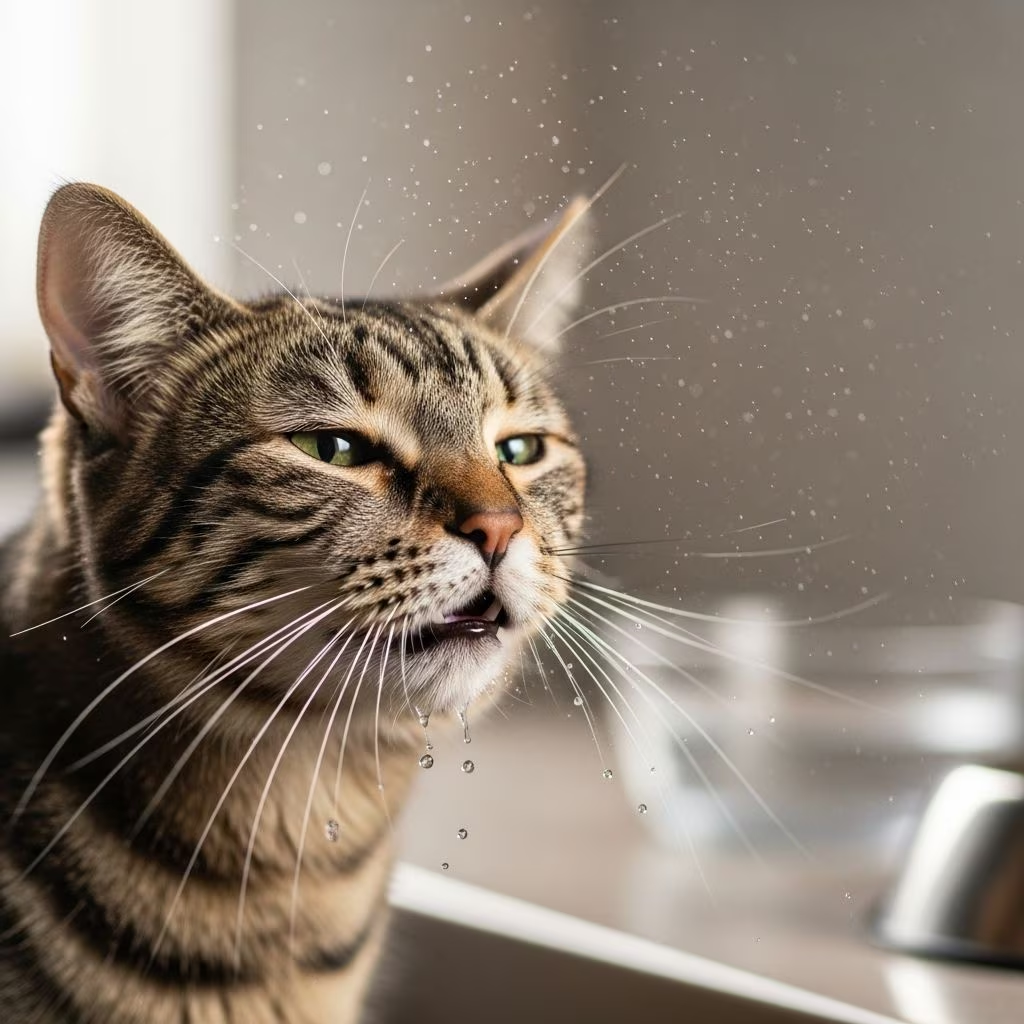
Observing your cat cough immediately after drinking water can be concerning for any pet owner. This behavior often stems from benign habits but may signal underlying health problems requiring prompt attention. Understanding the triggers helps determine if home adjustments suffice or if professional veterinary intervention is necessary.
Common Everyday Triggers for Coughing
Many instances of post-drinking coughs arise from routine behaviors that cats can easily modify with slight environmental changes. These non-medical causes are frequent and typically resolve without intervention.
Rapid or Excessive Water Intake
Cats possess small stomachs and prefer sipping slowly. Gulping large volumes quickly can cause water to enter the windpipe instead of the esophagus, prompting a reflexive cough to clear the airway. This ‘wrong pipe’ mishap is common after play sessions or in hot weather when thirst intensifies. Excessive thirst might also indicate conditions like diabetes or kidney issues, warranting a vet check if persistent.
- Encourage slower drinking by using wide, shallow bowls.
- Offer fresh water multiple times daily to prevent frantic gulping.
- Monitor intake; normal cats drink about 3-4 ounces per 5 pounds of body weight daily.
Tight Collar Interference
A collar pressed too snugly against the throat can restrict swallowing, leading to coughing during hydration. Ideally, two fingers should fit comfortably between the collar and skin. Loosening or removing it during meals and drinks often eliminates this issue instantly.
Environmental and Allergic Factors
Allergens in the home or outdoors frequently irritate a cat’s sensitive airways, exacerbating coughs when water contacts inflamed tissues.
Household Irritants and Allergens
Dust, pollen, mold, cleaning products, and deodorants can swell throat passages, causing coughs upon liquid contact. Cats with allergies may exhibit additional signs like wheezing, scratching, or hair loss.
| Allergen Type | Symptoms | Management Tips |
|---|---|---|
| Dust/Mold | Sneezing, watery eyes | Use air purifiers, wash bedding weekly |
| Pollen | Seasonal coughing, itching | Limit outdoor access during high pollen days |
| Chemicals | Throat irritation, lethargy | Switch to pet-safe cleaners |
Food-Related Sensitivities
Though less common with water alone, certain kibble residues or salty foods can prompt thirst followed by irritated coughing. Transition to hypoallergenic diets if patterns emerge alongside appetite changes.
Respiratory and Infectious Conditions
Serious health issues often manifest as coughing tied to drinking, accompanied by broader symptoms necessitating veterinary diagnosis.
Viral Respiratory Infections
Feline calicivirus and herpesvirus are primary culprits, inflaming airways and throats. Symptoms include nasal discharge, conjunctivitis, oral ulcers, and poor appetite. Infected cats cough when water aggravates swollen tissues. These viruses spread easily in multi-cat homes or catteries.
- Vaccinations reduce severity but don’t prevent entirely.
- Supportive care like humidifiers aids recovery.
Asthma and Bronchial Issues
Feline asthma, prevalent in breeds like Siamese, triggers airway spasms from allergens or stress. Coughing post-drink mimics hairball expulsion but recurs. Diagnosis involves chest X-rays; treatments include inhalers or steroids.
Oral and Throat Obstructions
Physical blockages demand immediate action to prevent aspiration pneumonia.
Foreign Objects and Hairballs
Hairs, kibble bits, or debris can lodge in the mouth or throat during drinking, inciting coughs, pawing, or drooling. Inspect the mouth gently; remove visible items with tweezers if safe, otherwise seek emergency care.
Dental Problems
Tartar buildup, gum inflammation, or loose teeth irritate when lapping water. Bad breath, drooling, or pawing at the mouth accompanies. Regular brushing and professional cleanings prevent escalation.
Systemic Diseases Mimicking Coughs
Chronic illnesses alter drinking habits, indirectly causing coughs.
- Kidney Disease: Increased thirst leads to rapid intake and coughing; watch for weight loss, vomiting.
- Diabetes: Polydipsia (excessive drinking) with lethargy, urinary changes.
- Hyperthyroidism: Heightened metabolism boosts water needs; symptoms include hyperactivity, poor coat.
When Coughing Signals Vomiting or Related Issues
Cats may regurgitate water due to nausea, hairballs, or overfilling on an empty stomach. If coupled with diarrhea, lethargy, or blood, it’s an emergency. Distinguish coughing (hacky, repetitive) from vomiting (projectile with bile).
Diagnostic Steps and Home Monitoring
Track episodes: frequency, duration, associated behaviors. Video for vets. Baseline checks include temperature (normal 100.5-102.5°F), gum color (pink), hydration (skin tent test).
- Observe for 24-48 hours if isolated incidents.
- Note diet, environment changes.
- Rush to vet if breathing labored, blue gums, collapse.
Veterinary Evaluation and Treatments
Exams may include bloodwork, radiographs, endoscopy. Treatments vary: antibiotics for infections, anti-inflammatories for allergies, fluids for dehydration. Prognosis excels with early intervention.
Preventive Strategies for Long-Term Health
Proactive care minimizes risks.
- Annual vet wellness exams with vaccines.
- Dental routines from kittenhood.
- Balanced diet, portion control.
- Clean bowls daily, filtered water options.
- Stress reduction via play, pheromones.
Frequently Asked Questions (FAQs)
Is coughing after water always serious?
No, often it’s from gulping too fast, but persistent cases need vet review.
How can I stop my cat from drinking too quickly?
Use puzzle feeders, ice cubes in bowls, or slow-drink fountains.
Can allergies cause this in indoor cats?
Yes, dust mites and litter can trigger indoor allergies.
What if my cat coughs and vomits clear liquid?
Likely regurgitation; monitor, but consult vet if frequent.
Does breed affect susceptibility?
Siamese and Persians prone to asthma; flat-faced breeds to dental issues.
References
- Upper Respiratory Infections in Cats (Feline Calicivirus and Herpesvirus) — Cornell University College of Veterinary Medicine. 2024-01-15. https://www.vet.cornell.edu/departments-centers-centers-and-institutes/cornell-feline-health-center/health-information/feline-health-topics/feline-upper-respiratory-infection
- Feline Asthma: Diagnosis and Treatment — American College of Veterinary Internal Medicine. 2023-06-20. https://acvim.org/feline-asthma/
- Chronic Kidney Disease in Cats — International Cat Care. 2025-02-10. https://icatcare.org/advice/chronic-kidney-disease-in-cats/
- Dental Disease in Cats — Merck Veterinary Manual. 2024-11-05. https://www.merckvetmanual.com/cat-owners/disorders-affecting-multiple-body-systems-of-cats/dental-disorders-of-cats
- Hyperthyroidism in Cats — FDA Center for Veterinary Medicine. 2023-09-12. https://www.fda.gov/animal-veterinary/animal-health-literacy/hyperthyroidism-cats



