

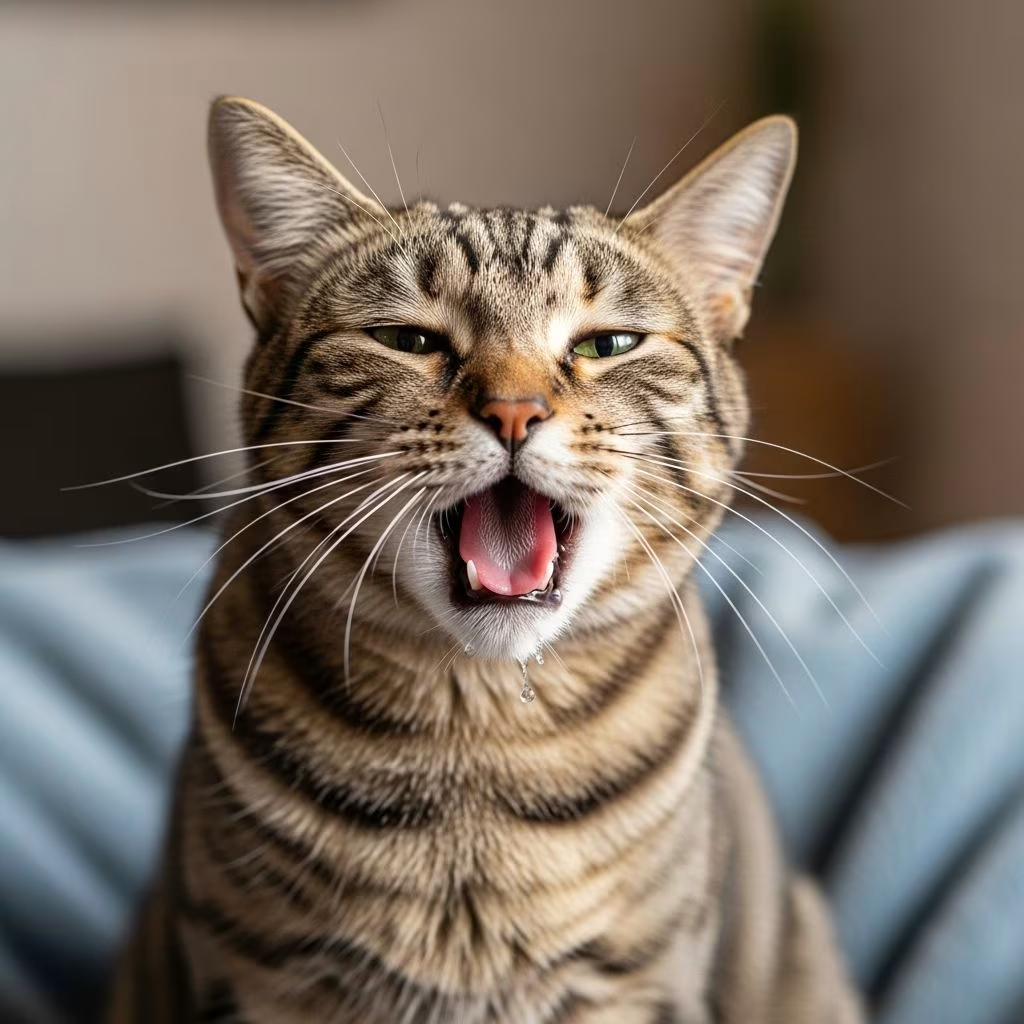
Coughing in cats often signals an underlying issue ranging from benign hairballs to life-threatening diseases. Recognizing the type of cough and accompanying symptoms helps determine if immediate veterinary care is needed.
Recognizing the Signs of Coughing in Cats
A cough in cats differs from a dog’s, often resembling retching, gagging, or hacking. It serves as the body’s mechanism to clear irritants, mucus, or foreign material from the airways. Key observations include the cough’s sound, frequency, and duration.
- Wet cough: Produces phlegm or mucus, linked to infections or fluid buildup.
- Dry cough: Harsh and repetitive, common in asthma or irritant exposure.
- Honking cough: Trachea irritation, mimicking kennel cough from bacterial sources.
Monitor for patterns: occasional episodes might indicate hairballs, while persistent coughing warrants concern.
Primary Causes Behind Your Cat’s Cough
Several factors provoke coughing, categorized by commonality and severity. Hairballs top the list for indoor cats, but infections and chronic diseases demand attention.
| Cause | Description | Symptoms | Severity |
|---|---|---|---|
| Hairballs | Grooming leads to ingested fur forming masses expelled via cough-like retching. | Infrequent, followed by vomiting hair; no fever. | Low |
| Respiratory Infections | Viral (calicivirus, herpesvirus) or bacterial (Bordetella); irritate airways. | Cough with sneezing, nasal discharge, fever. | Moderate |
| Asthma | Chronic airway inflammation from allergens; spasms cause wheezing. | Dry, spasmodic cough; labored breathing, open-mouth panting. | High |
| Foreign Bodies | Inhaled particles like litter, grass, or toys obstruct airways. | Sudden coughing, pawing at mouth, drooling. | Moderate to High |
| Heartworm | Parasites damage lungs/heart; rarer in cats but serious. | Cough, rapid breathing, lethargy, vomiting. | High |
Less common triggers include pleural effusion (fluid around lungs from heart failure or cancer) and trauma, compressing or irritating respiratory tissues.
When Coughing Signals a Medical Emergency
Not all coughs require rushing to the vet, but certain red flags indicate urgency. Persistent coughing over 24-48 hours, especially with breathing distress, demands immediate evaluation.
- Blue gums or tongue (oxygen deprivation).
- Extreme lethargy or refusal to eat.
- Coughing up blood or foam.
- Labored, rapid, or noisy breathing.
Conditions like pleural effusion or severe asthma can escalate quickly, reducing lung expansion and risking collapse.
Diagnostic Approaches for Coughing Cats
Veterinarians employ a stepwise process to pinpoint causes. History-taking reveals onset, triggers, and multi-cat exposure risks.
- Physical Exam: Listening to lungs/heart, checking throat.
- Imaging: Chest X-rays detect fluid, masses, or parasites.
- Laboratory Tests: Bloodwork for infection/inflammation; fecal/heartworm antigen tests.
- Advanced Tools: Bronchoscopy or ultrasound for deeper airway views.
Early diagnosis improves outcomes, particularly for treatable infections or asthma.
Treatment Strategies Tailored to the Cause
Therapy hinges on diagnosis, focusing on symptom relief and root resolution.
For Hairballs
Enhance grooming, provide hairball remedies (petroleum-based laxatives), and high-fiber diets to ease passage. Regular brushing reduces ingestion.
For Infections
Antibiotics target bacteria; antivirals/supportive care (fluids, nebulization) for viruses. Quarantine prevents spread in households.
For Asthma and Allergies
Corticosteroids reduce inflammation; bronchodilators open airways via inhalers or injections. Allergen avoidance (dust, pollen) is key.
For Parasites and Effusions
Heartworm preventives/medications; thoracocentesis drains pleural fluid. Surgery may remove foreign objects.
Chronic cases might involve immune supplements or chemotherapy for tumors.
Home Management and Supportive Care
While awaiting vet care, maintain humidity via steam from showers to loosen mucus. Ensure rest in a stress-free, dust-poor environment. Avoid over-the-counter meds toxic to cats.
- Humidifier use for respiratory relief.
- Clean litter boxes daily to minimize irritants.
- Hydration encouragement with wet food/fountains.
Preventive Measures to Minimize Coughing Risks
Proactive steps safeguard respiratory health. Vaccinations combat viral infections; monthly heartworm preventives are essential.
- Annual vet checkups with fecal/heartworm screening.
- Grooming routines and hairball diets for longhairs.
- Low-dust litter and hypoallergenic bedding.
- Minimize exposure to smoke, strong scents, or outdoor hazards.
Multi-cat homes benefit from isolation of new/sick cats.
Frequently Asked Questions (FAQs)
Is coughing normal for cats?
Occasional coughing, especially with hairballs, is common. Frequent or worsening episodes are not.
How can I tell if it’s a hairball or something serious?
Hairballs resolve with expulsion; infections/asthma persist with additional symptoms like fever or wheezing.
Can cats get kennel cough?
Yes, Bordetella causes a similar honking cough, highly contagious.
Is cat asthma curable?
No, but manageable with meds and environmental changes for normal life.
Should I give my coughing cat human cough medicine?
Never—many are toxic. Consult a vet.
Long-Term Monitoring for Respiratory Wellness
Post-treatment, track symptoms via a journal noting cough frequency, triggers, and response to care. Re-checkups ensure no recurrence, adjusting plans as needed.
Maintain a clean habitat: vacuum regularly, use air purifiers, and opt for fragrance-free products. Weight management prevents heart strain contributing to effusions.
For asthmatic cats, track seasonal patterns possibly linked to pollen. Compliance with inhaler use sustains remission.
References
- Coughing in Cats: Causes & Treatment — UrgentVet. 2023. https://urgentvet.com/coughing-in-cats/
- Causes and Treatments for Your Cat’s Coughing — Providence Veterinary Hospital. 2023. https://providencevethospital.com/blog/cats-coughing/
- Coughing in Cats — VCA Animal Hospitals. 2023. https://vcahospitals.com/know-your-pet/coughing-in-cats
- Cat Coughing 101: Signs, Causes and Treatments — Sonora Live Oak Veterinary Hospital. 2023. https://sonoraliveoakvet.com/cat-coughing/
- Cat Coughing: Symptoms & When to Take Action — Purina US. 2023. https://www.purina.com/articles/cat/health/symptoms/coughing



