
Cat Coughing Explained
Discover the reasons behind your cat's cough, from common irritants to serious conditions, and learn when to seek veterinary help immediately.
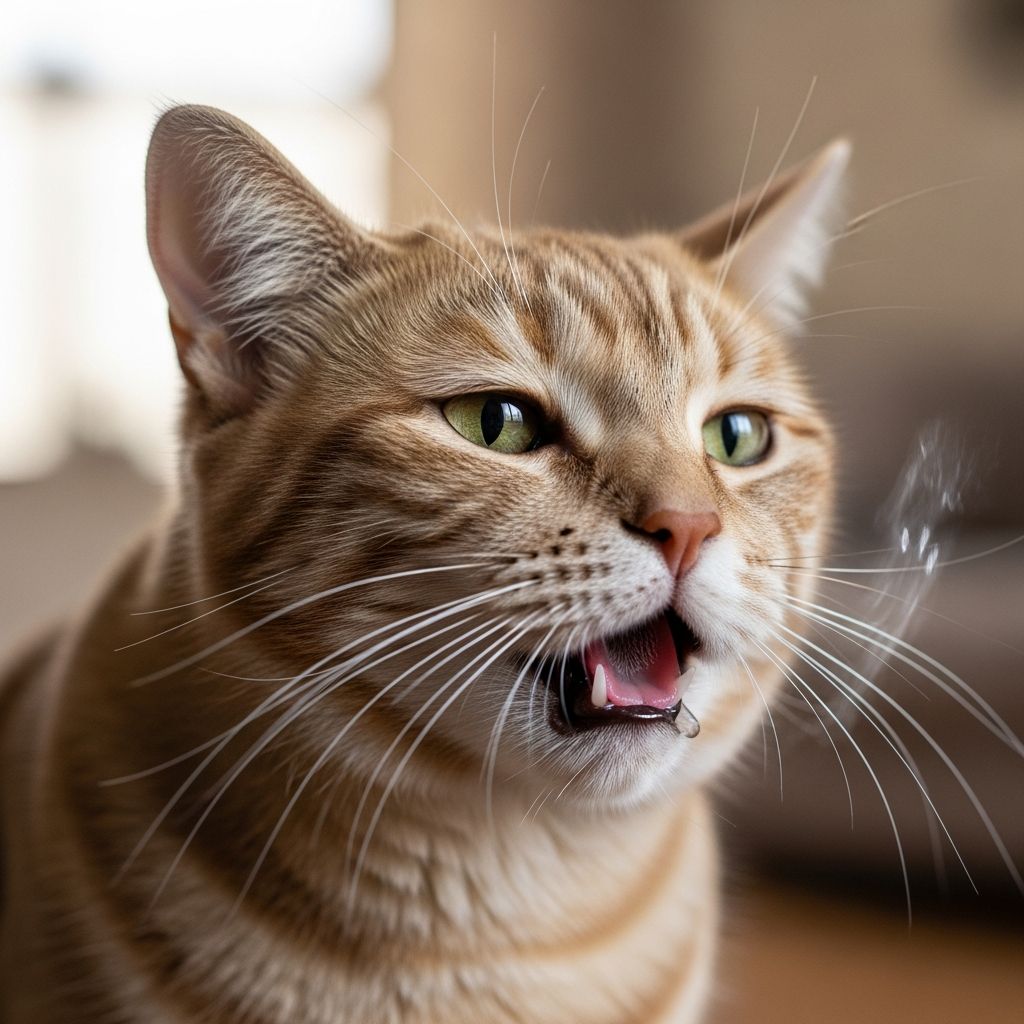
Coughing in cats serves as a protective reflex to clear irritants, mucus, or foreign material from the airways, but persistent episodes often indicate underlying health issues ranging from benign hairballs to severe diseases like asthma or infections.
Recognizing Coughing in Cats
Unlike dogs, cats rarely cough, making any instance noteworthy; it typically manifests as a sudden, hacking sound with the head extended forward, mouth open, and abdomen contracting forcefully. Owners might mistake it for retching or vomiting, especially with hairballs, but true coughing targets the respiratory tract rather than the stomach.
- Dry cough: Harsh, non-productive sound from airway irritation, common in asthma or allergies.
- Wet cough: Accompanied by mucus or phlegm, signaling infection or fluid buildup.
- Honking cough: Goose-like noise from tracheal collapse or obstruction.
Frequency matters: occasional coughs may stem from minor triggers, while daily or worsening bouts demand attention.
Primary Triggers for Feline Coughs
Multiple factors irritate a cat’s sensitive airways, leading to coughs; environmental and biological elements often overlap.
Hairballs and Grooming Issues
Cats groom excessively, ingesting fur that accumulates in the stomach and irritates the throat during expulsion, producing cough-like retching. While common, frequent hairballs signal excessive grooming from stress or allergies.
Allergens and Environmental Irritants
Pollen, dust, mold, smoke, or household cleaners inflame airways, mimicking human allergies and causing dry coughs. Indoor cats in poor air quality homes face higher risks.
Respiratory Conditions Causing Coughs
Inflammatory diseases dominate chronic coughing cases in cats.
Feline Asthma and Bronchitis
Asthma, affecting up to 5% of cats, involves airway spasms and inflammation from allergens, leading to wheezing, rapid breathing, and hacking coughs. Bronchitis similarly inflames bronchial tubes, producing persistent dry coughs. Breeds like Siamese show predisposition.
Infections of the Airways
Upper respiratory infections (URIs), often viral like feline herpesvirus or calicivirus, cause coughing with sneezing and nasal discharge; bacterial secondary infections worsen symptoms. Pneumonia, a lower lung infection, produces wet, crackly coughs and requires urgent care.
| Condition | Cough Type | Associated Signs |
|---|---|---|
| Asthma | Dry, wheezing | Rapid breathing, lethargy |
| URI | Dry or wet | Sneezing, eye/nose discharge |
| Pneumonia | Wet, crackly | Fever, breathing difficulty |
Serious Underlying Health Problems
Beyond respiratory issues, systemic diseases manifest through coughing.
Parasitic Infestations
Heartworms, though rarer in cats than dogs, inflame lungs and cause dry coughs; lungworms or roundworms migrating through tissues provoke similar responses. Preventive medications like Revolution effectively target these.
Cardiac and Fluid-Related Issues
Heart disease leads to fluid buildup (pleural effusion), compressing lungs and triggering coughs; cats may show open-mouth breathing or bluish gums. Cancer or tumors obstructing airways represent grave concerns.
Foreign Bodies and Trauma
Inhaled grass blades, seeds, or objects lodge in airways, causing sudden, persistent coughs; trauma from injury inflames tissues.
When Coughing Signals an Emergency
Monitor for red flags indicating respiratory distress.
- Labored breathing or open-mouth panting.
- Bluish tongue/gums from oxygen deprivation.
- Blood in cough or lethargy.
- Coughing with collapse or refusal to eat.
Seek immediate veterinary care for these, as delays can prove fatal.
Diagnosing the Root Cause
Veterinarians employ a multi-step approach.
- History and Exam: Review environment, diet, vaccination status, and listen to lung sounds.
- Imaging: Chest X-rays reveal inflammation, fluid, or masses.
- Lab Tests: Bloodwork, fecal analysis for parasites, or airway swabs for infections.
- Advanced Tools: Bronchoscopy for direct visualization or heartworm antigen tests.
Differential diagnosis rules out overlapping conditions.
Treatment Strategies for Coughing Cats
Tailored plans address specific causes.
- Medications: Antibiotics (e.g., Clavamox) for bacteria, antivirals for viruses, corticosteroids like prednisolone for inflammation.
- Bronchodilators: Albuterol inhalers open airways in asthma cases.
- Parasite Control: Antiparasitics eliminate worms.
- Supportive Care: Nebulization, fluids, or oxygen therapy.
- Surgery: Rare, for tumors or foreign objects.
Hairballs benefit from hairball remedies, high-fiber diets, or grooming aids.
Preventing Coughs in Your Cat
Proactive steps reduce risks.
- Maintain clean air: Use HEPA filters, avoid smoke and strong scents.
- Vaccinate against URI pathogens.
- Administer monthly heartworm preventives.
- Regular grooming minimizes hairballs.
- Annual vet checkups catch issues early.
FAQs About Cat Coughing
Is cat coughing always serious?
Not always; hairballs cause occasional episodes, but chronic or accompanied symptoms warrant a vet visit.
How can I tell coughing from vomiting?
Coughing involves forward head extension and hacking without stomach expulsion; vomiting follows gagging with visible food.
Can stress cause coughing in cats?
Indirectly, via excessive grooming leading to hairballs or asthma flares.
What home remedies help a coughing cat?
Steam from a humidifier or honey (tiny amounts) may soothe mildly, but never delay professional care[general knowledge; consult vet].
Do indoor cats get respiratory infections?
Yes, from litter dust, shared spaces, or carriers.
Living with a Cough-Prone Cat
Manage chronic conditions like asthma through environmental control and consistent meds; track episodes in a journal for vet discussions. Multi-cat homes require quarantine during infections. With prompt intervention, most cats recover fully and enjoy cough-free lives.
References
- Cat Coughing: Causes and Treatment — Lane Veterinary. 2023. https://lanevet.com/blog/cat-coughing/
- Cat Coughing: Why It Happens and When To Call Your Vet — PetMD. 2024-01-15. https://www.petmd.com/cat/symptom/cat-coughing
- Causes and Treatments for Your Cat’s Coughing — Providence Vet Hospital. 2023. https://providencevethospital.com/blog/cats-coughing/
- Coughing in Cats — VCA Animal Hospitals. 2024. https://vcahospitals.com/know-your-pet/coughing-in-cats
- Cat Coughing: Symptoms & When to Take Action — Purina US. 2023-11-20. https://www.purina.com/articles/cat/health/symptoms/coughing
Similar Articles








Read full bio of medha deb




