

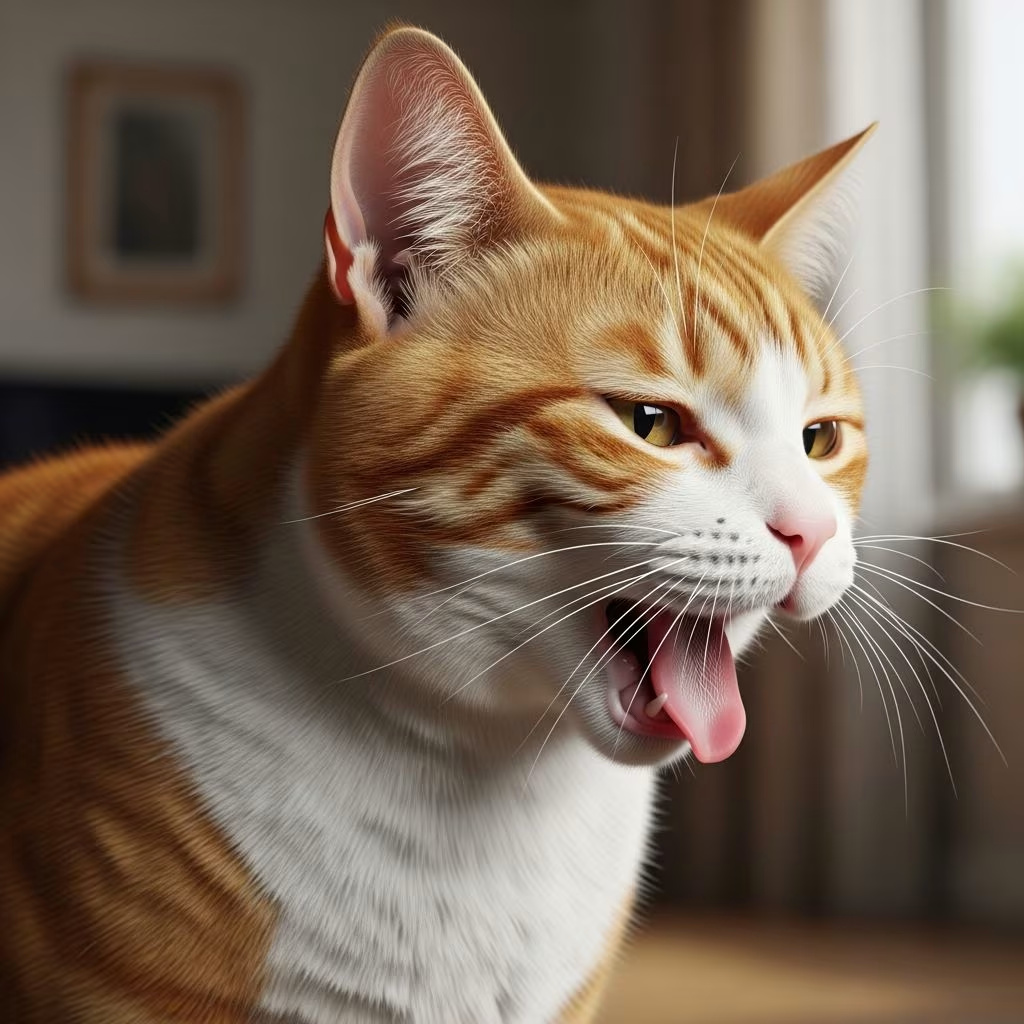
Cats occasionally cough to clear their airways, but frequent or harsh coughing signals potential health issues ranging from minor irritations to life-threatening diseases. Recognizing the difference helps pet owners act swiftly to ensure their feline companions breathe comfortably.
Recognizing Coughing in Cats
Unlike dogs, cats rarely cough, making any instance noteworthy. A typical cat cough resembles a quick hack or retch, often followed by swallowing or gagging. It differs from vomiting, which involves more abdominal effort and visible expulsion of food. Coughs may sound dry and hacking or wet and productive with mucus. Observe patterns: isolated events might stem from dust, while persistent ones warrant investigation.
- Dry cough: Often linked to airway irritation or inflammation.
- Wet cough: Suggests mucus buildup from infections.
- Cough with wheezing: Indicates narrowed airways, common in asthma.
Monitor frequency, duration, and accompanying signs like lethargy or appetite loss to gauge severity.
Primary Triggers for Feline Coughing
Several factors provoke coughing by inflaming or obstructing a cat’s delicate respiratory system. Here’s a breakdown of prevalent culprits.
Hairballs and Throat Irritants
Grooming leads cats to ingest fur, forming hairballs that irritate the throat and trigger coughing as the body expels them. Frequent grooming breeds like Persians face higher risks. Inhaled particles such as litter dust, smoke, or pollen also provoke reflexive coughs to clear passages.13
Allergies and Environmental Factors
Cats develop allergies to dust mites, mold, pollen, or household chemicals, causing airway inflammation and coughing. Poor indoor air quality from candles, cleaners, or tobacco exacerbates this. Seasonal changes may worsen symptoms in sensitive felines.23
Feline Asthma and Bronchitis
Asthma affects many cats, narrowing airways via inflammation and mucus, leading to coughing, wheezing, and labored breathing. Triggers include allergens and stress. Chronic bronchitis mirrors this with persistent airway swelling.12
| Condition | Symptoms | Common Triggers |
|---|---|---|
| Asthma | Coughing, wheezing, rapid breathing | Allergens, stress |
| Bronchitis | Chronic cough, mucus | Infections, irritants |
| Allergies | Intermittent cough, sneezing | Dust, pollen |
Respiratory Infections
Viral agents like feline herpesvirus and calicivirus cause upper respiratory infections (URIs), irritating throats and prompting coughs alongside sneezing and discharge. Bacterial or fungal invasions target deeper lungs, producing harsher coughs. Unvaccinated or shelter cats are vulnerable.14
Parasitic Infestations
Lungworms reside in airways, causing irritation and coughs. Heartworms, transmitted by mosquitoes, damage lungs and provoke coughing, especially in endemic areas. These parasites thrive outdoors, affecting adventurous cats.24
Serious Underlying Diseases
Heart disease leads to fluid buildup (pleural effusion), compressing lungs and inducing coughs. Tumors or feline leukemia compromise immunity, fostering infections and coughing. Foreign objects lodged in airways demand urgent removal.14
Assessing Severity: When to Worry
Not all coughs require panic, but certain red flags demand immediate veterinary care. A single hairball cough resolves naturally, but ongoing episodes signal trouble.
- Open-mouth breathing or blue gums: Oxygen deprivation emergency.
- Coughing with collapse or extreme fatigue: Possible heart failure.
- Blood in cough or rapid weight loss: Suspect cancer or severe infection.
- Cough lasting over 24-48 hours: Prevents dehydration or escalation.
Kittens, seniors, or cats with pre-existing conditions face amplified risks, as their systems cope poorly with respiratory stress.7
Diagnostic Approaches for Coughing Cats
Vets employ a multi-step process to pinpoint causes, starting with history and physical exams. Expect these tools:
- Imaging: X-rays or ultrasounds reveal fluid, tumors, or parasites.
- Lab tests: Bloodwork checks for infections or heartworms; fecal exams detect lungworms.
- Endoscopy: Visualizes airways for objects or inflammation.
- Fluid analysis: Thoracentesis drains pleural effusion for examination.
Accurate diagnosis tailors effective interventions, avoiding guesswork.6
Treatment Strategies Tailored to Causes
Remedies vary by diagnosis, focusing on root issues while easing symptoms. Never self-medicate, as many drugs harm cats.
Supportive Care for Mild Cases
Steam therapy from humidifiers loosens mucus. Hydration aids mucus clearance. Grooming reduces hairballs; hairball remedies lubricate passages.3
Medications for Inflammation and Infection
Antibiotics combat bacterial infections; antivirals target herpesvirus. Corticosteroids and bronchodilators open asthmatic airways. Dewormers eliminate parasites.15
Advanced Interventions
Surgery removes foreign bodies or tumors. Fluid drainage relieves pleural effusion. Chemotherapy addresses cancers. Long-term asthma plans involve inhalers.46
Home Management and Prevention Tips
Minimize risks through proactive steps. Use low-dust litter, air purifiers, and unscented products. Regular grooming curbs hairballs. Vaccinations prevent URIs; heartworm preventives protect against parasites. Annual checkups catch issues early.2
- Ventilate homes to reduce irritants.
- Avoid smoke exposure entirely.
- Maintain ideal weight to ease breathing.
- Monitor multi-cat households for contagion.
Frequently Asked Questions (FAQs)
Is cat coughing always serious?
No, occasional coughs clear irritants, but persistent ones need vet evaluation.
Can hairballs cause chronic coughing?
Yes, repeated hairballs irritate throats; increase brushing to prevent.
How does asthma in cats present?
Hacking coughs, wheezing, hunched posture during attacks.
Are heartworms common in indoor cats?
Rare but possible via mosquitoes; preventives are essential.
What home remedies soothe coughing?
Humidifiers and rest help mildly; consult vets for others.
Long-Term Outlook for Coughing Cats
With prompt care, most cats recover fully or manage chronic conditions effectively. Asthma patients thrive on maintenance therapy, enjoying normal lifespans. Infections resolve with meds, preventing recurrences via vaccines. Parasite-free cats avoid complications. Vigilance ensures coughing remains rare, preserving your pet’s vitality.
Empower yourself with knowledge to safeguard your cat’s respiratory wellness. Early action transforms potential crises into manageable scenarios.
References
- Coughing in Cats: Causes & Treatment — UrgentVet. 2023. https://urgentvet.com/coughing-in-cats/
- Cat Coughing: Causes, Signs and Treatment — Park Vet. 2024. https://parkvet.net/blog/cat-coughing/
- Cat Coughing: Causes and Treatment — Lane Veterinary. 2023. https://lanevet.com/blog/cat-coughing/
- Causes and Treatments for Your Cat’s Coughing — Providence Vet Hospital. 2023. https://providencevethospital.com/blog/cats-coughing/
- Common Causes of Coughing in Cats — East Orlando Animal Hospital. 2022-06-15. https://www.eoah.com/site/blog/2022/06/15/common-causes-coughing-cats
- Coughing in Cats — VCA Animal Hospitals. 2024. https://vcahospitals.com/know-your-pet/coughing-in-cats



