

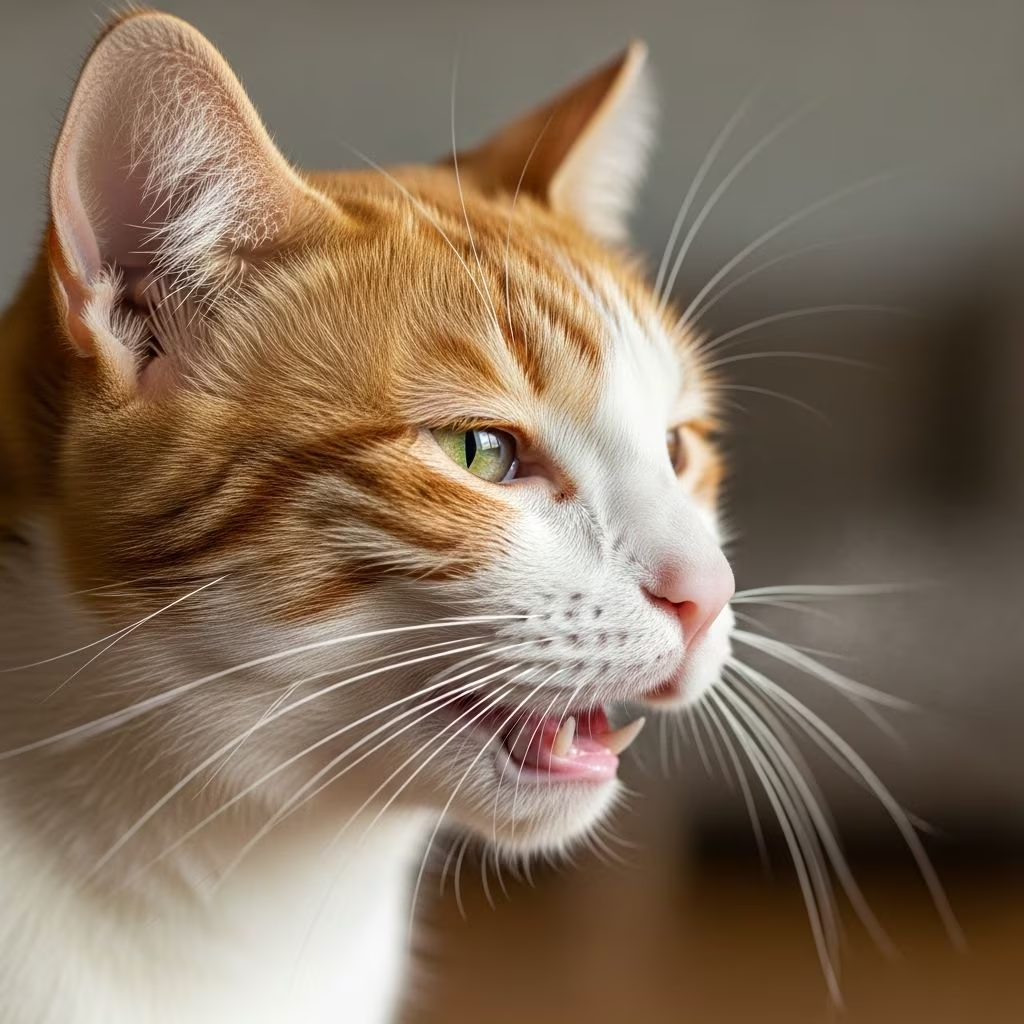
Why Is My Cat Coughing?
Cat coughing can be concerning for pet owners, especially when you’re unsure what’s causing it. A cough in cats serves as a protective mechanism, helping to clear the airways and lungs of irritants, mucus, or foreign objects. However, persistent or unusual coughing can indicate an underlying health condition that requires veterinary attention. Understanding the common causes of cat coughing and recognizing warning signs will help you determine when professional medical intervention is necessary.
Coughing in cats can stem from a variety of issues ranging from mild irritations to serious respiratory conditions. The causes can generally be categorized into respiratory infections, allergies, asthma, parasites, foreign body inhalation, and other systemic conditions. Each cause presents differently and requires specific treatment approaches to ensure your cat’s health and comfort.
Understanding Respiratory Infections in Cats
Respiratory infections are among the most common causes of coughing in cats. These infections can be viral, bacterial, or fungal in nature, each affecting the airways and lungs in different ways. Bacterial, viral, or fungal infections can inflame the airways, leading to persistent coughing. Upper respiratory infections, often caused by feline herpesvirus or calicivirus, can contribute to coughing due to congestion and mucus buildup.
When your cat develops a respiratory infection, you may notice several accompanying symptoms. If your cat is coughing and displaying additional symptoms such as sneezing, nasal discharge, or eye irritation, a respiratory infection could be the culprit. These symptoms indicate that both the upper and lower respiratory tracts may be affected, suggesting widespread inflammation or infection.
In more severe cases, pneumonia can develop, causing deep, productive coughs along with fever, lethargy, and difficulty breathing. Feline pneumonia is one of the more severe causes of cat coughing and requires prompt attention and urgent treatment. Prompt veterinary evaluation is necessary to determine the appropriate treatment, which may include antibiotics, antivirals, or supportive care.
Feline Asthma and Chronic Coughing
Feline asthma is a chronic respiratory condition that causes inflammation and narrowing of the airways, making breathing difficult for affected cats. This condition is a common cause of dry cough in cats, where inflamed airways lead to spasmodic coughing fits without much mucus production. Asthmatic coughing is often accompanied by wheezing, open-mouth breathing, and labored inhalation.
Cats with asthma may cough in episodes, particularly after exertion or exposure to environmental triggers such as dust, smoke, or strong fragrances. Cat coughing and wheezing may indicate asthma or severe allergic reactions, highlighting the need for immediate veterinary attention to manage breathing difficulties. Wheezing, in particular, suggests a constriction or obstruction in the airways, which can be acute and life-threatening if not addressed quickly.
The good news is that although feline asthma can’t be cured, there are many treatments available, including inhalers, injections and pills. These won’t make the underlying condition disappear but can help a cat breathe normally again and potentially lessen the frequency and severity of the attacks. Allergen testing is often recommended as well to narrow down the list of possible allergy triggers.
Parasites and Parasitic Infections
Parasitic infections represent another significant cause of persistent coughing in cats. Parasitic infections, particularly lungworms and heartworms, can cause persistent coughing in cats. These parasites affect the respiratory system, leading to inflammation and irritation in the airways.
While heartworms are more commonly associated with dogs, cats can also be infected, resulting in a condition known as heartworm-associated respiratory disease (HARD). Heartworm disease can still cause coughing in cats, with the worms living in the heart and major blood vessels, damaging the cardiovascular system and lungs. Cats may show signs of respiratory distress, including occasional coughing and rapid breathing, often mistaken for asthma or other respiratory conditions.
Coughing, lethargy, and breathing difficulties can all be signs of a parasitic infection. Since parasite-related coughing can mimic other respiratory conditions, diagnostic testing is essential. Preventative medications can help protect cats from these infections, so speak with your veterinarian about parasite prevention options.
Allergies and Inhaled Irritants
Environmental factors play a significant role in triggering coughing in sensitive cats. Cats are sensitive to airborne irritants such as smoke, dust, cleaning chemicals, and perfumes. When exposed to these substances, a cat may develop an allergic reaction, leading to coughing, sneezing, or watery eyes.
Seasonal allergies can also contribute to respiratory irritation, particularly in cats with existing sensitivities. If your cat’s coughing coincides with environmental changes, consider whether allergens or irritants may be present. Common environmental triggers include:
- Cigarette and household smoke
- Dust and dust mites
- Mold and mildew
- Strong fragrances and perfumes
- Cleaning product chemicals
- Pollen from outdoor plants
- Cat litter dust
Other Causes of Cat Coughing
Beyond the primary causes, several other conditions can trigger coughing in cats. Understanding these less common causes helps ensure comprehensive diagnosis and treatment.
Pleural Effusion
Pleural effusion involves fluid accumulation in the space around the lungs, making it difficult for cats to breathe and often leading to a cough. Heart failure, infections, or tumors can cause it. The fluid buildup reduces lung capacity, forcing the cat to cough to increase air intake and relieve discomfort.
Foreign Body Inhalation
Inhaling foreign objects like dust, small toys, or other irritants can trigger a dry cough as the cat’s body attempts to expel these items from the airway. In cases of foreign body inhalation, removal under sedation may be necessary as part of treatment.
Trauma and Injury
Trauma to the throat or chest area can lead to coughing as part of the body’s response to injury. This might include anything from a hit to a fall. Such incidents can cause swelling or bruising of the respiratory tract, which irritates the area and triggers a cough reflex.
Congestive Heart Failure
Signs of congestive heart failure in cats include shortness of breath, coughing, or wheezing. Heart disease can cause a cat to develop a cough, particularly in older cats or those with pre-existing cardiac conditions.
Cancer
In certain cases, chronic coughing may indicate cancer affecting the respiratory system or other parts of the body. For chronic conditions like cancer, more intensive therapies such as chemotherapy might be considered.
Recognizing Different Types of Coughs
The characteristics of your cat’s cough can provide valuable diagnostic clues to your veterinarian. Different cough patterns often indicate different underlying causes.
Dry Cough
A dry cough lacks mucus production and is often associated with asthma, allergies, or foreign body inhalation. These coughs tend to be sharp and uncomfortable for the cat.
Wet or Productive Cough
A wet cough involves mucus or phlegm production and is typically associated with respiratory infections, pneumonia, or fluid accumulation in the lungs. This type of cough may sound more rattling or gurgling.
Persistent Coughing
Similar to the cough seen in dogs, affected cats will exhibit a strong, persistent cough that can sound like a “honk.” This is due to irritation and inflammation in the trachea and upper airways.
Symptoms That Accompany Coughing
Your cat’s coughing rarely occurs in isolation. Recognizing accompanying symptoms helps narrow down potential causes and urgency levels.
Coughing and Sneezing
Concurrent sneezing and coughing are often signs of a respiratory infection, possibly viral or bacterial. This combination suggests that both the upper and lower respiratory tracts are affected. The presence of these symptoms often points to widespread inflammation or infection, such as feline herpesvirus or calicivirus, which require targeted treatments to manage symptoms and underlying causes.
Coughing and Wheezing
Cat coughing and wheezing may indicate asthma or severe allergic reactions, highlighting the need for immediate veterinary attention to manage breathing difficulties. Wheezing suggests a constriction or obstruction in the airways, which can be acute and life-threatening if not addressed quickly.
Other Associated Symptoms
Be alert to additional signs that may accompany coughing:
- Nasal discharge or runny nose
- Eye irritation or discharge
- Fever or lethargy
- Difficulty breathing or shortness of breath
- Loss of appetite
- Rapid breathing
- Open-mouth breathing
- Labored inhalation
Treatment Options for Cat Coughing
The treatment for cat and kitten coughing depends significantly on the underlying cause. Your veterinarian will conduct a thorough examination and may recommend various diagnostic tests to identify the specific cause before proposing treatment.
Medications and Therapies
Various medications can help manage coughing in cats, depending on the underlying condition:
- Antibiotics: Used for bacterial infections to eliminate the causative organisms
- Antivirals: May be prescribed for viral respiratory infections
- Corticosteroids: Help reduce inflammation, particularly for asthma management
- Bronchodilators: Help open airways and improve breathing
- Cough suppressants: May be used in specific situations to relieve symptoms
- Decongestants: Can help ease congestion in mild cases
- Inhalers and injections: Delivery methods for asthma medications
Supportive Care
Beyond specific medications, supportive care plays an important role in recovery. Treatment may include rest, fluids, and antibiotics to help clear up the majority of common cat infections. Targeted supplements may be helpful, which improve mucous membrane repair or act as immune stimulants. Anti-inflammatory drugs may be used to suppress inflammation, particularly if there is an allergic basis and the allergen cannot be found and removed from the cat’s environment.
Chronic Condition Management
If the coughing is a more chronic problem that has been present for one to two months, there may be permanent damage to the mucous membrane surfaces in the lungs such that they cannot heal. In these cases, respiratory infections may be prolonged and recurrent. Long-term management strategies become essential for maintaining your cat’s quality of life.
When to Seek Veterinary Care
Knowing when professional help is needed is crucial for your cat’s wellbeing. Seek immediate care for persistent coughing lasting more than a few days, wet productive coughs with phlegm, coughing accompanied by wheezing or difficult breathing. Additional warning signs include if your cat is struggling to breathe, showing signs of distress, or exhibiting systemic symptoms like fever or lethargy.
Do not try to treat your cat without the guidance of your vet. After your cat has been thoroughly examined, your vet will recommend appropriate treatment options. Professional diagnosis ensures that the underlying cause is properly identified and treated, preventing potential complications.
Prevention and Environmental Management
While not all causes of coughing can be prevented, you can take steps to reduce your cat’s risk and exposure to common triggers:
- Maintain a smoke-free household environment
- Use low-dust or dust-free cat litter
- Minimize use of strong cleaning chemicals and fragrances
- Ensure proper ventilation in your home
- Keep your cat up-to-date on vaccinations to prevent infectious diseases
- Discuss parasite prevention with your veterinarian
- Maintain regular veterinary check-ups
- Reduce stress, which can exacerbate respiratory conditions
Frequently Asked Questions About Cat Coughing
Q: Is cat coughing always serious?
A: Not all cat coughing indicates a serious condition. While some causes are minor irritations, others can be serious or life-threatening. It’s best to consult your veterinarian if coughing persists or is accompanied by other symptoms.
Q: Can cat coughing go away on its own?
A: Some minor coughing caused by mild irritants may resolve independently, but persistent coughing typically requires veterinary evaluation and treatment to address the underlying cause.
Q: How is cat coughing diagnosed?
A: Veterinarians typically start with a physical examination and medical history. Depending on findings, diagnostic tests such as X-rays, ultrasound, blood work, or allergen testing may be recommended to identify the specific cause.
Q: Are certain cat breeds more prone to coughing?
A: While all cats can develop respiratory issues, some breeds may have predispositions to certain conditions. Your veterinarian can discuss breed-specific health concerns with you.
Q: Can indoor cats get respiratory infections?
A: Yes, indoor cats can contract respiratory infections through exposure to other cats, contaminated environments, or through human contact. Vaccination helps reduce this risk.
Q: What should I do if my cat is coughing and having trouble breathing?
A: Difficulty breathing combined with coughing is a medical emergency. Contact your veterinarian immediately or seek emergency veterinary care, as this could indicate a serious condition requiring urgent intervention.
References
- Cat Coughing Causes — West Loop Veterinary Care. 2024. https://westloopvet.com/blog/cat-coughing/
- Coughing in Cats: Causes & Treatment — UrgentVet. 2024. https://urgentvet.com/coughing-in-cats/
- Coughing in Cats — VCA Animal Hospitals. 2024. https://vcahospitals.com/know-your-pet/coughing-in-cats
- Common Causes of Coughing in Cats — East Orlando Animal Hospital. 2022. https://www.eoah.com/site/blog/2022/06/15/common-causes-coughing-cats
- Cat Coughing: Symptoms & When to Take Action — Purina. 2024. https://www.purina.com/articles/cat/health/symptoms/coughing
- Why is my Cat Coughing? — Veterinary Emergency Group (VEG). 2024. https://www.veg.com/post/why-is-my-cat-coughing
- Common Causes of Coughing in Cats — Trudell Animal Health. 2024. https://trudellanimalhealth.com/blogs/blog/common-causes-of-coughing-in-cats



