

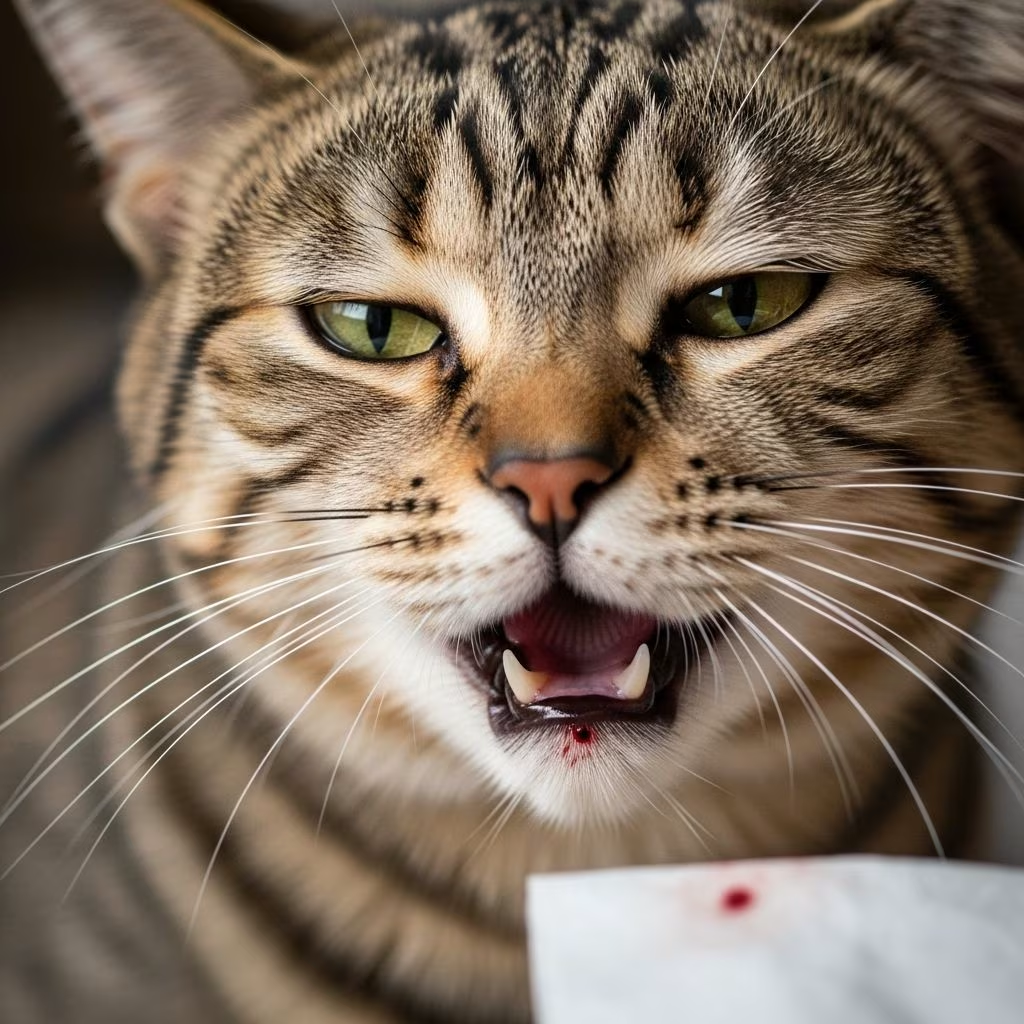
When you notice your cat coughing up blood, it can be frightening and confusing. This condition, known medically as hemoptysis, represents a significant health concern that demands prompt veterinary evaluation. The appearance of blood in a cat’s cough indicates that something is wrong within the respiratory system or associated structures, and the severity can range from manageable to life-threatening depending on the underlying cause.
Recognizing Hemoptysis in Cats
Hemoptysis in cats manifests when blood appears in the material your cat expels during coughing. This differs from vomiting blood, though the two conditions can sometimes be confused by pet owners. When your cat coughs up blood, it originates from the lungs, airways, or respiratory tract, whereas blood in vomit typically comes from the digestive system. Understanding this distinction is important because it helps your veterinarian identify the source of the problem more accurately.
The blood your cat coughs up may appear in different ways. Sometimes it appears as bright red streaks mixed with saliva or mucus. Other times, you might notice blood-tinged discharge that’s darker in appearance. The amount can vary significantly—from small specks barely visible in the material your cat expels to more substantial quantities that represent genuine cause for immediate concern.
Primary Respiratory Causes of Blood in Cough
Several respiratory conditions can lead to your cat coughing up blood. These conditions affect the delicate tissues lining the airways and lungs, causing inflammation, irritation, or damage that results in bleeding.
Respiratory Tract Infections
Bacterial or viral infections represent one of the most common reasons cats develop respiratory symptoms including coughing. These infections cause inflammation of the airway tissues, making them prone to bleeding. Upper respiratory infections, such as feline viral rhinotracheitis, can create significant airway irritation. As your cat’s body fights the infection, the inflamed tissues become fragile and may bleed when irritated by coughing.
Bronchitis and Airway Inflammation
Bronchitis involves inflammation of the bronchial tubes—the small airways carrying air throughout the lungs. This inflammatory condition causes the tissues to swell and become sensitive. When your cat coughs to clear irritation from these inflamed airways, bleeding can occur if the tissues are severely damaged or if blood vessels have been compromised by the inflammation.
Parasitic Infections of the Respiratory System
Certain parasites can lodge in a cat’s respiratory system and cause bleeding. Lungworms and roundworms, for instance, migrate through the lungs and airways, causing inflammation and tissue damage. As these parasites move through the respiratory tract, they irritate the delicate lung tissue, potentially causing bleeding that appears in your cat’s cough.
Systemic Conditions Contributing to Respiratory Bleeding
Sometimes blood appears in a cat’s cough not because of primary lung disease, but because of systemic conditions affecting the entire body.
Heartworm Disease
Heartworm represents a serious parasitic condition transmitted through mosquito bites. When heartworms lodge in a cat’s heart and lungs, they cause inflammation and damage to these vital organs. This parasitic infection triggers a dry, hacking cough, and the inflammation can lead to bleeding in the respiratory tract. Cats with heartworm disease are at risk for severe complications, making prevention crucial for cats with outdoor access.
Cardiovascular Disease and Heart Failure
Heart disease can indirectly cause respiratory bleeding. When the heart doesn’t pump efficiently, fluid backs up into the lungs, a condition called pulmonary edema. Additionally, certain heart conditions can lead to blood clots forming in the lungs (pulmonary thromboembolism), which causes sudden difficulty breathing, rapid breathing, and coughing with blood. These cardiovascular emergencies require immediate veterinary intervention.
Blood Clotting Disorders
Conditions that impair blood clotting can result in bleeding anywhere in the body, including the respiratory tract. Hemophilia, a rare inherited disorder, prevents blood from clotting properly. Cats can also acquire blood clotting disorders through exposure to toxins like rat poison, which interferes with the body’s ability to form stable clots. When clotting function is compromised, any minor injury or inflammation in the respiratory tract becomes a source of bleeding.
Toxin Exposure and Poisoning
Environmental toxins can cause respiratory bleeding through multiple mechanisms. Rat poison and pesticides specifically interfere with blood clotting processes. When cats ingest poisoned rodents or come into direct contact with these substances, they develop coagulopathy—an inability to clot blood properly. This can manifest as coughing up blood, along with other symptoms including breathing difficulties, lethargy, and loss of appetite.
Trauma and Foreign Objects
Physical injury to the chest or respiratory tract can cause bleeding that appears in the cough. Blunt force trauma from accidents, falls, or fights can damage lung tissue and blood vessels. Additionally, foreign objects lodged in the airway can cause irritation, inflammation, and tissue damage leading to bleeding. Some cats may inhale small objects that become trapped in the respiratory system, creating ongoing irritation.
Allergies and Environmental Factors
Environmental allergens such as pollen, dust, or mold can trigger airway inflammation in sensitive cats. While allergies typically cause dry coughing rather than bleeding, severe allergic reactions with intense coughing can occasionally cause minor bleeding if the airways become very inflamed and irritated.
Distinguishing Blood in Cough From Other Conditions
Pet owners sometimes confuse coughing up blood with vomiting blood. The distinction matters because it points toward different underlying problems. When a cat coughs up blood, the source is the respiratory system. When a cat vomits blood, the source is typically the digestive system. Your veterinarian will perform a thorough examination to determine the actual source of bleeding, as this directly influences the diagnostic and treatment approach.
Additionally, some cats may swallow blood from nosebleeds or mouth injuries and then vomit it, which can create confusion about whether the primary problem is respiratory or digestive.
Accompanying Symptoms and Warning Signs
The presence of additional symptoms helps determine the severity of your cat’s condition and how urgently you need veterinary care. Symptoms accompanying hemoptysis that warrant emergency attention include:
- Bluish or pale gums, indicating poor oxygen circulation
- Lethargy or extreme fatigue
- Difficulty breathing or rapid, labored breathing
- Loss of appetite or refusal to eat
- Fever
- Excessive drooling
- Fainting or collapse
- Signs of pain or discomfort
If your cat exhibits any of these symptoms alongside coughing up blood, seek emergency veterinary care immediately.
Diagnostic Approach to Hemoptysis
Your veterinarian will conduct a systematic evaluation to identify the cause of your cat’s hemoptysis. This typically includes:
- Physical examination assessing overall health status and listening to lung sounds with a stethoscope
- Blood work to evaluate clotting function and rule out systemic diseases
- Imaging studies such as chest X-rays to visualize lung structure and identify abnormalities
- Additional testing based on initial findings, which may include ultrasound, CT scanning, or bronchoscopy
- Parasite screening if heartworm, lungworms, or roundworms are suspected
Treatment Options and Management Strategies
Treatment for hemoptysis depends entirely on the underlying cause. Once your veterinarian identifies why your cat is coughing up blood, appropriate therapy can begin.
For infections, antibiotics or antiviral medications may be prescribed depending on whether bacteria or viruses are responsible. Parasitic infections require specific anti-parasitic medications tailored to the type of parasite involved. Blood clotting disorders may require vitamin K supplementation, particularly if rat poison exposure is confirmed. Cardiovascular conditions might necessitate heart medications, fluid management, or other cardiac therapies.
In some cases, supportive care is essential while the underlying condition resolves. This might include oxygen therapy for cats with severe breathing difficulties, rest and reduced activity, and close monitoring of symptoms.
When to Seek Emergency Veterinary Care
Certain situations require immediate emergency veterinary evaluation rather than waiting for a regular appointment. Seek emergency care if:
- Your cat is coughing up significant amounts of blood
- Your cat has difficulty breathing or appears to be in respiratory distress
- Your cat is a kitten, as young cats are more prone to serious complications
- Coughing up blood is accompanied by lethargy, fever, loss of appetite, or abnormal breathing
- Your cat has bluish gums or mucous membranes
- Your cat faints, collapses, or seems unable to recover between coughing episodes
Prevention Strategies for Respiratory Health
While not all causes of hemoptysis can be prevented, several measures reduce your cat’s risk of developing respiratory problems that might lead to bleeding:
- Heartworm Prevention: Use veterinary-recommended heartworm preventatives year-round, especially for cats with outdoor access
- Parasite Control: Maintain regular parasite screening and treatment as recommended by your veterinarian
- Vaccination: Keep your cat’s respiratory vaccines current to prevent viral infections
- Environmental Control: Minimize your cat’s exposure to airborne irritants, smoke, and poor air quality
- Toxin Avoidance: Keep rat poison, pesticides, and other toxic substances away from your cat
- Regular Checkups: Schedule annual or twice-yearly veterinary examinations to catch early signs of respiratory or cardiac disease
Frequently Asked Questions
Is coughing up blood always an emergency?
While all hemoptysis requires veterinary evaluation, not every instance is immediately life-threatening. However, because serious conditions can present with this symptom, it’s safest to assume it requires prompt professional assessment. If your cat is otherwise acting normally and coughing up only small amounts of blood, contact your veterinarian for guidance, but if your cat shows any signs of distress, difficulty breathing, or seems systemically ill, seek emergency care immediately.
Can allergies cause a cat to cough up blood?
Allergies typically cause dry coughing rather than hemoptysis. However, severe allergic reactions causing intense, prolonged coughing can occasionally result in minor bleeding if the airways become very irritated. If your cat coughs up blood, more serious causes should be investigated even if allergies are present.
What’s the difference between coughing up blood and vomiting blood?
The origin of the blood determines whether your cat is coughing or vomiting it. Blood from the respiratory system appears in cough material, while blood from the digestive system appears in vomit. These distinctions help your veterinarian determine the source of the problem. Sometimes the presentation can be ambiguous, which is why veterinary examination is important.
Can indoor cats get conditions that cause hemoptysis?
Yes, indoor cats can develop respiratory infections, heart disease, blood clotting disorders, and other conditions causing hemoptysis. While some conditions like heartworm are more common in outdoor cats, indoor cats still require monitoring for respiratory symptoms.
How long can a cat live with hemoptysis?
Prognosis depends entirely on the underlying cause. Some conditions are manageable long-term with appropriate treatment, while others can be life-threatening without immediate intervention. Your veterinarian can provide a more specific prognosis once they’ve identified the cause of your cat’s hemoptysis.
References
- What Does It Mean When Your Cat Throws Up Blood? — Purina US. https://www.purina.com/articles/cat/health/digestion/cat-throwing-up-blood
- My cat just coughed up a bit of blood and seems to be wheezing — Dial A Vet. https://www.dialavet.com/vet-answers/cat-coughed-blood-wheezing-worried-128078
- Why Is My Cat Throwing Up Blood? — Penny Paws. https://pennypaws.com/blog/why-is-my-cat-throwing-up-blood/
- Why Is My Cat Vomiting Blood? — Hill’s Pet US. https://www.hillspet.com/cat-care/healthcare/why-is-my-cat-vomiting-blood
- Cat Coughing: Why It Happens and When To Call Your Vet — PetMD. https://www.petmd.com/cat/symptom/cat-coughing
- Why Is My Cat Throwing Up Blood? — Bond Vet. https://bondvet.com/blog/why-is-my-cat-throwing-up-blood
- Pulmonary Thromboembolism (Blood Clots in the Lungs) in Cats — VCA Animal Hospitals. https://vcahospitals.com/know-your-pet/pulmonary-thromboembolism-blood-clots-in-the-lungs-in-cats



