

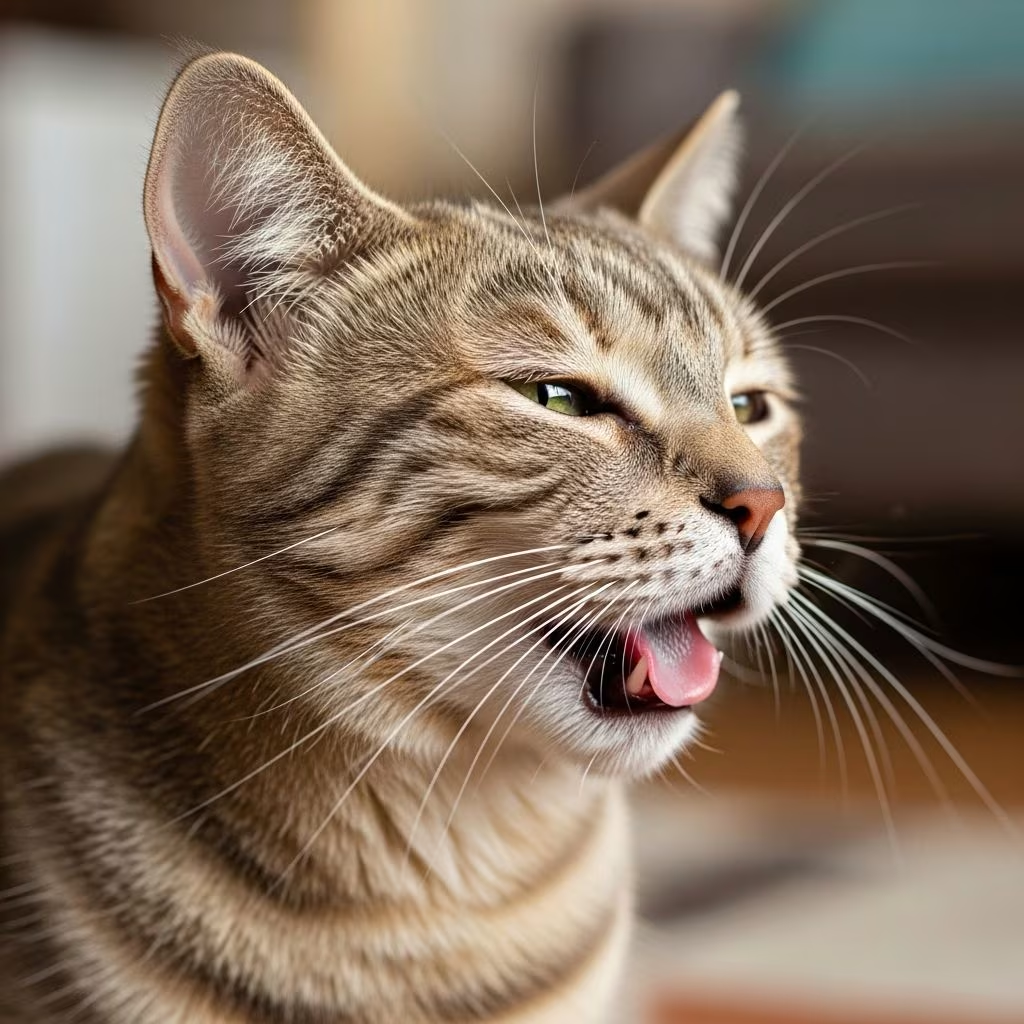
Cat coughing is a distressing symptom that no pet owner wants to hear. Unlike dogs, cats rarely cough without an underlying issue, often indicating irritation in the airways, lungs, or throat. It can range from a mild, occasional hack to persistent wheezing that signals a medical emergency. Understanding the causes, recognizing symptoms, and knowing when to act can make all the difference in your cat’s health.
This comprehensive guide covers everything from common triggers like asthma and hairballs to serious conditions such as pneumonia and heart disease. We’ll explore diagnosis, treatment options, home remedies, prevention strategies, and FAQs to help you support your feline companion.
What Does Cat Coughing Look Like?
Cat coughing often resembles a hairball expulsion but differs in sound and action. It typically involves a sudden, forceful expulsion of air from the lungs, producing a dry, hacking, or honking sound. Your cat may crouch low, extend its neck, and make retching motions with eyes watering or mouth open. Unlike vomiting, coughing originates from the chest rather than the stomach.
Observe the cough type: dry coughs are harsh and non-productive, common in asthma or allergies; wet coughs sound gurgly with mucus, suggesting infection or pneumonia. Frequency matters—occasional coughs might be benign, but persistent ones (more than a few times daily) warrant attention.
Common Causes of Coughing in Cats
Coughing stems from irritation or inflammation in the respiratory tract. Here are the most frequent culprits:
- Asthma: The leading cause, affecting 1-5% of cats. Triggers like pollen, dust, or smoke cause airway spasms, leading to wheezing and coughing fits. Outdoor cats are at higher risk.
- Respiratory Infections: Viral (feline herpesvirus, calicivirus), bacterial (Bordetella), or fungal pathogens inflame airways, causing coughs with sneezing and nasal discharge.
- Allergies: Similar to humans, cats react to dust mites, pollen, mold, or litter, resulting in chronic coughing and itching.
- Hairballs: Frequent grooming leads to trichobezoars, expelled via cough-like retching. Excessive hairballs signal diet or grooming issues.
- Foreign Bodies: Inhaled grass, seeds, or toys irritate airways, prompting sudden coughs.
Serious Causes of Cat Coughing
While mild issues resolve quickly, these demand urgent vet intervention:
- Heartworm Disease: Mosquito-transmitted parasites damage lungs and heart, causing cough, fatigue, and weight loss. Preventable but potentially fatal.
- Pneumonia: Bacterial, viral, or aspirated fluid fills lungs with infection, producing wet, crackly coughs, fever, and lethargy.
- Congestive Heart Failure: Fluid buildup in lungs from heart disease leads to coughing, rapid breathing, and blue gums.
- Lung Cancer or Tumors: Rare but aggressive, tumors obstruct airways, causing chronic cough and bloody sputum.
- Parasites (Lungworms): Migrating worms irritate lungs; common in outdoor cats.
- Tight Collars or Trauma: Pressure on the trachea from ill-fitting collars causes persistent hacking.
Symptoms to Watch For
Beyond coughing, monitor accompanying signs:
- Wheezing or labored breathing
- Lethargy, appetite loss, or weight loss
- Runny nose/eyes, fever, or dehydration
- Gum color changes (pale/blue) or open-mouth breathing
- Bloody cough or foamy discharge
If symptoms persist over 24-48 hours or worsen, seek emergency care. Kittens, seniors, or cats with pre-existing conditions are vulnerable.
When Is Cat Coughing an Emergency?
Not all coughs are urgent, but these red flags require immediate vet visit:
| Symptom | Why It’s Serious |
|---|---|
| Difficulty breathing or open-mouth panting | Oxygen deprivation; life-threatening |
| Coughing up blood or thick mucus | Indicates hemorrhage, infection, or cancer |
| Blue/purple gums or tongue | Hypoxia from heart/lung failure |
| Extreme lethargy or collapse | Systemic illness progression |
| Cough lasting >3 days with fever | Untreated infection spreading |
Err on caution—cats hide illness well, masking severity until critical.
Diagnosis: How Vets Identify the Cause
Veterinarians start with history (onset, environment, vaccines) and physical exam, listening to lungs/heart. Diagnostics include:
- Chest X-rays: Reveal pneumonia, tumors, fluid, or heart enlargement.
- Bloodwork/Fecal Tests: Detect infections, parasites, heartworms.
- Ultrasound/ECG: Assess heart function.
- Endoscopy/Bronchoscopy: Visualize airways for foreign bodies or inflammation.
- Allergy Testing: Skin or blood panels for triggers.
Early diagnosis improves outcomes, often via non-invasive steps first.
Treatment Options for Coughing Cats
Treatment targets the root cause:
- Asthma/Allergies: Corticosteroids (oral/injected/inhaled) reduce inflammation; bronchodilators open airways. Minimize triggers.
- Infections: Antibiotics for bacteria; antivirals/supportive care for viruses; antifungals for fungal issues.
- Heartworm: Adulticides (risky), preventives lifelong.
- Pneumonia/Heart Failure: Oxygen therapy, diuretics, antibiotics.
- Hairballs/Foreign Bodies: Laxatives, endoscopy removal.
- Cancer: Surgery, chemo, palliative care.
Cough suppressants are rarely used alone, as coughing clears irritants. Hospitalization may be needed for severe cases.
Home Remedies and Supportive Care
While awaiting vet care:
- Humidify air (steamy bathroom) to loosen mucus.
- Ensure hydration and bland diet.
- Isolate from stressors/smoke.
- Use hairball remedies (petroleum jelly-based) sparingly.
Avoid OTC human meds—toxic to cats.
Prevention Tips for Cat Coughing
Proactive steps reduce risk:
- Keep vaccines current against respiratory viruses.
- Monthly heartworm/flea preventives.
- Use low-dust litter; vacuum regularly.
- Heart-healthy diet; maintain ideal weight.
- Indoor living minimizes infections/parasites.
- Annual vet checkups with fecal/blood screens.
Frequently Asked Questions (FAQs)
Why is my cat coughing but not sick?
Often asthma, allergies, or hairballs mimic illness without fever. Vet exam rules out hidden issues.
Can hairballs cause coughing in cats?
Yes, but frequent ones (>1-2/month) signal problems. Increase brushing/fiber intake.
How long can a cat cough before it’s serious?
Over 24-48 hours, especially with other symptoms. Chronic coughs (>1 week) need investigation.
Is cat coughing contagious?
Viral infections yes; isolate and vaccinate household cats.
Can stress cause coughing in cats?
Indirectly via asthma flares. Provide calm environments.
What does a heartworm cough sound like in cats?
Honking or gagging, with breathing difficulty.
References
- Common Causes of Coughing in Cats — East Orlando Animal Hospital. 2022-06-15. https://www.eoah.com/site/blog/2022/06/15/common-causes-coughing-cats
- Coughing in Cats — VCA Animal Hospitals. Accessed 2026. https://vcahospitals.com/know-your-pet/coughing-in-cats
- Coughing in Cats: Causes & Treatment — UrgentVet. Accessed 2026. https://urgentvet.com/coughing-in-cats/
- Cat Coughing: Symptoms & When to Take Action — Purina. Accessed 2026. https://www.purina.com/articles/cat/health/symptoms/coughing
- Why is my Cat Coughing? — Veterinary Emergency Group. Accessed 2026. https://www.veg.com/post/why-is-my-cat-coughing



