

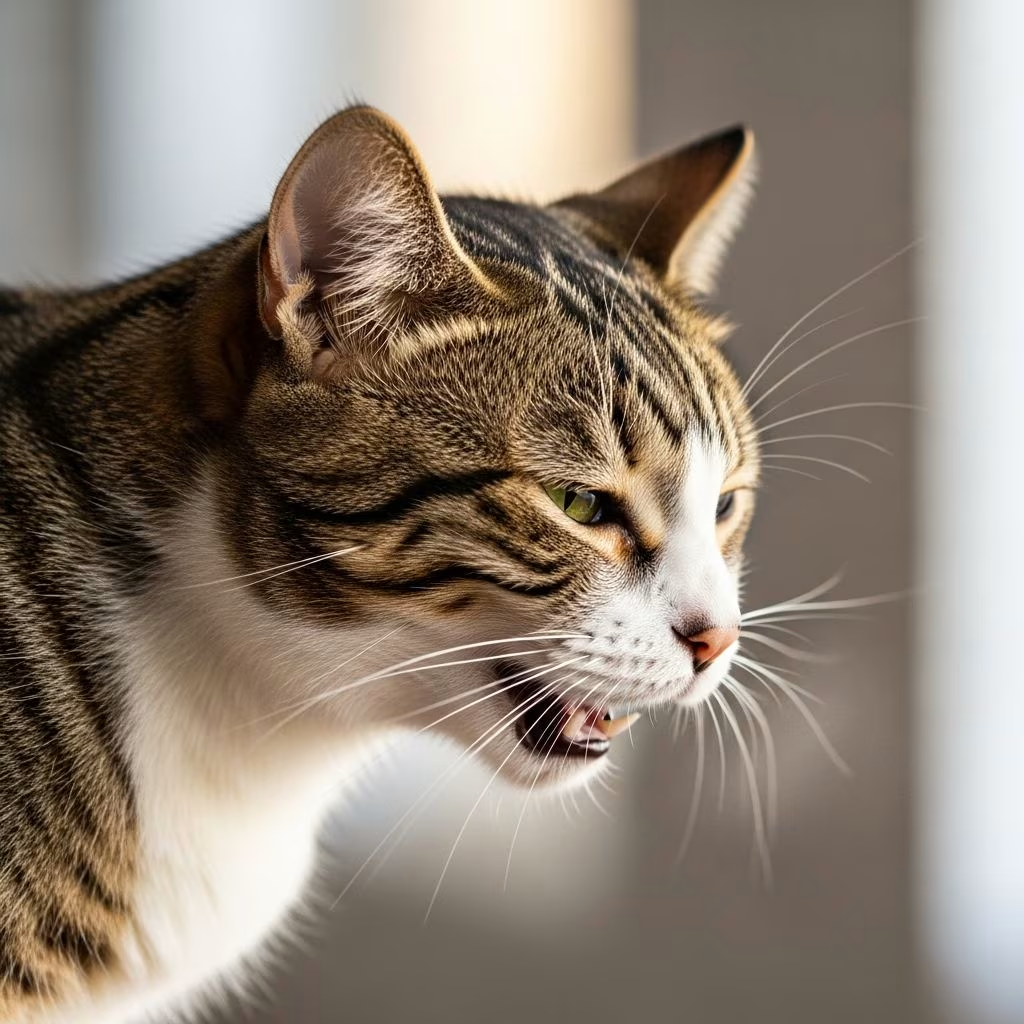
Coughing in cats is not as common as in dogs but serves as a protective reflex to clear irritants from the airways. It can range from occasional hairball expulsion to signs of serious respiratory diseases like asthma or infections. Understanding the underlying causes is crucial for timely intervention, as some conditions require immediate veterinary attention.
Why Is My Cat Coughing?
Cat coughing often indicates irritation or inflammation in the respiratory tract, throat, or lungs. Unlike hairballs, which involve retching and vomiting, true coughing originates from the lungs and chest, producing a hacking or honking sound. Common triggers include infections, allergies, parasites, and chronic conditions.
Observing the cough’s characteristics helps narrow down causes: dry and hacking suggests asthma or allergies; wet and productive may indicate pneumonia or infections; honking points to tracheal issues.
Common Causes of Cat Coughing
- Asthma: The most frequent respiratory disorder in cats, causing chronic airway inflammation and narrowing. Outdoor cats are at higher risk due to allergens like pollen. Symptoms include wheezing, open-mouth breathing, and persistent dry coughs.
- Respiratory Infections: Viral (e.g., feline viral rhinotracheitis) or bacterial infections inflame airways, leading to dry or wet coughs, sneezing, nasal discharge, and lethargy. Vaccinated cats have lower risk.
- Allergies: Environmental triggers like pollen, dust, mold, or litter irritate airways, mimicking asthma with dry coughing and wheezing.
- Heartworm Disease: Transmitted by mosquitoes, this parasitic infection inflames lungs and heart, causing dry hacking coughs. Preventatives are essential, as treatment can be complicated.
- Parasites (Lungworms, Roundworms): Migrating worms irritate lungs, prompting coughing. Regular fecal tests detect these early.
- Bronchitis: Inflammation of bronchial tubes leads to dry, hacking coughs from irritants or infections.
- Pneumonia: Bacterial, viral, or fungal lung infections cause wet, crackly coughs with fever and breathing difficulty. X-rays confirm diagnosis.
- Foreign Objects or Irritants: Inhaled grass, dust, smoke, or tight collars can trigger acute coughing.
- Heart Disease (Congestive Heart Failure): Fluid buildup in lungs causes coughing, shortness of breath, and lethargy. Ultrasound diagnoses it.
- Cancer or Tumors: Rare but serious; airway tumors obstruct breathing, causing chronic coughs. Surgery or chemo may be options.
- Collapsing Trachea: Narrowed windpipe produces a goose-honk cough, though rarer in cats.
Symptoms to Watch For
Beyond coughing, accompanying signs indicate severity. Mild cases might involve occasional episodes with normal appetite and energy. Concerning symptoms include:
- Labored breathing, wheezing, or open-mouth panting.
- Lethargy, loss of appetite, or weight loss.
- Bluish gums, blood-tinged mucus, or foamy discharge.
- Fever, nasal/eye discharge, or dehydration.
- Coughing fits lasting over a day or worsening over time.
If your cat coughs more than 3-5 times daily, struggles to breathe, or shows emergency signs like collapse, seek vet care immediately.
Diagnosis: What to Expect at the Vet
Veterinarians start with a physical exam, listening to lungs and checking for parasites. Diagnostics may include:
- Chest X-rays to visualize lungs, heart, and airways.
- Blood tests for infections, heartworm, or inflammation markers.
- Fecal analysis for worms.
- Endoscopy or bronchoscopy for foreign objects or tumors.
- Allergy testing or ultrasound for heart issues.
Early diagnosis improves outcomes, especially for treatable conditions like infections.
Treatment Options for Cat Coughing
Treatment targets the root cause and may combine medications, lifestyle changes, and supportive care. Never self-medicate, as human drugs can be toxic to cats.
| Condition | Common Treatments |
|---|---|
| Asthma/Allergies | Bronchodilators (e.g., albuterol inhalers), corticosteroids (prednisolone), environmental allergen reduction |
| Infections | Antibiotics (e.g., Clavamox), antivirals, supportive fluids |
| Parasites | Anti-parasitics (e.g., Revolution), dewormers |
| Pneumonia/Heart Failure | Antibiotics, oxygen therapy, diuretics |
| Tumors/Foreign Objects | Surgery, chemotherapy |
Supportive measures include humidifiers for moist air, rest in a stress-free environment, and hairball remedies for mild cases. Chronic conditions like asthma require lifelong management.
When to See a Vet: Emergency Signs
Not all coughs are urgent, but err on caution. Contact your vet if:
- Cough persists >24-48 hours or increases in frequency.
- Accompanied by breathing distress, blue gums, or collapse.
- Visible weight loss, fever, or bloody sputum.
- Your cat is a kitten, senior, or unvaccinated.
Emergency clinics handle after-hours crises like choking or severe pneumonia.
Prevention Tips for Respiratory Health
Proactive steps reduce risks:
- Vaccinations: Core vaccines prevent viral infections.
- Parasite Preventatives: Monthly heartworm and flea treatments.
- Indoor Living: Limits exposure to allergens, fungi, and mosquitoes.
- Litter Choice: Dust-free, low-allergen litters.
- Air Quality: Avoid smoke, perfumes; use air purifiers.
- Regular Checkups: Annual exams with fecal/blood tests.
- Weight Management: Obesity worsens breathing issues.
For hairball-prone cats, increase grooming, fiber-rich diets, and pumpkin supplements help.
Frequently Asked Questions (FAQs)
Is cat coughing always serious?
No, occasional coughing from hairballs or dust is common, but persistent or symptomatic coughs warrant a vet visit.
How does cat asthma coughing sound?
Typically dry, hacking, or wheezing, often triggered by activity or excitement.
Can hairballs cause coughing?
Hairballs cause retching/gagging, not true lung-based coughing. Frequent episodes may mimic respiratory issues.
What home remedies help a coughing cat?
Steam from a humidifier or bathroom shower can soothe; ensure hydration. Always consult a vet first.
Can cats recover from pneumonia?
Yes, with prompt antibiotics and care, most do, though seniors may need hospitalization.
Living with a Coughing Cat: Long-Term Care
Chronic coughers like asthmatic cats thrive with tailored plans: hypoallergenic diets, weekly inhaler use, and trigger avoidance. Monitor progress with follow-up X-rays. Owners report improved quality of life post-diagnosis. Research from VCA Hospitals emphasizes early intervention prevents permanent lung damage. PetMD notes 80% of feline coughs stem from inflammatory conditions treatable with meds.
In summary, while alarming, most cat coughs are manageable. Vigilance and vet partnership ensure your feline’s respiratory health.
References
- Cat Coughing: Why It Happens and When To Call Your Vet — PetMD. 2023-10-15. https://www.petmd.com/cat/symptom/cat-coughing
- Common Causes of Coughing in Cats — East Orlando Animal Hospital. 2022-06-15. https://www.eoah.com/site/blog/2022/06/15/common-causes-coughing-cats
- Coughing in Cats — VCA Animal Hospitals. 2024-05-20. https://vcahospitals.com/know-your-pet/coughing-in-cats
- Cat Coughing: Symptoms & When to Take Action — Purina. 2023-08-10. https://www.purina.com/articles/cat/health/symptoms/coughing
- Why is my Cat Coughing? — Veterinary Emergency Group. 2023-11-05. https://www.veg.com/post/why-is-my-cat-coughing
- Why Is My Cat Coughing? Emergency Signs & Fast Action Steps — GSVS. 2024-02-12. https://gsvs.org/blog/why-cat-coughing-emergency/



