

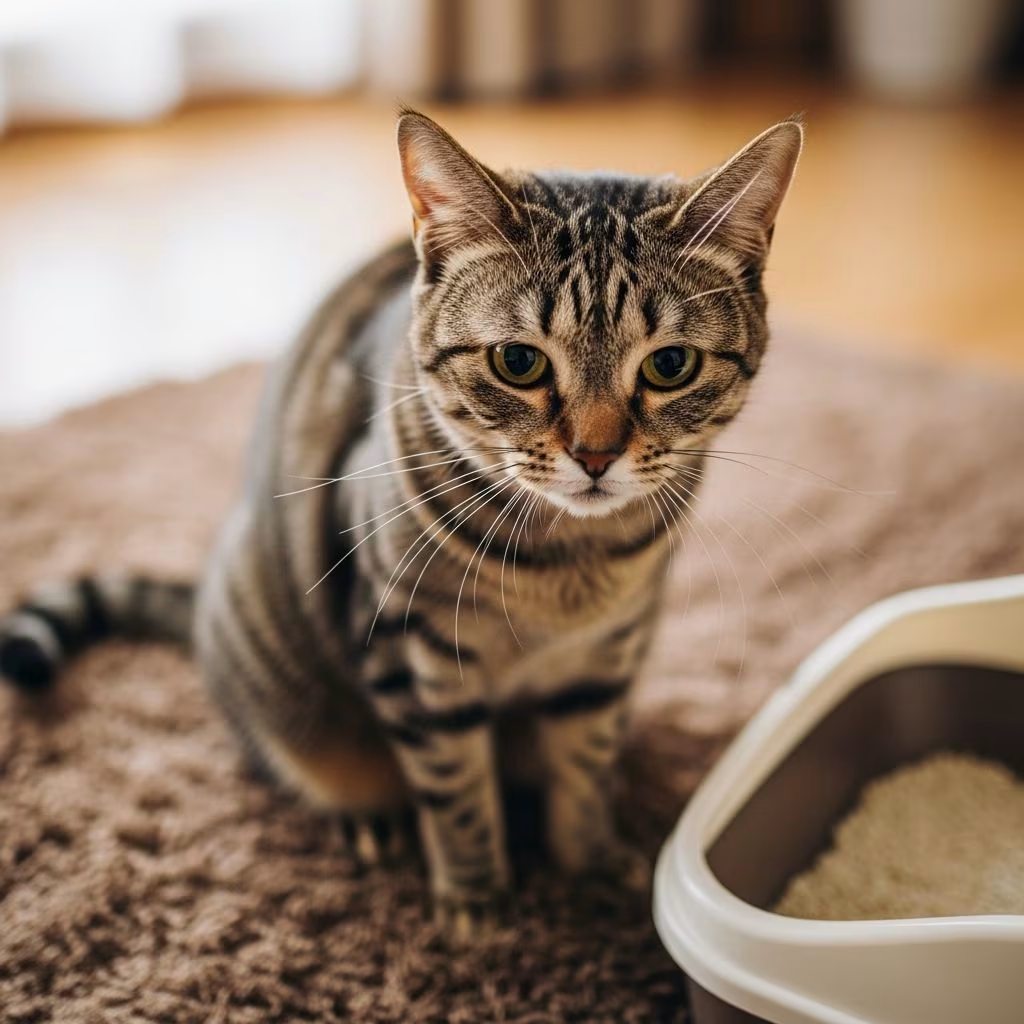
Cat constipation is a common digestive issue where cats struggle to pass firm, dry stools, often straining without success. It affects cats of all ages but is more prevalent in seniors due to mobility issues or chronic conditions. Early intervention prevents escalation to obstipation or megacolon, serious states requiring veterinary care.
What is cat constipation?
Constipation in cats occurs when stool moves too slowly through the large intestine, becoming dry and hard. Unlike normal firm stools passed every 1-2 days, constipated cats may go days without defecating or produce small, pebble-like feces. If untreated, it leads to discomfort, pain, and potential complications like megacolon, where the colon dilates and loses function.
Normal cat bowel movements involve soft-to-firm stools 1-2 times daily. Constipation differs from diarrhea or obstipation (severe blockage). Affected cats often vocalize pain or avoid the litter box.
Symptoms of constipation in cats
Recognizing symptoms early allows prompt action. Common signs include:
- Straining in the litter box with no or minimal stool production
- Hard, dry, pebble-like feces or small amounts
- Infrequent defecation (less than every 2-3 days)
- Abdominal discomfort or bloating
- Lethargy and decreased appetite
- Vomiting from toxin buildup
- Decreased energy and withdrawal from family
Observe litter box habits closely. If your cat eliminates outside the box or cries during attempts, seek vet care immediately.
Causes of cat constipation
Several factors contribute to constipation. Understanding them helps target treatment:
- Dehydration: Inadequate water intake dries stools, especially with dry food diets.
- Dietary issues: Low-fiber diets or sudden changes slow motility.
- Hairballs/ingestion: Excessive grooming leads to hair accumulation blocking the colon.
- Obstructions: Swallowed objects like string, bones, or tumors narrow passages.
- Pain/mobility: Arthritis, spinal issues, or anal sac problems make posturing painful.
- Chronic diseases: Kidney disease, hyperthyroidism, diabetes, IBD, or hypercalcemia impair function.
- Stress/anxiety: Environmental changes disrupt gut motility.
- Megacolon: Colon dilation from chronic constipation, often idiopathic.
Elderly cats face higher risks from comorbidities like CKD, causing dehydration. Pelvic fractures can narrow canals, leading to chronic issues.
Diagnosis of cat constipation
Vets diagnose via physical exam, palpating a firm colon. Additional tests include:
- Bloodwork for dehydration, kidney function, electrolytes.
- X-rays to assess fecal load, obstructions, or megacolon.
- Ultrasound for tumors or organ issues.
- Fecal analysis for parasites.
Early diagnosis rules out underlying diseases.
Treatment for cat constipation
Treatment depends on severity and cause:
Home remedies and management
For mild cases:
- Hydration: Switch to wet food, add water fountains, or flavor water.
- Diet: High-fiber food or add 1 tsp canned pumpkin daily.
- Exercise: Play to promote motility and reduce stress.
- Probiotics: Support gut flora.
- Weight management: Obesity hinders defecation.
Avoid human laxatives without vet approval.
Veterinary treatments
Severe cases require:
- Enemas: Warm water or Fleet enemas under sedation.
- Laxatives: Lactulose, Miralax, or DSS to soften stool.
- Prokinetics: Drugs like cisapride increase motility.
- Manual disimpaction: Under anesthesia for obstipation.
- Surgery: For megacolon or tumors, colon resection.
IV fluids rehydrate hospitalized cats.
Prevention of cat constipation
Prevent recurrence with:
- Consistent high-moisture, high-fiber diet.
- Multiple clean litter boxes to reduce stress.
- Regular grooming to minimize hairballs.
- Encourage drinking via fountains or broth.
- Exercise and weight control.
- Manage underlying conditions like arthritis.
Monitor seniors closely.
When to see a vet for cat constipation
Seek immediate care if:
- No stool in 2-3 days with straining.
- Vomiting, lethargy, or appetite loss.
- Bloated abdomen or blood in stool.
- Recurrent episodes.
Constipation signals serious issues; don’t delay.
Cat constipation remedies table
| Remedy Type | Description | Vet Approval Needed? |
|---|---|---|
| Hydration boost | Wet food, fountains | No |
| Fiber add | Pumpkin (1 tsp/day) | No |
| Probiotics | Gut health support | Preferred |
| Laxatives | Miralax, lactulose | Yes |
| Enemas | For severe cases | Yes, vet-performed |
Frequently Asked Questions (FAQs)
What do you give a cat for constipation?
Canned pumpkin, increased water, or vet-prescribed laxatives like lactulose. Consult vet first.
How long can a cat go without pooping?
48-72 hours max; beyond requires vet attention.
Can cat constipation resolve on its own?
Mild cases may with hydration/diet changes, but monitor closely.
Is miralax safe for cats?
Yes, in vet-dosed amounts for short-term use.
What causes megacolon in cats?
Chronic untreated constipation leading to colon dilation.
References
- Constipation | Cornell University College of Veterinary Medicine — Cornell Feline Health Center. 2023. https://www.vet.cornell.edu/departments-centers-and-institutes/cornell-feline-health-center/health-information/feline-health-topics/constipation
- The Causes Of Constipation in Cats — Mooresville Animal Hospital. 2022-03-30. https://www.mooresvilleanimalhospital.com/site/blog/2022/03/30/constipation-cats
- Constipation in Cats: Symptoms, Causes & Treatment — New Hope Animal Hospital. 2024-07-15. https://www.newhopeanimalhospital.com/site/blog/2024/07/15/constipation-cats
- Cat Constipation: Causes, Symptoms & Treatment — VEG ER for Pets. 2024. https://www.veg.com/post/6-ways-to-help-your-constipated-cat
- Cat Constipation Symptoms and Causes — PetMD. 2024. https://www.petmd.com/cat/conditions/digestive/cat-constipation-symptoms-causes
- Constipation in Cats — VCA Animal Hospitals. 2024. https://vcahospitals.com/know-your-pet/constipation-in-cats
- Cat Constipation: Signs, Causes and Treatment — Hill’s Pet. 2024. https://www.hillspet.com/cat-care/healthcare/cat-constipation



