

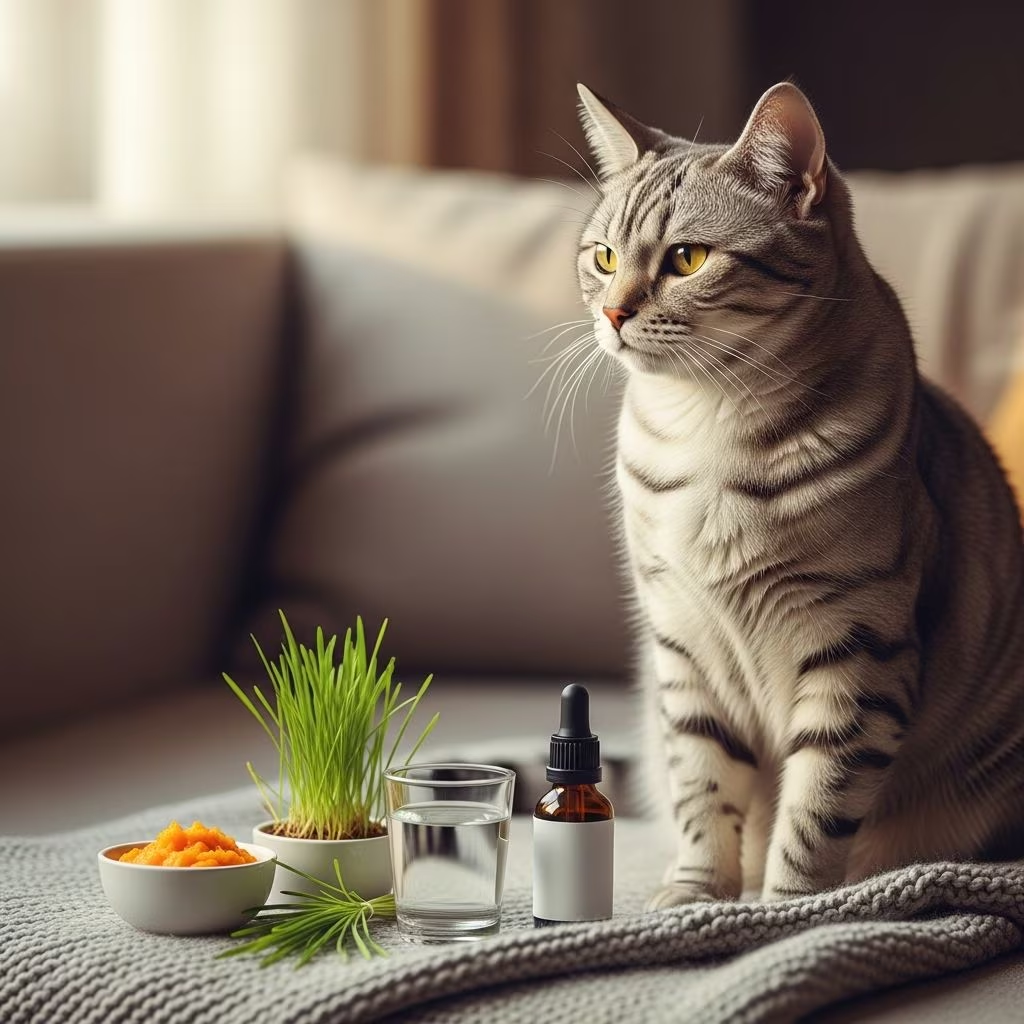
Constipation in cats occurs when they struggle to pass firm, dry stools, often leading to discomfort and straining. This common issue affects cats of all ages but is more prevalent in seniors due to factors like dehydration or chronic conditions. Early intervention with targeted remedies can restore normal bowel function and prevent escalation to severe forms like obstipation or megacolon.
Recognizing the Signs of Constipation in Your Cat
Identifying constipation promptly is crucial for effective treatment. Cats with this condition typically produce infrequent, hard stools that may appear pebble-like or in small amounts outside the litter box. Watch for straining during defecation attempts, vocalizing in pain, or spending excessive time in the litter box without results.
- Hard, dry feces that are difficult to pass
- Infrequent bowel movements (less than every 1-2 days)
- Lethargy or reduced appetite due to abdominal discomfort
- Vomiting from backed-up waste buildup
- A distended abdomen from retained stool
Other indicators include dragging the rear on floors or scooting, signaling anal discomfort, and blood in stools from fissures caused by hard passage. If symptoms persist beyond 48 hours, veterinary evaluation is essential to rule out obstructions.
Primary Causes Behind Feline Constipation
Several factors contribute to constipation, often overlapping in cats. Dehydration tops the list, as cats on dry kibble diets absorb insufficient moisture, hardening stools in the colon. Low-fiber intake exacerbates this by failing to bulk up waste for easier elimination.
Medical issues play a significant role too. Conditions like kidney disease pull water from the body, concentrating stool. Arthritis or spinal pain hinders proper posturing for defecation, while obesity limits mobility. Neurological disorders or megacolon—where the colon dilates and loses motility—cause chronic retention.
| Cause Category | Examples | Risk Factors |
|---|---|---|
| Dietary | Dry food dominance, low fiber | Indoor cats, seniors |
| Medical | Kidney disease, hyperthyroidism, megacolon | Chronic illnesses |
| Behavioral | Stress, inactivity | Obese or anxious cats |
| Physical | Obstructions (hairballs, foreign objects), anal sac issues | Long-haired breeds, injuries |
Grooming-related hair ingestion clogs the tract, especially in longhairs, and pelvic fractures narrow passages. Chronic diseases such as diabetes or cancer further impair motility.
Effective Home Remedies for Mild Constipation
For occasional bouts, lifestyle tweaks often suffice before vet visits. Boosting hydration is foundational—add wet food or water fountains to encourage drinking, as cats prefer running water. Mixing broth into meals increases moisture intake without force-feeding.
Incorporate fiber gradually. Plain canned pumpkin (not pie filling), at 1 teaspoon daily, acts as a gentle laxative by drawing water into the colon. Psyllium husk or ginger root powder offers similar benefits in small doses.
- Pumpkin: 1 tsp mixed into food 1-2x/day for bulk and softness
- Wet food transition: Switch 50% dry to canned for hydration
- Probiotics: Cat-specific formulas restore gut flora
Exercise stimulates peristalsis—interactive toys or laser pointers promote movement, aiding weight management in obese cats. Stress reduction via pheromone diffusers calms nerves that tense the gut. Clean litter boxes multiple times daily to prevent avoidance.
Advanced Veterinary Treatments for Persistent Cases
Severe or recurrent constipation demands professional care. Vets start with diagnostics: physical exams, X-rays for impactions, and bloodwork for underlying diseases. Hydration therapy via fluids corrects dehydration rapidly.
Enemas or manual disimpaction under sedation clear blockages safely—never attempt at home due to rupture risks. Laxatives like lactulose soften stools, while motility drugs like cisapride enhance contractions. For megacolon, surgery may remove part of the colon.
Dietary trials with novel proteins (e.g., rabbit or venison) address allergies or IBD. Weight loss plans and pain management for arthritis improve outcomes.
Preventing Recurrence: Long-Term Strategies
Proactive measures minimize future episodes. Maintain ideal body weight through portion control and play—obesity doubles risk. Balance diets with 5-10% wet food and fiber supplements.
Regular grooming reduces hairballs; omega-3 supplements lubricate the tract. Annual checkups screen for kidney or thyroid issues early. Monitor stool quality weekly, noting changes promptly.
- Daily water intake tracking
- Weekly fiber boosts
- Bi-weekly weigh-ins
- Monthly vet fecal exams for seniors
When to Seek Immediate Veterinary Help
Urgent signs include no stools for 3+ days, vomiting, extreme lethargy, or bloody discharge. These signal obstipation or toxicity from waste buildup. Cats hiding or aggressive indicate severe pain.
Post-treatment monitoring is key; recurrence within weeks suggests megacolon or cancer. Early action prevents complications like colonic tears.
FAQs on Cat Constipation Remedies
Can pumpkin really help my constipated cat?
Yes, plain canned pumpkin provides soluble fiber that softens stools safely in small amounts (1 tsp/day).
How much water should my cat drink daily?
Aim for 3-4 ounces per 5 pounds of body weight; fountains and wet food help.
Is constipation dangerous for cats?
Mild cases resolve easily, but untreated leads to megacolon or rupture.
Are over-the-counter laxatives safe?
Consult a vet first; they can worsen dehydration in kidney cases.
What if home remedies fail?
See a vet for enemas, meds, or diagnostics within 48 hours.
Nutritional Comparison for Constipation-Prone Cats
| Food Type | Fiber Content | Hydration Level | Best For |
|---|---|---|---|
| Dry Kibble | Medium | Low | Active cats with monitoring |
| Wet Canned | Low-Medium | High | Dehydrated or senior cats |
| Fiber Supplements | High | N/A | All with low-fiber diets |
(Word count: 1678)
References
- Constipation in Cats: Causes, Symptoms & Treatment — AnimERge Vets. 2021-01-15. https://www.animergevets.com/site/blog/2021/01/15/constipation-dogs-causes-symptoms-treatment
- Feline Constipation: Causes, Symptoms, and Solutions — Stack Vet Hospital. N/A. https://stackvethospital.com/feline-constipation-causes-symptoms-and-solutions/
- Constipation in Cats: Causes, Symptoms & Treatment — TK Veterinary Emergency Services. 2022-01-30. https://www.tkves.com/site/blog/2022/01/30/constipation-cats-causes-symptoms-treatment
- Cat Constipation: Causes, Symptoms & Treatment — VEG ER for Pets. N/A. https://www.veg.com/post/6-ways-to-help-your-constipated-cat
- Cat Constipation: Symptoms, Causes & Treatment — Purina. N/A. https://www.purina.com/articles/cat/health/symptoms/constipation
- Merck Veterinary Manual: Constipation, Obstipation, and Megacolon — Merck & Co. N/A. https://www.merckvetmanual.com/digestive-system/diseases-of-the-large-intestine-in-small-animals/constipation-obstipation-and-megacolon-in-small-animals



