

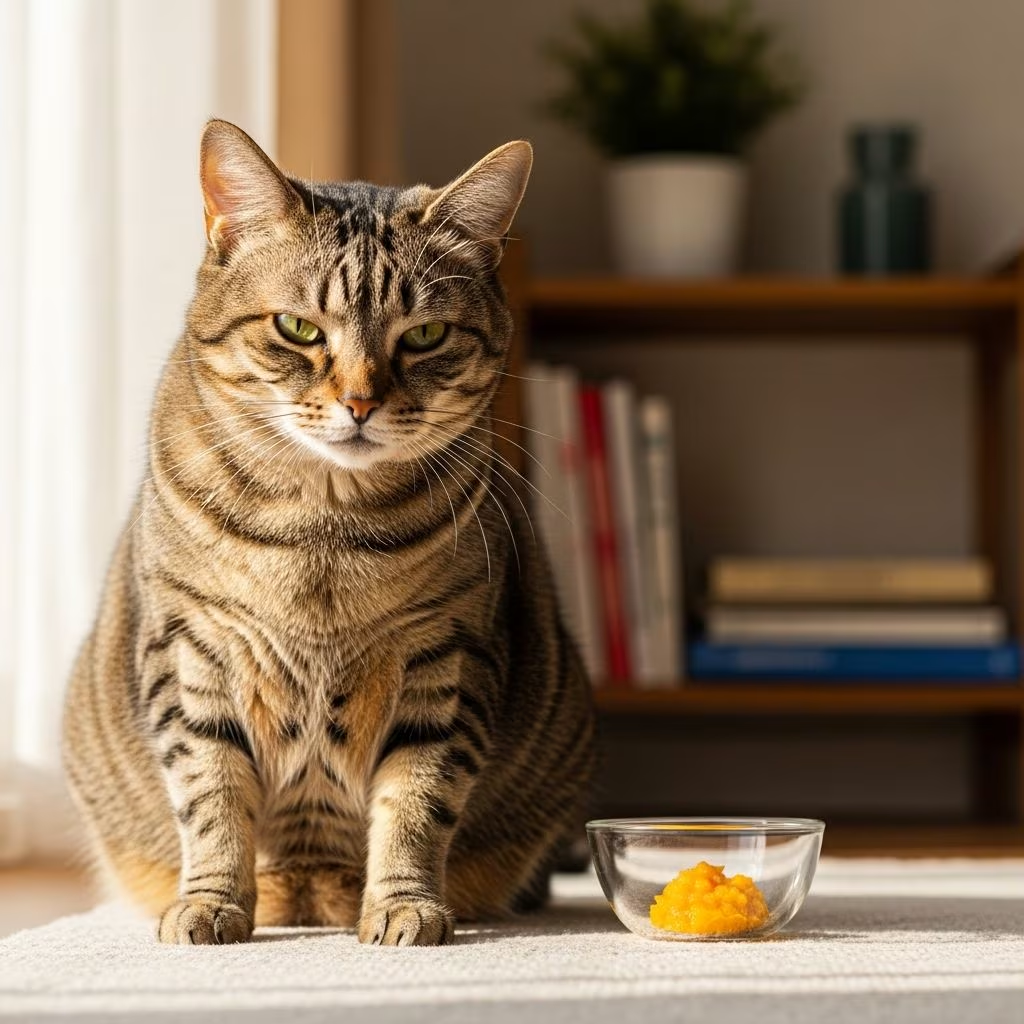
Constipation affects many cats, leading to discomfort from hard, dry stools that are difficult to pass. Home remedies can provide relief by addressing common triggers like dehydration and poor diet, but always consult a vet for persistent cases.
Understanding Feline Constipation
Constipation in cats occurs when stool remains in the colon too long, becoming hard and dry due to excessive water absorption. Unlike humans, cats have shorter digestive tracts, making them prone to issues from low moisture intake or hair ingestion.
This condition differs from diarrhea; affected cats strain in the litter box without producing stool or pass small, pebble-like feces. Elderly cats and those on dry food diets face higher risks.
Common Causes of Constipation in Cats
Several factors contribute to feline constipation. Dehydration tops the list, as cats drinking insufficient water—especially on dry kibble—develop compacted stools.
- Dietary shortcomings: Low-fiber foods fail to bulk stool properly.
- Obesity and inactivity: Excess weight slows gut motility.
- Medical conditions: Kidney disease pulls water from the body, hardening feces; hyperthyroidism or diabetes disrupt digestion.
- Hairballs and obstructions: Excessive grooming leads to ingested fur blocking the colon.
- Pain-related issues: Arthritis, spinal problems, or anal sac impactions cause defecation avoidance.
- Neurological or structural problems: Feline megacolon enlarges the colon, impairing muscle function.
Stress and anxiety also play roles, altering bowel habits in sensitive cats.
Recognizing Symptoms Early
Early detection prevents escalation to obstipation or megacolon. Watch for these signs:
- Straining or crying in the litter box without results.
- Hard, dry, or small stool pellets.
- Litter box avoidance or accidents outside it.
- Decreased appetite, vomiting, or lethargy.
- Abdominal bloating or tenderness.
If symptoms last over 48 hours or include blood in stool, seek veterinary care immediately.
Safe Home Remedies for Relief
Many cases resolve with simple adjustments. Start with hydration and diet, monitoring progress closely.
Boost Hydration Levels
Cats often ignore water bowls. Encourage intake by:
- Providing fresh, flowing water via fountains.
- Adding low-sodium broth or tuna water to meals.
- Switching to wet food for 70-80% moisture content.
In mild cases, subcutaneous fluids under vet guidance hydrate effectively.
Dietary Adjustments for Better Digestion
Increase fiber gradually to avoid digestive upset. Effective options include:
| Remedy | How to Use | Benefits |
|---|---|---|
| Canned pumpkin (plain) | 1 tsp daily, mixed in food | Softens stool, adds soluble fiber |
| Psyllium husk | 1/4 tsp in wet food | Bulks stool for easier passage |
| High-fiber cat food | Transition over 7 days | Promotes regularity long-term |
Avoid sudden changes; novel proteins like lamb or chicken may reduce inflammation.
Encourage Physical Activity
Exercise stimulates intestinal movement. Interactive toys, laser pointers, or climbing trees help overweight cats slim down and move bowels.
Aim for 15-20 minutes of play daily, split into sessions.
Reduce Stress in Your Cat’s Environment
Anxiety tenses muscles, worsening constipation. Create calm with:
- Pheromone diffusers.
- Quiet hiding spots.
- Consistent routines.
Probiotics and Supplements
Gut-friendly bacteria support digestion. Vet-recommended probiotics restore flora balance, aiding stool softening.
Consult before using over-the-counter laxatives, as they may harm cats with kidney issues.
Advanced Home Strategies
For recurring issues, combine remedies. Track bowel movements in a journal noting diet, water intake, and activity to identify patterns.
Gently massage the abdomen clockwise during play to stimulate motility, but stop if painful.
Multiple litter boxes in low-stress areas encourage use.
When to See a Veterinarian
Home remedies suit mild cases, but professional help is essential for:
- Constipation over 3 days.
- Complete blockages or obstipation.
- Associated vomiting, weakness, or blood.
- Recurrent episodes signaling megacolon or tumors.
Vets may use enemas, laxatives, or imaging. Chronic cases require diet trials or surgery.
Preventing Future Episodes
Proactive steps maintain gut health:
- Balanced nutrition: Mix wet and high-fiber dry foods.
- Regular grooming: Brush to reduce hairballs.
- Weight management: Monitor body condition score.
- Annual checkups: Catch diseases early.
FAQs on Cat Constipation
How long can a cat go without pooping?
Normally 1-2 days; beyond 48 hours warrants concern.
Is canned pumpkin safe for cats?
Yes, plain varieties provide fiber without sugar.
Can dry food cause constipation?
It contributes if water intake is low.
What if home remedies fail?
Visit a vet to rule out obstructions or megacolon.
Are laxatives okay at home?
Only vet-approved; others risk dehydration.
Implementing these strategies can restore comfort quickly. Monitor your cat and prioritize veterinary advice for tailored care.
References
- Constipation in Cats: Causes, Symptoms & Treatment — AnimERge Vets. 2021-01-15. https://www.animergevets.com/site/blog/2021/01/15/constipation-dogs-causes-symptoms-treatment
- Feline Constipation: Causes, Symptoms, and Solutions — Stack Vet Hospital. N/A. https://stackvethospital.com/feline-constipation-causes-symptoms-and-solutions/
- Constipation in Cats: Causes, Symptoms & Treatment — TK Veterinary Emergency Services. 2022-01-30. https://www.tkves.com/site/blog/2022/01/30/constipation-cats-causes-symptoms-treatment
- Cat Constipation: Causes, Symptoms & Treatment — VEG. N/A. https://www.veg.com/post/6-ways-to-help-your-constipated-cat
- Cat Constipation Symptoms and Causes — PetMD. N/A. https://www.petmd.com/cat/conditions/digestive/cat-constipation-symptoms-causes



