

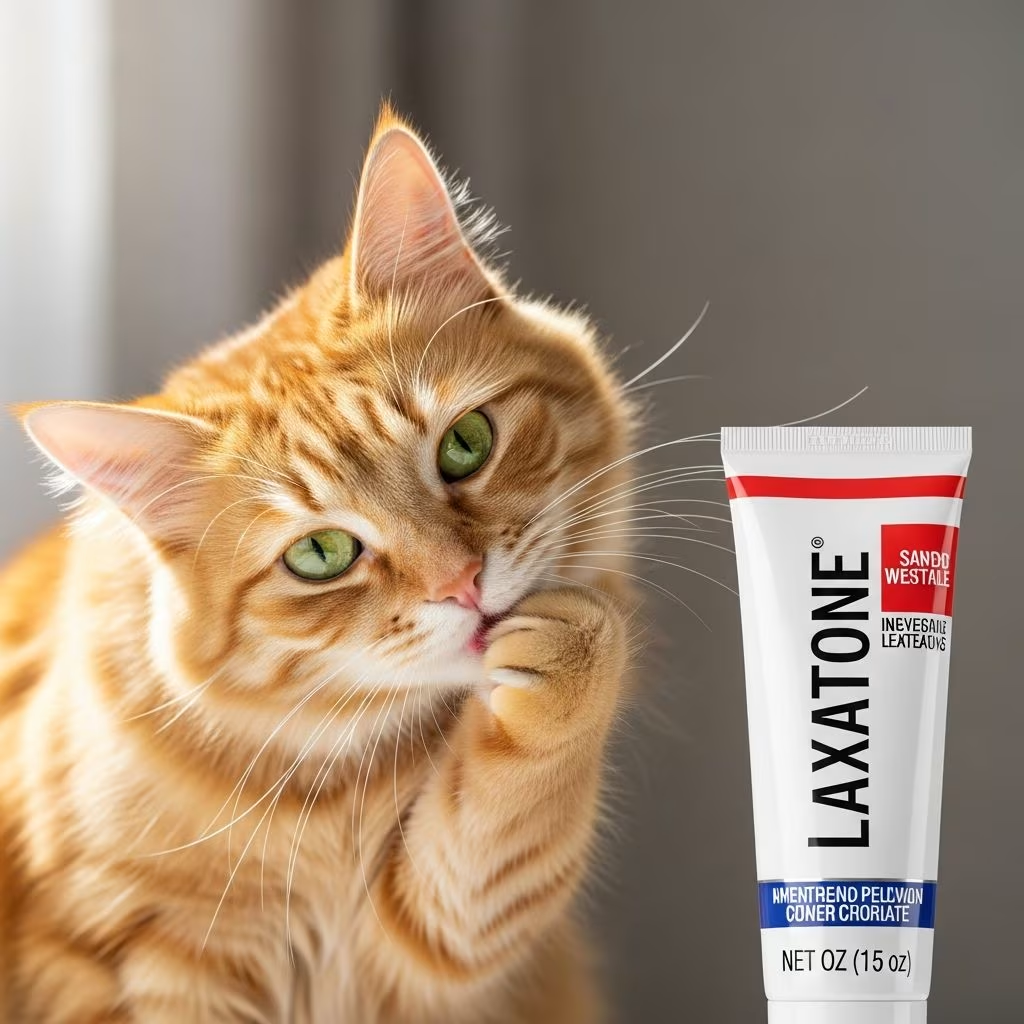
Constipation in cats manifests as infrequent, hard, or painful bowel movements, often due to dehydration, poor diet, or underlying health issues. Products like Laxatone offer a palatable lubricant to facilitate stool passage, providing quick relief when used appropriately under veterinary guidance.
Understanding Feline Digestive Challenges
Cats’ digestive systems are delicate, evolved for a low-moisture, high-protein diet. Modern dry kibble can exacerbate dryness in stools, leading to buildup in the colon. Regular elimination is crucial; healthy cats defecate every 1-2 days. Disruptions signal potential problems requiring prompt attention.
Common Triggers Behind Cat Constipation
Several factors contribute to this condition. Dehydration tops the list, as cats drink minimally and dry food diets compound the issue by pulling moisture from the intestines. Medical conditions like chronic kidney disease (CKD) worsen dehydration, making stool passage difficult.
- Obesity and Sedentary Habits: Extra weight and lack of activity slow gut motility, common in indoor cats.
- Dietary Imbalances: Insufficient fiber or excessive hair ingestion from grooming hardens feces.
- Pain-Related Issues: Arthritis or pelvic injuries hinder proper posturing for defecation.
- Neurological or Structural Problems: Conditions like megacolon or narrowed pelvic canals obstruct flow.
Hypercalcemia or hypothyroidism, though rarer, impair muscle contractions in the gut. Identifying the root cause through vet evaluation prevents recurrence.
Spotting the Warning Signs Early
Observe your cat closely for these indicators:
| Symptom | Description |
|---|---|
| Straining | Prolonged efforts in the litter box with little output |
| Hard, Dry Stools | Small, pebble-like feces or none at all |
| Lethargy | Reduced activity, hiding, or disinterest in play |
| Appetite Loss | Skipping meals due to nausea from waste buildup |
| Vomiting or Bloating | Abdominal distension or regurgitation from pressure |
These signs escalate to obstipation (severe blockage) or megacolon if ignored, demanding urgent intervention.
Immediate Home Remedies for Mild Cases
Before reaching for products like Laxatone, try these vet-approved steps.
Boost Hydration Levels
Encourage water intake with fountains, multiple bowls, or wet food transitions. Flavor water with tuna juice sparingly. Dehydration relief softens stool naturally.
Incorporate Fiber Gradually
Add 1 tsp of plain canned pumpkin daily; its soluble fiber draws water into the colon. Psyllium husk works similarly but consult a vet for dosing.
Promote Physical Activity
Interactive toys, laser pointers, or vertical spaces stimulate gut movement. Aim for 15-20 minutes daily to combat obesity.
Reduce Stress Factors
Litter box cleanliness, additional boxes, and pheromone diffusers ease anxiety-induced avoidance.
The Role of Laxatone in Feline Relief
Laxatone, a malt-flavored gel laxative, coats stools with petrolatum and lubricants, easing passage without stimulating contractions harshly. Administer 1-3 inches via syringe or finger directly into the mouth daily for short-term use. Its fishy taste appeals to picky eaters, making compliance easy.
Ideal for hairball-related constipation or mild dehydration cases. Combine with diet tweaks for best results, but limit to 1-2 weeks without vet oversight to avoid dependency.
How Laxatone Compares to Other Aids
| Option | Pros | Cons |
|---|---|---|
| Laxatone | Palatable, fast-acting lubricant | Not for long-term; monitor dehydration |
| Pumpkin | Natural fiber source | Slow-acting; dosing precision needed |
| Probiotics | Supports gut flora | Variable efficacy |
| Prescription Laxatives (e.g., PEG 3350) | Highly effective for chronic cases | Vet-only; potential side effects |
Advanced Treatments for Persistent Issues
When home efforts fail, professional care is essential. Vets may prescribe stool softeners like dioctyl sodium sulfosuccinate (DSS) or motility drugs. Severe impactions require enemas or manual extraction under sedation—never attempt at home.
For megacolon, subtotal colectomy surgery removes the dilated colon section, boasting high success rates. Address underlying CKD or hyperthyroidism concurrently.
Preventive Strategies for Long-Term Gut Health
Proactive measures keep constipation at bay:
- Mix wet and dry foods for moisture balance.
- Regular grooming reduces ingested hair.
- Weight management through portion control and play.
- Annual vet checkups screen for early diseases.
- High-fiber prescription diets if prone.
Monitor litter habits weekly; deviations warrant a call.
When to Rush to the Vet
Seek emergency care if no bowel movement exceeds 48-72 hours, accompanied by vomiting, extreme lethargy, or bloody stool. Rapid progression to life-threatening toxemia possible.
Frequently Asked Questions (FAQs)
Is Laxatone safe for kittens?
Use sparingly under vet guidance; dosages differ by age and weight.
Can dry food alone cause constipation?
Yes, due to low moisture; supplement with wet food.
How long before Laxatone works?
Effects often seen within 24-48 hours.
What if my cat has blood in stool?
Immediate vet visit; could indicate obstruction or megacolon.
Are probiotics effective?
They aid flora balance but pair with other remedies.
Nutritional Guidelines for Digestive Wellness
Opt for foods with 3-5% fiber, omega-3s for anti-inflammation. Transition slowly over 7-10 days to avoid upset. Sample daily plan for a 10-lb cat:
- 1/2 can wet food (morning/evening).
- 1/4 cup high-fiber kibble.
- 1 tsp pumpkin supplement.
Track weight and stool quality monthly.
References
- Feline Constipation: Causes, Symptoms, and Solutions — Stack Vet Hospital. 2023. https://stackvethospital.com/feline-constipation-causes-symptoms-and-solutions/
- Cat Constipation: Causes, Symptoms & Treatment — VEG ER for Pets. 2024. https://www.veg.com/post/6-ways-to-help-your-constipated-cat
- Cat Constipation: Symptoms, Causes & Treatment — Purina. 2024. https://www.purina.com/articles/cat/health/symptoms/constipation
- How To Help Your Constipated Cat — Pets Doctors of America. 2022-01-30. https://www.petdoctorsofamerica.com/site/blog/2022/01/30/how-constipated-cat
- Constipation in Cats — Island Pet Hospital. 2022-02-08. https://www.islandpethospital.com/site/blog/2022/02/08/constipation-in-cats
- Cat Constipation Symptoms and Causes — PetMD. 2024. https://www.petmd.com/cat/conditions/digestive/cat-constipation-symptoms-causes
- My Cat Won’t Poop: Causes and Treatments — Companion Oak Park. 2024. https://companionop.com/blog/my-cat-wont-poop-causes-and-treatments-for-cat-constipation/
- Constipation in Cats — VCA Animal Hospitals. 2024. https://vcahospitals.com/know-your-pet/constipation-in-cats
- Constipation, Obstipation, and Megacolon in Small Animals — Merck Veterinary Manual. 2024. https://www.merckvetmanual.com/digestive-system/diseases-of-the-large-intestine-in-small-animals/constipation-obstipation-and-megacolon-in-small-animals



