

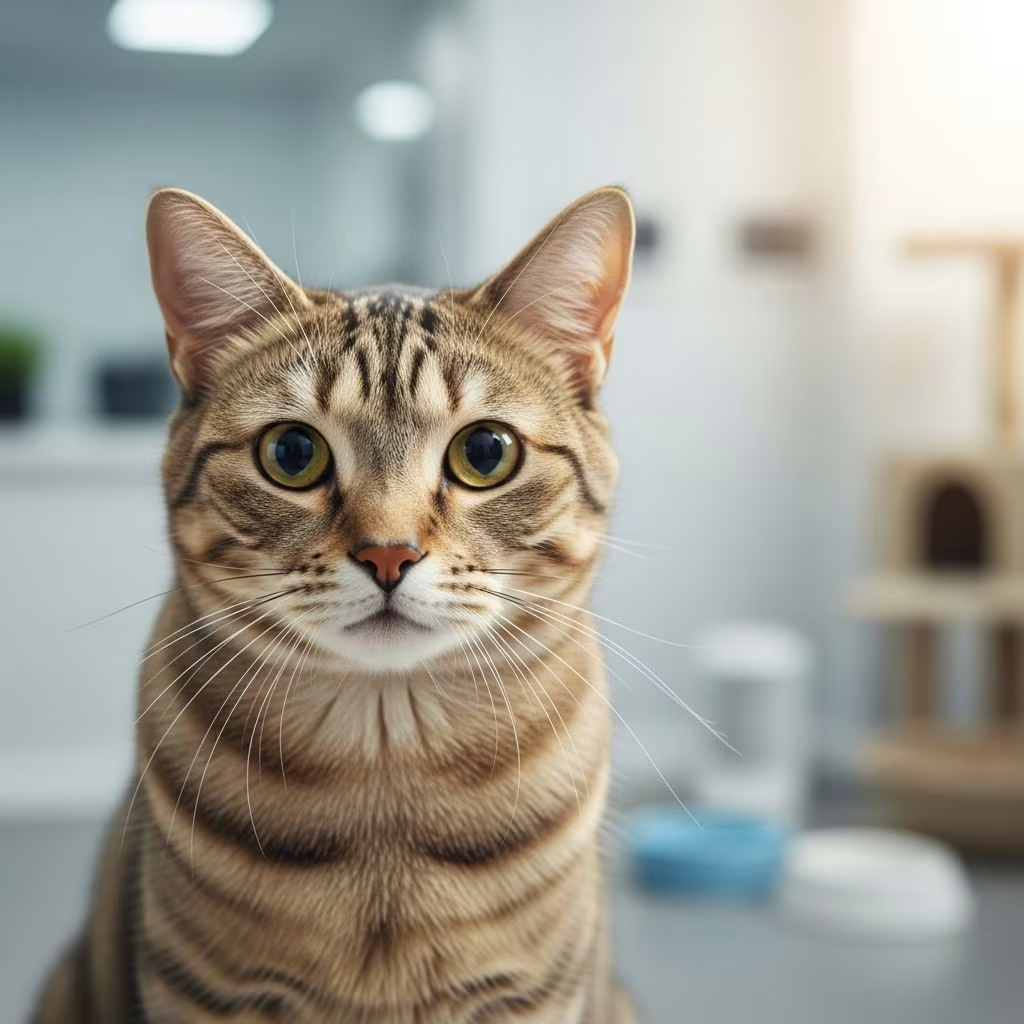
Constipation affects cats of all ages, leading to discomfort and potential health complications if ignored. This guide explores the underlying reasons, recognition tips, treatment approaches, and proactive measures to maintain smooth digestion in your feline companion.
Recognizing the Signs of Constipation in Cats
Early detection is crucial for timely intervention. Cats often hide discomfort, but specific behaviors signal digestive trouble.
- Infrequent or absent bowel movements: Fewer than three per week indicates a problem, especially if your cat strains without success.
- Hard, dry stools: Small, pebble-like feces that are difficult to pass, sometimes left outside the litter box.
- Straining and discomfort: Vocalizing, crouching longer than usual, or apparent pain during attempts to defecate.
- Lethargy and appetite loss: Reduced energy, vomiting, or refusal to eat as toxins build up from retained waste.
- Abdominal bloating: A distended belly from fecal buildup, often accompanied by restlessness.
Monitor litter box habits closely; changes from normal patterns warrant attention. Senior cats and those with chronic conditions face higher risks.
Primary Causes Behind Feline Constipation
Multiple factors contribute to slowed intestinal motility and hardened stools in cats. Understanding these helps target solutions effectively.
Dietary and Hydration Deficiencies
Cats on exclusive dry kibble diets often suffer from low moisture intake, causing the colon to extract excessive water from feces, resulting in compaction. Insufficient dietary fiber exacerbates this, as fiber adds bulk and promotes movement.
Environmental and Behavioral Factors
Stress from new environments, loud noises, or household changes disrupts gut function. Inactivity, common in indoor cats, leads to sluggish bowels, while obesity adds pressure on the digestive tract. Excessive grooming ingests hair, forming blockages like trichobezoars.
Medical and Structural Issues
| Category | Examples | Impact |
|---|---|---|
| Chronic Diseases | Kidney disease, hyperthyroidism, diabetes | Dehydration and reduced motility |
| Musculoskeletal Pain | Arthritis, spinal issues | Pain discourages defecation posture |
| Gastrointestinal Disorders | Megacolon, IBD, tumors, obstructions | Blockages or weakened colon muscles |
| Other | Anal sac issues, allergies, hypercalcemia | Pain or motility interference |
Older cats are particularly susceptible due to cumulative effects of age-related conditions.
Safe Home Remedies for Mild Cases
For occasional constipation without severe symptoms, try these vet-approved strategies before seeking professional help.
- Boost hydration: Switch to wet food or add water fountains; cats drink more from running sources.
- Incorporate fiber: Add 1 tsp plain canned pumpkin daily; its soluble fiber softens stools without laxative effects.
- Encourage activity: Interactive toys and climbing structures stimulate intestinal peristalsis.
- Probiotics:
Supplements with beneficial bacteria support gut flora balance.
Always introduce changes gradually to avoid digestive upset. Avoid human laxatives unless vet-directed, as they can cause dehydration or toxicity.
Veterinary Interventions for Persistent or Severe Constipation
When home efforts fail or symptoms intensify, professional care is essential to rule out obstructions or megacolon.
- Diagnostics: Physical exams, X-rays, bloodwork to identify underlying issues.
- Medications: Stool softeners like lactulose, motility enhancers, or prescription laxatives.
- Fluid therapy: Subcutaneous or IV fluids to rehydrate and soften impacted material.
- Manual relief: Enemas or fecal removal under sedation for obstipation; never attempt at home.
- Surgery: For megacolon or tumors, subtotal colectomy may restore function.
Prompt treatment prevents complications like toxemia or colonic rupture.
Prevention Strategies for Long-Term Digestive Wellness
Proactive habits reduce recurrence rates significantly.
- Maintain ideal weight through portion control and play.
- Offer a balanced diet with adequate fiber and moisture; consider prescription gastrointestinal formulas.
- Provide multiple clean litter boxes in quiet areas to minimize stress-related avoidance.
- Regular grooming and hairball remedies for long-haired breeds.
- Annual vet checkups for early detection of predisposing conditions.
Track bowel habits in a journal to spot patterns early.
Special Considerations for At-Risk Cats
Senior Cats: Age-related dehydration and mobility issues demand routine hydration checks and joint support.
Kittens and Persians: Though less common, monitor for congenital narrowing or low activity.
Chronic Illness Cats: Tailor management to primary disease, e.g., renal diets for kidney patients.
Frequently Asked Questions (FAQs)
How long can a cat go without pooping?
Normally 1-2 days; beyond 48-72 hours with straining requires vet attention to prevent obstipation.
Is canned pumpkin safe for cats?
Yes, plain varieties (1 tsp/day) aid fiber intake; avoid pie filling with sugars.
When is constipation an emergency?
If accompanied by vomiting, no stool in 3+ days, bloody feces, or extreme lethargy, seek immediate care.
Can stress cause cat constipation?
Absolutely; anxiety slows gut motility—use pheromone diffusers for relief.
Does wet food prevent constipation?
Its high moisture content reduces dehydration risk, making it ideal for prone cats.
References
- Feline Constipation: Causes, Symptoms, and Solutions — Stack Vet Hospital. 2023. https://stackvethospital.com/feline-constipation-causes-symptoms-and-solutions/
- Constipation in Cats: Causes, Symptoms & Treatment — TK Veterinary Emergency Services. 2022-01-30. https://www.tkves.com/site/blog/2022/01/30/constipation-cats-causes-symptoms-treatment
- Constipation in Cats: Causes, Symptoms & Treatment — AnimERge. 2021-01-15. https://www.animergevets.com/site/blog/2021/01/15/constipation-dogs-causes-symptoms-treatment
- Constipation in Cats: Symptoms, Causes & Treatment — New Hope Animal Hospital. 2024-07-15. https://www.newhopeanimalhospital.com/site/blog/2024/07/15/constipation-cats
- Cat Constipation: Causes, Symptoms & Treatment — VEG ER for Pets. N/A. https://www.veg.com/post/6-ways-to-help-your-constipated-cat
- How To Help Your Constipated Cat — Pets Doctors of America. 2022-01-30. https://www.petdoctorsofamerica.com/site/blog/2022/01/30/how-constipated-cat
- Cat Constipation Symptoms and Causes — PetMD. N/A. https://www.petmd.com/cat/conditions/digestive/cat-constipation-symptoms-causes
- Constipation, Obstipation, and Megacolon in Small Animals — Merck Veterinary Manual. N/A. https://www.merckvetmanual.com/digestive-system/diseases-of-the-large-intestine-in-small-animals/constipation-obstipation-and-megacolon-in-small-animals



