
Cat Constipation Guide
Comprehensive guide to understanding, preventing, and treating constipation in cats for happier, healthier pets.
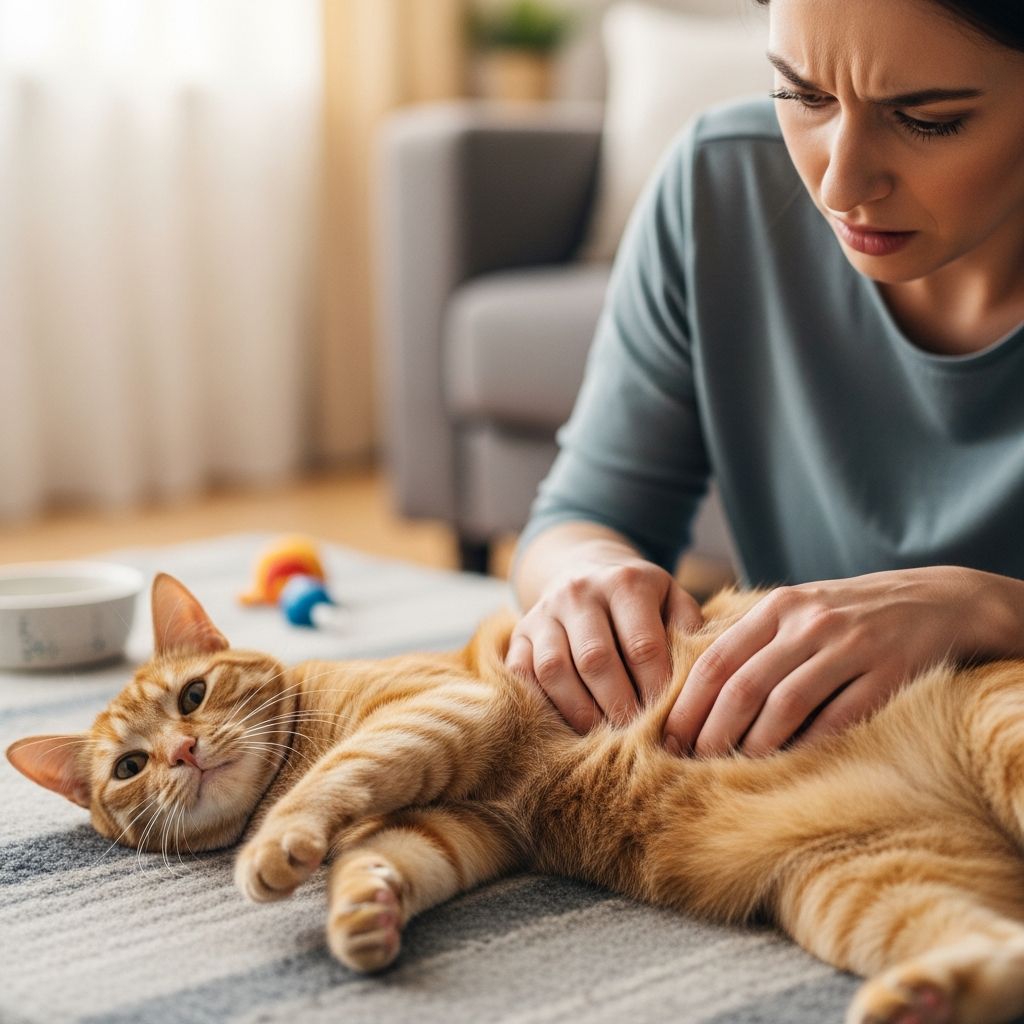
Constipation affects many cats, leading to discomfort and potential health complications if ignored. This guide covers everything pet owners need to know about identifying, managing, and preventing this common issue in felines.
Understanding Feline Digestive Health
Cats have sensitive digestive systems that rely on proper hydration, diet, and activity for smooth operation. When stool becomes hard and difficult to pass, it signals a blockage in normal bowel function. Unlike dogs, cats are prone to this due to their low water intake and grooming habits that ingest hair.
Maintaining regular bowel movements—ideally every 1-2 days—is key to your cat’s well-being. Disruptions can stem from lifestyle factors or serious medical conditions, requiring prompt attention.
Common Triggers Behind Constipation
Several factors contribute to cats struggling with bowel movements. Identifying the root cause is essential for effective resolution.
- Dehydration: Cats often drink little water, especially on dry food diets, causing the colon to absorb excess moisture from stool, making it dry and compact.
- Dietary Imbalances: Low-fiber foods fail to promote healthy digestion. Exclusive wet or dry diets without balance exacerbate risks.
- Obesity and Inactivity: Overweight cats face posture difficulties during elimination, while sedentary lifestyles slow gut motility.
- Excessive Grooming: Ingested hair forms blockages, particularly in long-haired breeds.
- Pain-Related Issues: Arthritis, spinal problems, or anal sac issues make straining painful, leading to avoidance.
- Medical Conditions: Kidney disease, hyperthyroidism, megacolon, tumors, or nerve disorders impair colon function.
| Cause Category | Examples | Risk Factors |
|---|---|---|
| Lifestyle | Dehydration, low exercise | Dry food only, indoor cats |
| Diet | Low fiber, hair ingestion | Long-haired breeds, poor nutrition |
| Medical | Megacolon, kidney issues | Older cats, chronic diseases |
Recognizing the Warning Signs
Early detection prevents escalation. Watch for these indicators that your cat may be constipated.
- Straining or crying in the litter box without producing stool.
- Hard, dry, pebble-like feces or decreased frequency.
- Lethargy, reduced appetite, or vomiting.
- Abdominal bloating or discomfort when touched.
- Avoiding the litter box or unusual postures.
If symptoms persist beyond 24-48 hours, or include blood in stool or severe distress, seek veterinary care immediately, as it could indicate obstruction or megacolon.
Immediate Steps for Relief at Home
While awaiting vet advice, try these safe interventions to ease mild cases.
- Boost Hydration: Offer fresh water via fountains, add ice cubes, or switch to wet food. Supplements like Hydracare can encourage drinking.
- Add Fiber: Mix in 1 tsp of plain canned pumpkin daily. It acts as a natural softener.
- Encourage Movement: Interactive toys or laser pointers promote gut activity and weight management.
- Litter Box Optimization: Provide multiple clean boxes in quiet spots to reduce stress.
- Probiotics: Gut-friendly supplements support flora balance.
Caution: Avoid human laxatives or manual interventions at home, as they risk injury or worsening conditions.
Professional Diagnosis and Treatment Options
Vets use exams, X-rays, or bloodwork to pinpoint causes. Treatments vary by severity.
- Mild Cases: Diet changes, stool softeners like lactulose, or motility drugs such as cisapride.
- Severe Impaction: Enemas, manual removal under sedation, or IV fluids for dehydration.
- Chronic Issues: Surgery for megacolon or tumor removal; ongoing meds for conditions like hyperthyroidism.
For megacolon, where the colon dilates and loses function, hospitalization with laxative infusions may be needed.
Long-Term Prevention Strategies
Prevent recurrence through proactive habits.
- Balanced diet with adequate fiber and moisture—consult for prescription options.
- Regular weight checks and exercise routines.
- Stress reduction via pheromone diffusers or routine stability.
- Frequent grooming for long-haired cats to minimize hairballs.
- Annual vet checkups to catch early diseases like kidney issues.
When to Escalate to Emergency Care
Not all constipation resolves simply. Red flags include:
- No stool in 3+ days with straining.
- Vomiting, extreme lethargy, or collapse.
- Bloody stool or swollen abdomen.
These suggest life-threatening blockages; rush to an emergency vet.
FAQs on Cat Constipation
How long can a cat go without pooping?
Up to 48 hours is common, but beyond that requires vet evaluation.
Is canned pumpkin safe for cats?
Yes, plain varieties (1 tsp/day) aid digestion without sugar.
Can dry food cause constipation?
It contributes if not balanced with water; wet food helps prevent it.
What breeds are prone?
Long-haired ones due to grooming; all ages, but seniors more so.
Is olive oil a remedy?
Not recommended; it can cause diarrhea or pancreatitis. Stick to vet-approved options.
Nutrition Table for Digestive Health
| Food Type | Benefits | Tips |
|---|---|---|
| Wet Food | High moisture | Mix with dry for balance |
| High-Fiber | Promotes motility | Pumpkin additive |
| Probiotic | Gut balance | Vet-recommended brands |
Empowering cat owners with knowledge leads to better outcomes. Monitor habits closely and partner with your vet for tailored care.
References
- Constipation in Dogs: Causes, Symptoms & Treatment — AnimERge Vets. 2021-01-15. https://www.animergevets.com/site/blog/2021/01/15/constipation-dogs-causes-symptoms-treatment
- Feline Constipation: Causes, Symptoms, and Solutions — Stack Vet Hospital. N/A. https://stackvethospital.com/feline-constipation-causes-symptoms-and-solutions/
- Cat Constipation: Symptoms, Causes & Treatment — Purina. N/A. https://www.purina.com/articles/cat/health/symptoms/constipation
- Constipation in Cats: Symptoms, Causes & Treatment — New Hope Animal Hospital. 2024-07-15. https://www.newhopeanimalhospital.com/site/blog/2024/07/15/constipation-cats
- Cat Constipation: Causes, Symptoms and Treatment — Warrick Vet. N/A. https://warrickvet.com/blog/cat-constipation-causes-symptoms-and-treatment-in-warrick-county-in/
- Cat Constipation Symptoms and Causes — PetMD. N/A. https://www.petmd.com/cat/conditions/digestive/cat-constipation-symptoms-causes
- 6 Ways to Help Your Constipated Cat — VEG ER for Pets. N/A. https://www.veg.com/post/6-ways-to-help-your-constipated-cat
Similar Articles








Read full bio of Sneha Tete




