

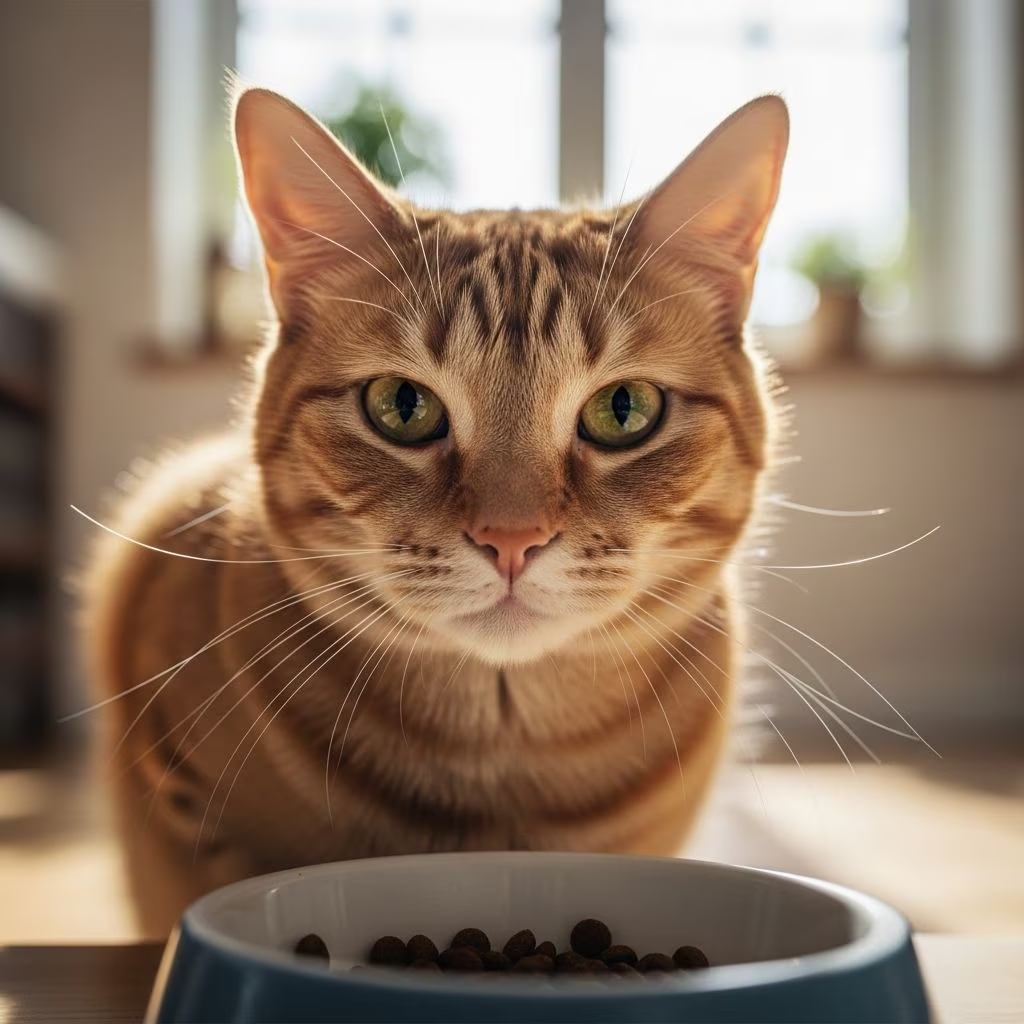
Your cat’s persistent meowing at the food bowl can signal more than just a picky eater. Excessive hunger, known medically as polyphagia, often stems from underlying health issues, dietary shortcomings, or behavioral patterns that demand attention to prevent obesity or serious illness.
Recognizing Signs of Excessive Hunger in Cats
Observe your cat closely for these indicators of heightened appetite: rapid consumption of meals, repeated requests for seconds, foraging through trash or counters, and vocal demands between feedings. Accompanying signs might include weight fluctuations—either gain from overeating or loss despite increased intake—along with shifts in thirst, urination, energy levels, or coat quality.
- Eating faster than usual, sometimes leading to regurgitation.
- Begging persistently, even shortly after meals.
- Scavenging household items for extra calories.
- Changes in body weight, muscle tone, or behavior like restlessness.
These behaviors warrant monitoring, as they could escalate to vomiting, diarrhea, or lethargy if ignored.
Medical Conditions Driving Insatiable Appetite
Several diseases accelerate a cat’s metabolism or impair nutrient absorption, triggering constant hunger. Prompt veterinary evaluation is crucial, especially in senior cats prone to endocrine disorders.
Hyperthyroidism: The Metabolic Speed-Up
This common ailment in older cats involves an overactive thyroid gland producing excess hormones, ramping up metabolism. Cats eat voraciously yet lose weight, showing increased thirst, frequent urination, hyperactivity, and a unkempt coat. A benign tumor often causes it, treatable via medication, surgery, or radioactive iodine.
Diabetes Mellitus: Unregulated Blood Sugar
Diabetes prevents effective glucose use, forcing cats to eat more for energy while shedding pounds. Symptoms include excessive drinking and urination, sweet breath, lethargy, and potential ketoacidosis—a life-threatening state with vomiting and dehydration. Early insulin therapy can lead to remission, particularly in overweight cats.
| Condition | Key Symptoms | Common in |
|---|---|---|
| Hyperthyroidism | Weight loss, thirst, hyperactivity | Senior cats |
| Diabetes | Thirst, urination, weight loss | Overweight adults |
| Intestinal Issues | Diarrhea, poor coat | All ages |
Intestinal and Digestive Disorders
Problems like inflammatory bowel disease, malabsorption, or parasites hinder nutrient uptake, leaving cats hungry despite full bowls. Worms, colitis, or tumors cause diarrhea, bloating, vomiting, and weight loss. Diagnostic tests like fecal exams or imaging pinpoint issues, often managed with deworming, diet changes, or anti-inflammatories.
Other Health Factors
Rarer culprits include Cushing’s disease, insulinomas, pregnancy, or medications like steroids that boost appetite. Respiratory infections or cancer might indirectly affect eating through malaise.
Behavioral and Environmental Triggers
Not all hunger pangs are pathological. Cats may vocalize for food due to lifestyle factors mimicking true need.
Boredom and Stress Eating
Inactive indoor cats turn to food for stimulation, risking obesity and related woes like arthritis or diabetes. New pets, loud environments, or isolation heighten anxiety, prompting comfort eating. Enrichment via toys, perches, and play combats this.
Feeding Environment Flaws
Dirty bowls, proximity to litter boxes, or competition from other animals deter proper meals, leading to compensatory begging. Arthritis in seniors reduces access to food, exacerbating hunger signals.
Nutritional Imbalances and Diet Pitfalls
Inadequate food quality or quantity fools the body into craving more. Low-protein diets fail obligate carnivores, while overfeeding dry kibble promotes rapid intake and obesity.
- Insufficient calories or poor nutrient density.
- Free-feeding fostering overconsumption.
- Transitioning foods too quickly causing digestive upset.
Obesity sneaks in gradually; cats 10-20% over ideal weight face heart disease, diabetes, and hepatic lipidosis—a fatal liver condition from fat mobilization during fasting.
Steps to Diagnose and Resolve the Issue
Start with a vet visit for bloodwork, urinalysis, and thyroid screening to rule out diseases. Track intake, weigh weekly, and note symptoms in a journal.
- Measure portions precisely using feeding guides.
- Switch to scheduled meals, 2-3 times daily.
- Incorporate wet food for hydration and satiety.
- Boost activity with interactive toys and laser pointers.
For weight management, gradual calorie reduction prevents hepatic lipidosis.
Preventive Strategies for Long-Term Satiety
Maintain ideal weight through balanced, high-quality diets rich in animal proteins. Puzzle feeders slow eating, mimicking hunting. Regular check-ups catch issues early, especially post-7 years.
Frequently Asked Questions (FAQs)
Is it normal for my cat to act hungry all the time?
No, persistent hunger often indicates diet, behavior, or health problems needing professional assessment.
Can worms make my cat always hungry?
Yes, intestinal parasites steal nutrients, causing polyphagia alongside diarrhea and weight loss. Routine deworming helps.
What if my cat is hungry but losing weight?
This flags serious conditions like hyperthyroidism or diabetes; seek immediate vet care.
How do I stop overfeeding my cat?
Use measured portions, avoid treats exceeding 10% of calories, and monitor body condition score.
Does age affect cat hunger levels?
Seniors face higher risks of thyroid issues and reduced activity, amplifying obesity or hunger signals.
References
- Increased Appetite in Cats – Symptoms, Causes, Diagnosis — WagWalking. 2023. https://wagwalking.com/cat/condition/increased-appetite
- Why Is My Cat Always Hungry? Causes of a Hungry Cat — PetMD. 2024. https://www.petmd.com/cat/symptoms/causes-of-hungry-cat
- Why Is My Cat Losing Weight But Still Eating? — South Central Veterinary Services. 2023. https://southcentralvet.com/blog/cat-losing-weight-but-still-eating/
- Are You Over Feeding Your Cat? — Greencross Vets. 2024. https://www.greencrossvets.com.au/pet-library/articles-of-interest/are-you-over-feeding-your-cat/
- Why is my cat always hungry? — PDSA. 2025. https://www.pdsa.org.uk/pet-help-and-advice/pet-health-hub/symptoms/why-is-my-cat-always-hungry
- Disorders of the Stomach and Intestines in Cats — Merck Veterinary Manual. 2025. https://www.merckvetmanual.com/cat-owners/digestive-disorders-of-cats/disorders-of-the-stomach-and-intestines-in-cats
- Feline Obesity — SimplyCats Vet Clinic. 2024. https://www.simplycats.net/post/feline-obesity



