

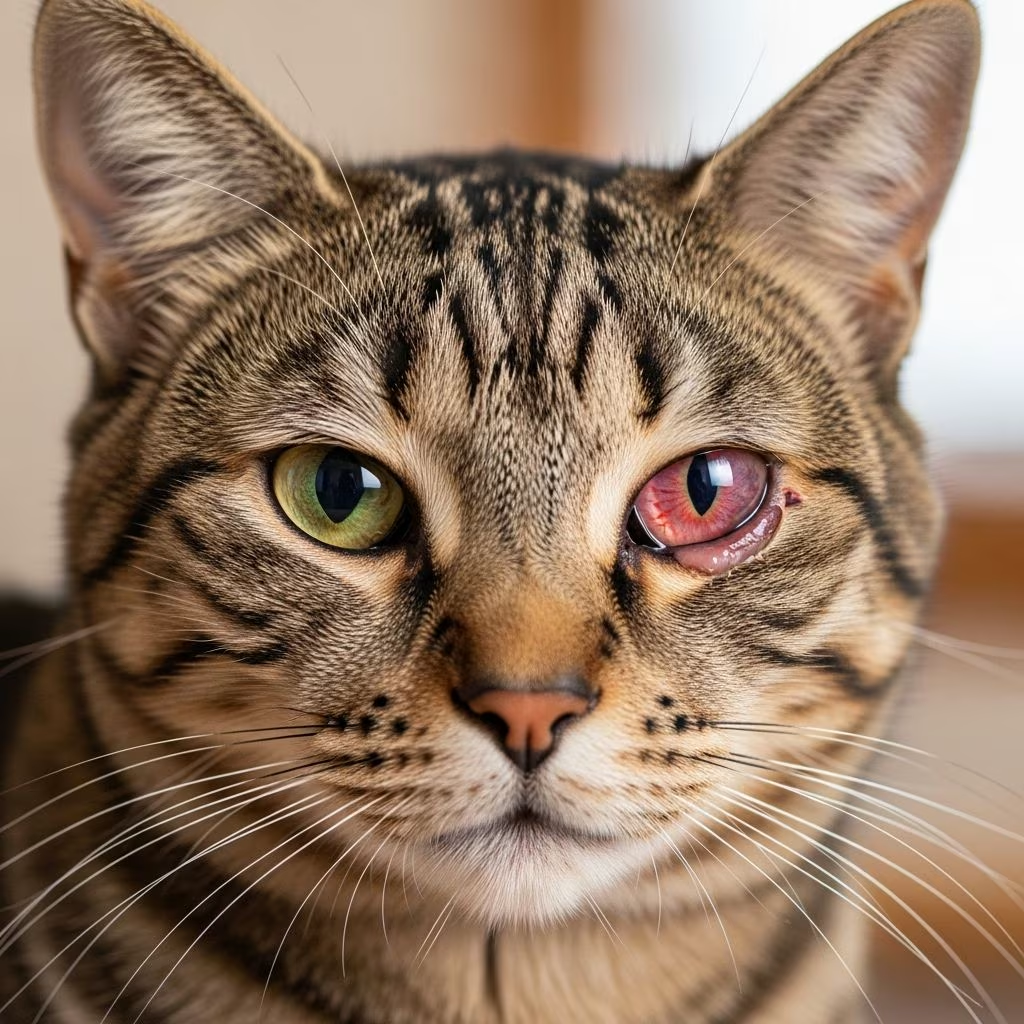
Conjunctivitis, often called pink eye, affects the thin membrane covering a cat’s eyeball and inner eyelids, leading to discomfort and potential complications if untreated. This condition is prevalent in felines, particularly kittens and those in multi-cat environments, due to its contagious nature from viral or bacterial sources.
Recognizing the Signs of Eye Trouble in Your Cat
Early detection is crucial for managing conjunctivitis effectively. Cats with this issue often exhibit noticeable changes around their eyes that signal inflammation.
- Redness and Swelling: The whites of the eyes turn pink or red, with puffy eyelids or surrounding tissues.
- Discharge Variety: From watery tears to thick, yellow-green pus or even bloody fluid, depending on the cause.
- Squinting or Blinking: Frequent pawing at the eyes or keeping them partially closed due to pain or light sensitivity.
- Additional Clues: Hair loss around eyes from rubbing, lethargy, or sneezing if linked to respiratory issues.
These symptoms can appear in one or both eyes and may worsen rapidly, especially in young cats.
Primary Causes Behind Feline Eye Inflammation
Multiple factors trigger conjunctivitis, ranging from infectious agents to environmental triggers. Identifying the root cause guides appropriate treatment.
Infectious Culprits
Viral infections dominate, with **feline herpesvirus-1 (FHV-1)** being the top offender, often causing recurrent episodes triggered by stress. Bacterial invaders like Chlamydophila felis and Mycoplasma contribute, especially alongside upper respiratory infections.
Non-Infectious Triggers
- Allergies: Pollen, dust, or mold provoke itchy, inflamed eyes.
- Irritants and Trauma: Dust, chemicals, foreign objects, or scratches lead to acute reactions.
- Structural Issues: Eyelid abnormalities like entropion or extra eyelashes irritate the surface.
- Immune Disorders: Rare cases involve eosinophilic or lipogranulomatous types where the body attacks its own tissues.
Cats with weakened immunity from FIV or FeLV face higher risks.
How Veterinarians Diagnose Cat Conjunctivitis
A vet’s exam starts with a close look using tools like fluorescein stain to check for ulcers and a slit lamp for detailed views. Swabs for lab tests confirm viruses or bacteria, while allergy tests rule out environmental factors.
| Diagnostic Step | Purpose | Common Findings |
|---|---|---|
| Physical Eye Exam | Assess redness, swelling, discharge | Inflammation, chemosis, ulcers |
| Fluorescein Staining | Detect corneal damage | Glow under blue light if ulcers present |
| Cytology/Swabs | Identify pathogens | Bacteria, white cells, viruses |
| Schirmer Tear Test | Measure tear production | Low in dry eye cases |
These steps ensure targeted therapy, preventing escalation to blindness.
Treatment Strategies for Effective Recovery
Treatment hinges on the cause but prioritizes pain relief, infection control, and addressing triggers. Most cases clear in 1-3 weeks with compliance.
Topical Therapies
- Antibiotics: Ointments like terramycin, tobramycin, or erythromycin combat bacteria and prevent secondaries.
- Anti-Inflammatories: Drops reduce swelling; combinations like NeoPolyDex offer broad action.
- Antivirals: For FHV-1, options manage flare-ups.
Supportive and Systemic Care
Cold compresses soothe trauma-induced cases, while oral doxycycline treats chlamydophila. Immune-mediated issues may need immunosuppressants like tacrolimus. Remove irritants surgically if needed.
Owners must apply meds gently, washing hands to avoid spread.
Preventing Recurrence and Protecting Your Household
Proactive steps minimize risks, especially in herpes carriers who shed virus under stress.
- Vaccinate against FHV-1 and calicivirus.
- Reduce stress with stable routines, pheromone diffusers.
- Maintain hygiene: Clean litter boxes, isolate sick cats.
- Control allergies by minimizing dust and using air filters.
- Regular vet check-ups for at-risk cats.
Lysine supplements may aid FHV-1 control, though evidence varies.
When to Seek Emergency Veterinary Help
Rush to the vet if eyes are clouded, pupil irregular, severe swelling blocks vision, or symptoms persist beyond 48 hours. Untreated cases risk corneal ulcers or chronic issues.
FAQs on Cat Conjunctivitis
Is cat conjunctivitis contagious to humans?
No, feline causes don’t transmit to people, but hygiene prevents pet-to-pet spread.
Can I treat my cat’s pink eye at home?
Saltwater rinses offer temporary relief, but vet-prescribed meds are essential for cure.
How long does recovery take?
Typically 1-3 weeks; recurrences possible with viruses.
Does conjunctivitis affect vision permanently?
Rarely, if promptly treated; delays can cause scarring.
What breeds are prone?
Persians with flat faces due to eyelid issues; all breeds susceptible to infections.
References
- Conjunctivitis in Cats (Cat Pink Eye) — PetMD. 2023. https://www.petmd.com/cat/conditions/eyes/c_ct_conjunctivitis
- Conjunctivitis in cats – Causes, Treatment and Associated Conditions — Vetster. 2024. https://vetster.com/en/conditions/cat/conjunctivitis
- Cat Conjunctivitis: Should You See the Vet for Feline Pink Eye? — Saratoga Veterinary Hospital. 2023. https://saratogavethosp.com/blog/cat-conjunctivitis/
- Diagnosing, Treating, and Managing Causes of Conjunctivitis in Dogs and Cats — Today’s Veterinary Practice. 2022. https://todaysveterinarypractice.com/ophthalmology/conjunctivitis-in-dogs-and-cats/
- Cat conjunctivitis: causes, symptoms and treatment — Vets Now. 2023. https://www.vets-now.com/pet-care-advice/cat-conjunctivitis-causes-symptoms-and-treatment/
- Conjunctivitis in Cats | Pink Eye Symptoms, Causes & Treatment — Embrace Pet Insurance. 2024. https://www.embracepetinsurance.com/health/conjunctivitis
- Conjunctivitis | Cornell University College of Veterinary Medicine — Cornell Feline Health Center. 2023. https://www.vet.cornell.edu/departments-centers-and-institutes/cornell-feline-health-center/health-information/feline-health-topics/conjunctivitis



