

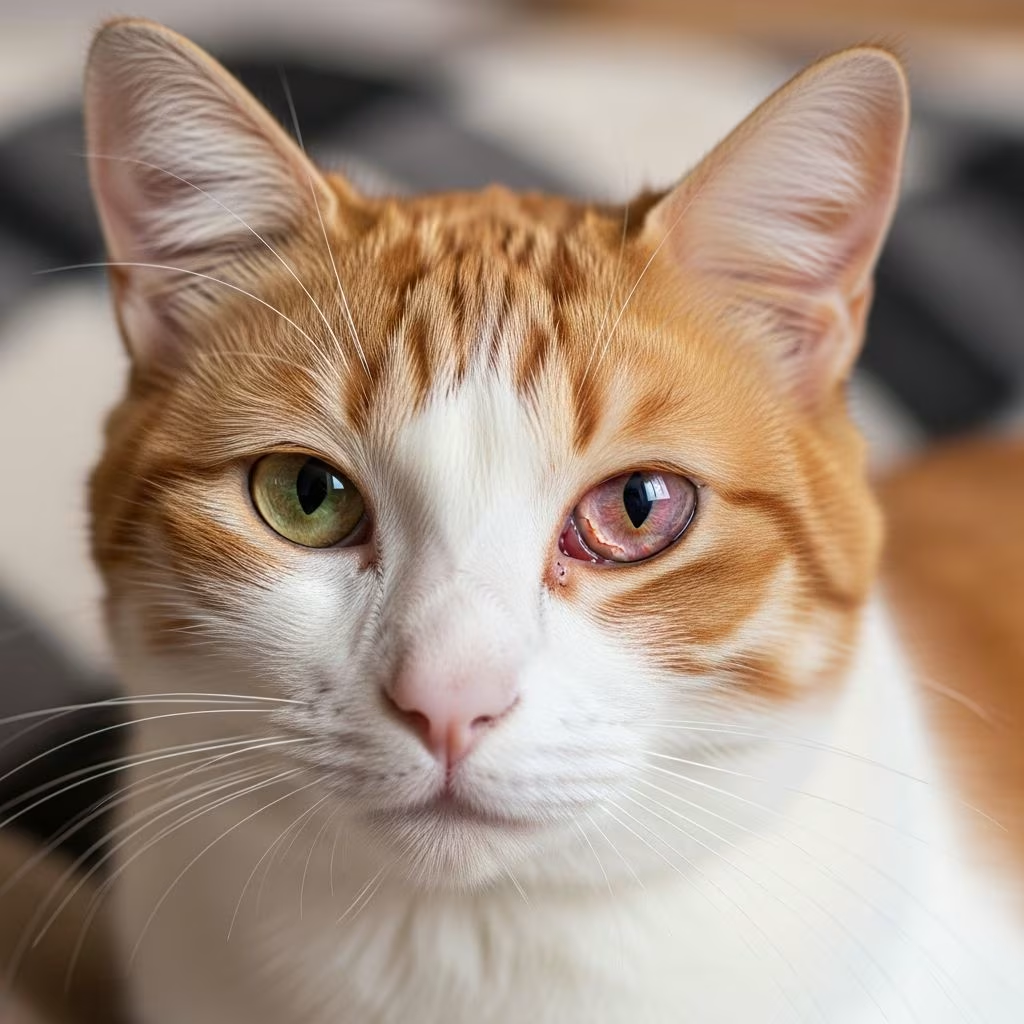
Cat conjunctivitis, often called feline pink eye, involves inflammation of the thin membrane covering the eyeball and inner eyelids. This condition affects many cats, causing discomfort and potential vision issues if untreated. Early recognition and veterinary intervention are crucial for resolution.
Recognizing the Signs of Eye Inflammation in Cats
Owners often notice changes in their cat’s eyes first. Common indicators include redness around the eye whites and lids, excessive tearing, or thick discharge ranging from watery to pus-like. Cats may paw at their eyes, squint, or keep them partially closed due to pain or light sensitivity.
- Redness and swelling: The conjunctiva turns bright pink or red, sometimes with puffiness.
- Discharge variations: Clear fluid suggests allergies or early irritation; yellow-green pus points to bacterial involvement; bloody tint signals trauma or severe infection.
- Behavioral cues: Frequent blinking, rubbing eyes on surfaces, or lethargy, especially with sneezing or nasal discharge indicating respiratory links.
- Unilateral vs. bilateral: One eye affected might mean trauma or foreign body; both eyes often signal infection or allergy.
These symptoms can appear suddenly or develop gradually. Kittens and shelter cats show higher rates due to exposure risks.
Primary Causes Behind Feline Eye Issues
Multiple factors trigger conjunctivitis in cats. Viral infections dominate, unlike allergies in dogs. Understanding the root helps tailor treatment.
Viral Triggers
Feline herpesvirus-1 (FHV-1), also known as feline viral rhinotracheitis, leads most cases. This virus hides in nerve cells, reactivating under stress, illness, or crowding. Symptoms pair with upper respiratory signs like sneezing and fever. Feline calicivirus contributes similarly, spreading via saliva or secretions. Both create lifelong carriers, with flares in 80% of infected cats.
Bacterial Culprits
Bacteria like Chlamydophila felis and Mycoplasma thrive as primary or secondary invaders post-virus. These cause follicular conjunctivitis with gritty discharge and swollen lids. Streptococci or Staphylococci appear in trauma cases. Contagious among cats, they demand isolation.
Allergic and Environmental Factors
Less common, allergens such as pollen, dust mites, or litter irritate sensitive eyes bilaterally. Smoke, perfumes, or chemicals provoke similar reactions. Eosinophilic conjunctivitis, possibly immune-linked to FHV-1, features white cell buildup causing chronic redness.
Other Contributors
Trauma from scratches, foreign objects, or eyelid defects like entropion inflames tissue. Systemic diseases including FIV or FeLV weaken immunity, predisposing eyes. Lipid deposits in lipogranulomatous form create nodules along lids.
| Cause Type | Common Examples | Key Features |
|---|---|---|
| Viral | FHV-1, Calicivirus | Recurrent, respiratory symptoms, contagious |
| Bacterial | Chlamydophila, Mycoplasma | Pus discharge, follicles, treatable with antibiotics |
| Allergic/Irritant | Pollen, smoke, dust | Bilateral, itchy, no fever |
| Trauma/Other | Scratches, FIV/FeLV | Unilateral often, underlying disease link |
Diagnosing the Problem Accurately
Veterinarians start with a full ophthalmic exam using fluorescein dye to detect ulcers and a slit lamp for detailed views. Discharge swabs enable culture or PCR testing for viruses/bacteria. Bloodwork checks for FIV/FeLV if chronic. Schirmer tear tests assess dryness.
Differentiation matters: viral cases self-limit in 2 weeks but risk corneal scars; bacterial need targeted antibiotics to prevent spread.
Treatment Strategies for Relief and Recovery
Treatment targets the cause while easing pain. Most resolve in 1-3 weeks with compliance. Never self-medicate—human drops harm cats.
Topical Therapies
Antibiotic ointments like terramycin (oxytetracycline) or drops (tobramycin, erythromycin) combat bacteria. For herpes, antivirals such as trifluridine or cidofovir pair with them. Anti-inflammatories like NeoPolyDex reduce swelling. Apply by restraining gently, pulling lid down, and squeezing a ribbon of ointment.
Systemic Options
Oral doxycycline or azithromycin tackle Chlamydophila. For immune cases, immunosuppressants like tacrolimus or prednisone drops manage eosinophilic types. Pain relievers aid comfort.
Supportive Measures
Clean eyes with saline-soaked cotton, isolating the cat. Lysine supplements (500mg daily) curb FHV-1 replication. Humidifiers ease dryness; stress reduction prevents flares.
Severe cases may need surgery for entropion or foreign body removal.
Home Care Tips During Treatment
- Wipe eyes front-to-back with warm saline or vet wipes daily.
- Administer meds 2-4 times daily; wash hands after.
- Provide quiet, draft-free space; use e-collar if rubbing.
- Monitor for worsening: cloudiness, pupil changes, or appetite loss—seek emergency care.
- Boost immunity with balanced diet rich in omega-3s.
Preventing Recurrence in Your Cat
Vaccinations against FHV-1 and calicivirus reduce severity, though not 100% preventive. Core vaccines for kittens; boosters yearly for multiples. Quarantine new cats 2 weeks. Minimize stressors: consistent routine, pheromone diffusers. Regular vet eye checks catch early signs.
For carriers, prophylactic lysine and L-lysine treats during stress periods help.
When to Seek Urgent Veterinary Help
Rush to vet if third eyelid protrudes, eye cloudiness, severe squinting, or no improvement in 48 hours. Kittens under 6 months or immunocompromised cats risk dehydration or sepsis. Vision-threatening complications like ulcers demand immediate action.
Frequently Asked Questions (FAQs)
Is cat conjunctivitis contagious to humans?
No, feline causes don’t transmit to people, though hygiene prevents cat-to-cat spread.
How long does treatment last?
Typically 7-21 days; complete full course to avoid resistance.
Can I use over-the-counter drops?
Avoid—formulations differ; consult vet for safe options.
Why does it keep coming back?
FHV-1 carriers reactivate; manage stress and use prophylactics.
Does diet affect eye health?
Yes, antioxidants and taurine support immunity; avoid allergens in food.
Long-Term Management for Chronic Cases
Chronic or recurrent conjunctivitis affects 20-30% of cats post-FHV-1. Regular vet monitoring, topical cyclosporine for immune issues, and environmental controls maintain remission. Genetic predispositions in breeds like Persians warrant screening.
Holistic aids like manuka honey eye washes show promise in studies but require vet approval.
References
- Conjunctivitis in Cats (Cat Pink Eye) — PetMD. 2023. https://www.petmd.com/cat/conditions/eyes/c_ct_conjunctivitis
- Cat Conjunctivitis: Should You See the Vet for Feline Pink Eye? — Saratoga Veterinary Hospital. 2023. https://saratogavethosp.com/blog/cat-conjunctivitis/
- Diagnosing, Treating, and Managing Causes of Conjunctivitis in Dogs and Cats — Today’s Veterinary Practice. 2023. https://todaysveterinarypractice.com/ophthalmology/conjunctivitis-in-dogs-and-cats/
- Conjunctivitis in Cats | Pink Eye Symptoms, Causes & Treatment — Embrace Pet Insurance. 2023. https://www.embracepetinsurance.com/health/conjunctivitis
- Conjunctivitis | Cornell University College of Veterinary Medicine — Cornell Feline Health Center (.edu). 2023. https://www.vet.cornell.edu/departments-centers-and-institutes/cornell-feline-health-center/health-information/feline-health-topics/conjunctivitis
- Conjunctivitis in cats — PDSA. 2023. https://www.pdsa.org.uk/pet-help-and-advice/pet-health-hub/conditions/conjunctivitis-in-cats



