

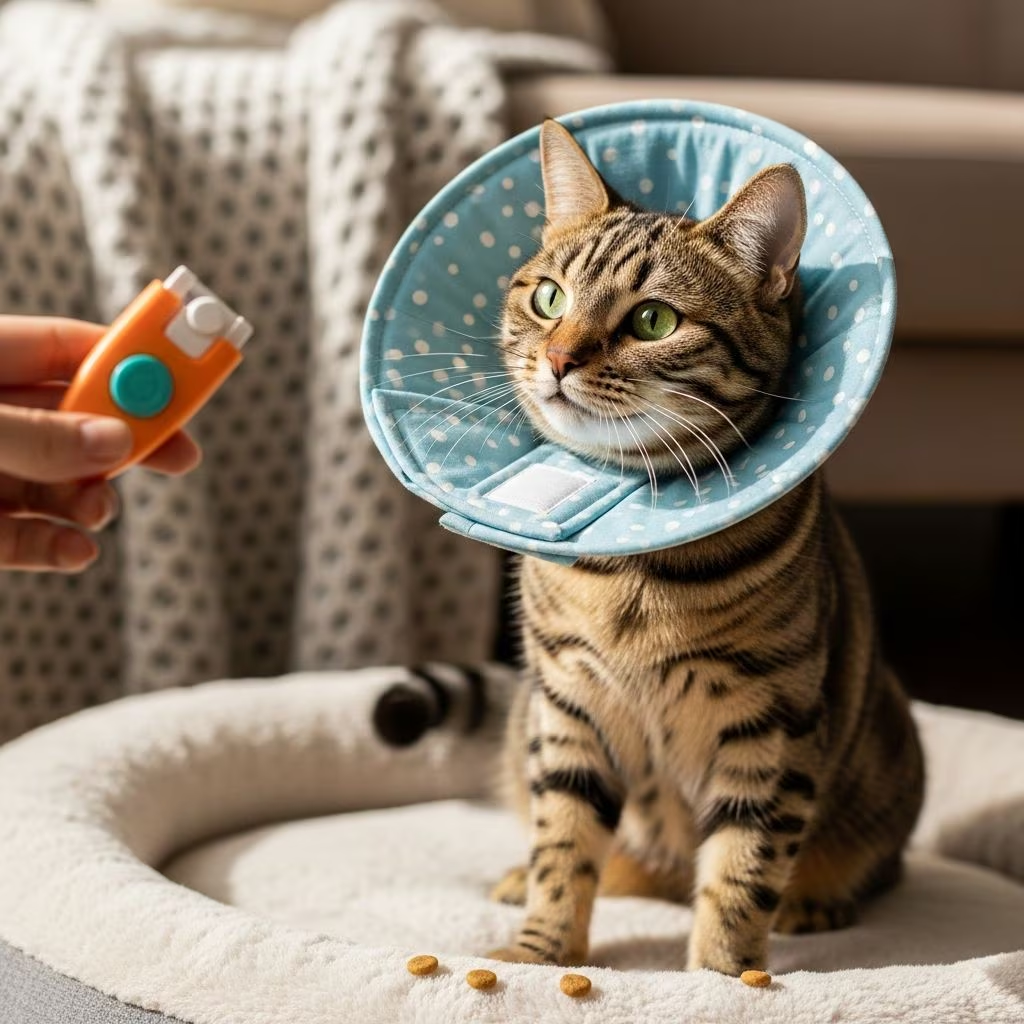
Helping cats adjust to an Elizabethan collar, commonly known as a cone, is essential for successful post-surgical recovery. These devices prevent self-injury by blocking access to wounds, but many cats initially resist them. This guide outlines a gradual desensitization process using positive reinforcement to build comfort and confidence.
Understanding the Role of Cone Collars in Feline Recovery
Cone collars serve a critical function in veterinary care by restricting a cat’s ability to lick or chew surgical sites, incisions, or irritated skin. Post-procedure, such as spaying, neutering, or wound treatment, uncontrolled grooming can lead to infection or delayed healing. VCA Animal Hospitals notes that while most cats adapt quickly, some require additional support like sedatives or alternatives if tolerance is low.
The traditional plastic cone extends beyond the nose to block paw and mouth access. Proper use minimizes stress, allowing cats to eat, drink, and navigate their environment safely. Veterinary experts emphasize preemptive training to associate the cone with positive experiences, reducing anxiety during mandatory wear periods of 5-10 days.
Selecting and Fitting the Right Cone for Your Cat
Choosing an appropriately sized cone is the first step. Measure your cat’s neck circumference and estimate the distance from neck base to nose tip. The collar should be snug yet comfortable, allowing two fingers to slide underneath the edge. It must extend past the nose to prevent backward reaching.
For escape artists, secure the cone to a harness or use gauze to crisscross under the chest and back, creating a stable anchor. Avoid overly tight fits that restrict breathing or swallowing. Test mobility: your cat should turn head side-to-side without distress and access food bowls.
| Cone Type | Pros | Cons | Best For |
|---|---|---|---|
| Plastic E-Collar | Durable, effective barrier | Can be bulky, noisy | Standard surgeries |
| Soft Fabric Cone | Flexible, quieter | Less rigid protection | Sensitive cats |
| Donut Collar | Comfortable cushion | May allow some access | Mild cases |
| Recovery Suit | Full body coverage | Harder to fit initially | Abdominal wounds |
Alternatives like recovery suits offer fabric coverage and follow similar introduction methods. Consult your vet for recommendations tailored to your cat’s procedure.
Preparation Essentials for Successful Desensitization
Gather high-value rewards: treats like Churu, wet food on a spoon, or favorite toys. Calming pheromone sprays applied 30-60 minutes prior can ease initial encounters. Work in a quiet room free of hazards. Sessions should last 5-10 minutes, repeated daily over several days pre-surgery if possible.
- High-value treats: Irresistible flavors to motivate participation.
- Toys: Wand or laser for play-motivated cats.
- Timer: Track short wear durations.
- Safety blocks: Prevent access under furniture where cones snag.
Step-by-Step Desensitization Protocol
Progress slowly, repeating steps until relaxed. Backtrack if stress signs appear: ears back, freezing, pawing, vocalizing, or hiding. Reward every interaction heavily.
Phase 1: Familiarization and Positive Associations
Place the cone nearby without forcing interaction. Reward sniffing, looking, or approaching with treats or play. Repeat until curiosity overrides caution. This builds trust without pressure.
Phase 2: Encouraging Head Entry
Widen the cone opening maximally. Lure with a treat held inside, starting close then pulling back. Praise head insertion vocally. Sessions end on success to reinforce positivity.
Phase 3: Brief Wear Trials
Guide head through, secure loosely, and remove after 5-10 seconds. Reward immediately. Gradually extend to 30 seconds, feeding through the cone to normalize presence.
Phase 4: Extended Wear and Mobility
Increase duration to minutes while stationary, then encourage walking. Toss treats or toys ahead, guide to litter box and bed. Avoid heights to prevent falls—altered whiskers impair spatial judgment.
Phase 5: Full-Day Integration
Monitor during normal routines. Reward navigation successes. Indoor confinement is advised to mitigate stuck risks.
Recognizing and Managing Stress Signals
Watch body language closely. Dilated pupils, tail thrashing, or refusal to eat signal overload. Pause training, offer comfort without removal. Positive reinforcement trumps force—removal reinforces escape as reward.
For severe cases, vets may prescribe short-term sedatives. Persistent issues warrant alternatives like donut collars or suits, introduced identically.
Safety Protocols During Cone Wear
Cats rely on whiskers for navigation; cones disrupt this, increasing stuck risks in tight spaces. Block furniture undersides, supervise constantly, and confine indoors. Check fit twice daily, cleaning the cone to prevent odor buildup.
- Food/Water: Elevate bowls if needed; most adapt quickly.
- Litter: Ensure easy access; scoop frequently.
- Grooming: Wipe face gently; no baths.
- Sleep: Provide low-sided beds.
Troubleshooting Common Challenges
Cat removes cone: Reinforce with harness/gauze.
Refuses food: Hand-feed small amounts through cone; try warming wet food.
Bumps into walls: Dim lights, add bumpers to furniture.
Not sleeping: Create cozy, cone-friendly nooks.
Transitioning Off the Cone
Follow vet timelines strictly—premature removal risks complications. Gradual weaning: short off-periods under supervision near end. Monitor wound healing before full removal.
Frequently Asked Questions
How long must my cat wear the cone?
Typically 5-7 days for males, 7-10 for females post-neuter/spay, or as vet-directed.
Can I take the cone off at night?
No, continuous wear prevents undetected licking.
What if my cat won’t eat with it on?
Use syringe feeding or cone-compatible bowls; consult vet if prolonged.
Are there cone-free options?
Yes, suits or soft collars for some cases—vet approval required.
Is training possible post-surgery?
Yes, adapt steps with extra patience and rewards.
Long-Term Benefits of Proactive Training
Pre-surgery desensitization shortens adjustment time, lowers stress hormones, and speeds recovery. Cats trained early resume routines faster, improving owner-cat bonds through trust-building exercises.
References
- Is Your Cat Wearing a Cone? E-Collar Tips for Cats — ELVH. Accessed 2026. https://elvh.ca/cat-cones/
- Your Cat in a Cone: Elizabethan Collar Desensitization — Preventive Vet. Accessed 2026. https://www.preventivevet.com/cats/your-cat-in-a-cone-collar-desensitization
- How to Put On an E-collar – Spay Neuter Charlotte — YouTube (Stand For Animals). Accessed 2026. https://www.youtube.com/watch?v=mQm3Em7q0KM
- Elizabethan Collars in Cats — VCA Animal Hospitals. Accessed 2026. https://vcahospitals.com/know-your-pet/elizabethan-collars-in-cats
- Wear it properly, wear it proud! E-collar tips for you and your pet — Animal Vision Center. Accessed 2026. https://animalvisioncenterva.com/wear-it-properly-wear-it-proud-e-collar-tips-for-you-and-your-pet/



