

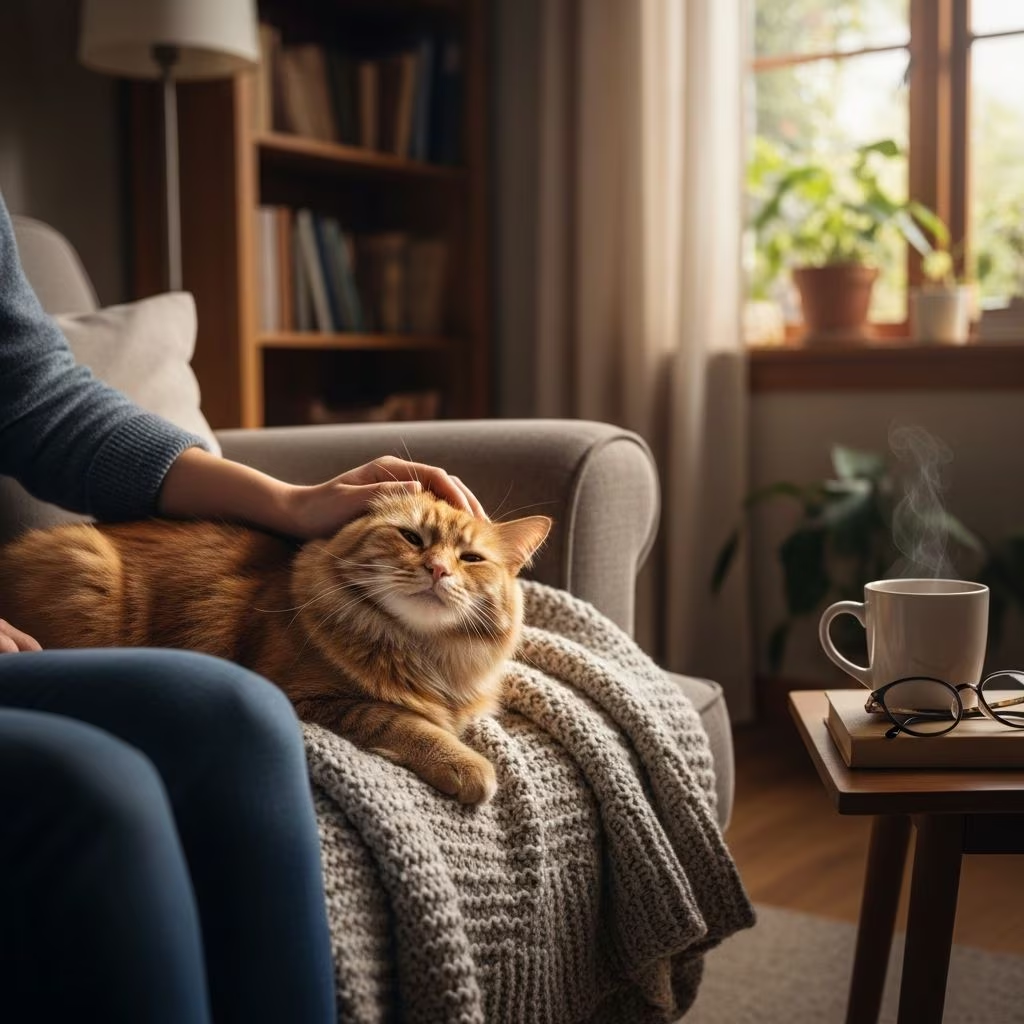
Cat ownership extends far beyond providing food and shelter. The quality and quantity of time you dedicate to your feline companion significantly influences their physical health, emotional development, and behavioral patterns. Many cat owners wonder whether their cats truly need structured daily interaction or if they prefer solitude. The truth lies somewhere in between—cats thrive when given purposeful attention that aligns with their natural instincts and individual temperament.
Understanding how much time to spend with your cat requires examining multiple factors including age, energy level, personality type, and overall health status. This comprehensive guide explores the evidence-based recommendations for cat companionship and offers practical strategies for integrating meaningful interaction into your daily routine.
The Foundation: Why Regular Interaction Matters
Interactive engagement serves multiple essential functions in a cat’s life. Beyond simple entertainment, playtime and companionship provide crucial mental stimulation that prevents behavioral problems such as destructive scratching, excessive vocalization, and inappropriate elimination. Physical exercise during play sessions helps maintain a healthy weight, reduces stress, and supports cardiovascular health.
Cats possess natural hunting instincts that remain present regardless of domestication. When these instincts lack proper outlets, cats may develop anxiety, depression, or redirect their predatory behaviors toward household members. Structured playtime satisfies these innate drives while simultaneously strengthening the human-animal bond. Research indicates that cats who receive consistent, quality interaction display improved emotional regulation and demonstrate stronger attachment to their caregivers.
Age-Specific Interaction Requirements
A cat’s developmental stage dramatically influences their interaction needs and play capacity. Recognizing these differences allows you to tailor your approach for maximum benefit.
Kittens and Young Cats
Young cats possess seemingly inexhaustible energy reserves and rapid learning abilities. Kittens require frequent, short bursts of activity throughout the day rather than extended single sessions. Multiple play periods lasting 10-15 minutes each distributed across morning, midday, and evening hours align with their natural rhythms and attention spans. These formative months present an ideal opportunity to establish positive interaction patterns and teach appropriate play boundaries before problematic behaviors develop.
Highly energetic young cats may benefit from up to 60 minutes of cumulative daily play spread across numerous sessions. However, monitor your kitten for signs of overstimulation, including dilated pupils, flattened ears, tail twitching, or sudden aggression.
Adult Cats
Most adult cats maintain moderate, consistent energy levels and demonstrate improved focus compared to their younger counterparts. A practical guideline suggests allocating 20-30 minutes daily for interactive play through varied activities. This timeframe can be distributed as two 15-minute sessions or three 10-minute periods, allowing adequate rest between engagements.
Adult cats typically demonstrate peak activity during early morning and late evening hours, reflecting their crepuscular nature. Scheduling playtime during these naturally active periods increases enthusiasm and participation while producing better physical outcomes.
Senior Cats
As cats age, mobility may decrease and energy reserves diminish. Nevertheless, senior cats benefit tremendously from continued engagement. Rather than eliminating playtime entirely, adjust the intensity and duration while potentially increasing frequency. Senior cats may thrive with three to four shorter sessions lasting 10-15 minutes each daily. Gentle, low-impact activities such as slow-moving toys, puzzle feeders, or calm interactive play accommodate aging joints while maintaining cognitive function and preventing cognitive decline.
Understanding Individual Personality and Energy Profiles
Beyond age, individual personality significantly influences optimal interaction duration. Each cat possesses unique temperament traits that should guide your companionship strategy.
High-Energy and Playful Temperaments
Some cats naturally possess more exuberant personalities and welcome frequent engagement. These individuals may request play sessions 10 times daily or more and sustain interest for extended periods. These cats often initiate interaction, bring toys to their owners, or perform behaviors designed to capture attention. Recognizing and responding appropriately to these signals strengthens your relationship while satisfying their behavioral needs.
Reserved and Low-Energy Personalities
Other cats prefer minimal interaction and may become stressed by excessive handling or play. These individuals benefit from shorter, less frequent sessions that respect their boundaries. Providing solo enrichment options such as climbing structures, window perches, or puzzle toys allows engagement on their preferred terms. Respecting a cat’s personality type rather than forcing unwanted interaction builds trust and prevents anxiety-related behavioral issues.
Anxious or Sensitive Cats
Cats with anxiety tendencies benefit from slow, predictable interaction patterns. Structured playtime with clear beginning and ending points helps these individuals feel secure and confident. Starting with brief 5-minute sessions and gradually extending duration as comfort increases creates positive associations with companionship.
Health Considerations and Adjustments
Physical health status profoundly affects a cat’s capacity for and interest in play. Several conditions necessitate modified interaction approaches.
- Post-surgical recovery: Cats healing from surgery require restricted activity and gentler engagement patterns established in consultation with your veterinarian
- Chronic pain conditions: Arthritis, hip dysplasia, or other degenerative conditions benefit from low-impact activities and potentially increased frequency of shorter sessions
- Obesity: Overweight cats need gradual increases in activity, beginning with gentle play and progressing toward more vigorous engagement
- Behavioral changes: Sudden decreases in play interest may indicate underlying health issues warranting veterinary evaluation
Structuring Your Daily Play Schedule
Creating a consistent routine helps cats anticipate and prepare for interaction, reducing stress while establishing healthy behavioral patterns. A well-designed schedule accommodates natural activity rhythms while fitting your personal schedule.
| Time of Day | Activity Type | Duration |
|---|---|---|
| Early Morning (Dawn) | Interactive wand toy mimicking prey | 10-15 minutes |
| Midday | Puzzle feeders or solo enrichment | 5-10 minutes |
| Late Afternoon | Chase games or laser play | 10 minutes |
| Evening (Before Bedtime) | Vigorous play to promote sleep | 15 minutes |
| Throughout Day | Environmental enrichment access | Continuous |
Toy Rotation and Enrichment Variety
Maintaining interest in playtime requires regularly introducing new toys and rotating existing options. Cats experience habituation to familiar items, resulting in decreased enthusiasm if the same toys appear daily. Store toys and introduce them periodically to maintain novelty and excitement.
Diverse toy types serve different purposes within your play strategy:
- Wand toys: Simulate prey movement, encourage jumping and pouncing, best for supervised interactive play
- Puzzle feeders: Combine feeding with mental stimulation, promoting natural foraging behaviors
- Laser pointers: Encourage running and agility, though should be combined with physical toys to capture satisfying prey sensation
- Balls and mice toys: Allow solo play, best supervised to prevent ingestion of small parts
- Climbing structures: Provide vertical space, exercise, and elevated resting areas
Environmental Enrichment Beyond Direct Play
Companionship extends beyond active play sessions. Environmental enrichment provides ongoing mental stimulation and entertainment that supports your cat’s well-being when direct interaction isn’t possible.
Window access offers natural stimulation through bird-watching and outdoor observation. Vertical spaces such as cat trees, shelves, and wall-mounted perches satisfy climbing instincts while providing secure vantage points. Interactive feeders transform mundane meal times into problem-solving opportunities. Automated toys that operate independently provide engagement during your absence.
The combination of structured interactive play, enriched environment, and independent entertainment creates a holistic approach to feline companionship that addresses both physical and psychological needs.
Recognizing Overstimulation and Play Fatigue
While playtime offers tremendous benefits, excessive or poorly-timed interaction can produce negative effects. Learning to recognize overstimulation signals prevents stress and potential aggression.
Warning signs include rapid tail twitching, ears rotated backward, dilated pupils, skin rippling, sudden directional changes, or defensive posturing. When these indicators appear, immediately cease play and allow your cat quiet recovery time. This teaches appropriate play boundaries while preventing negative associations with interaction.
Similarly, respect disinterest signals. When your cat walks away, returns focus to grooming, or stops pursuing toys, playtime should conclude. Forcing continuation when enthusiasm wanes results in frustration and reduces future engagement likelihood.
Practical Strategies for Busy Schedules
Modern life often challenges pet owners’ ability to maintain ideal interaction patterns. Several strategies help integrate regular companionship despite time constraints:
- Establish consistent play windows: Even 5-minute sessions twice daily provide meaningful engagement
- Involve household members: Distribute responsibility among family members, ensuring regular interaction even during your personal busy periods
- Combine activities: Play while dinner cooks, engage during phone calls using speakerphone, or schedule sessions immediately before personal routines
- Invest in enrichment devices: Automatic toys, puzzle feeders, and climbing structures provide ongoing engagement during your absence
Monitoring and Adjusting Your Approach
Individual cats display tremendous variation in their ideal interaction patterns. Establish baseline expectations, then observe and adjust based on your specific cat’s response. Track play sessions, note your cat’s enthusiasm levels, monitor weight and muscle tone, and assess behavioral changes. This information guides refinements to your companionship strategy over time.
If your cat displays lethargy, excessive sleeping, weight gain, or behavioral changes alongside decreased play interest, consult your veterinarian. These changes may indicate underlying health issues requiring professional evaluation.
The Lifelong Benefits of Consistent Companionship
Dedicating regular time to feline companionship represents an investment in your cat’s long-term health and happiness. Cats who receive consistent, quality interaction demonstrate improved emotional resilience, reduced anxiety, stronger bonds with caregivers, and better overall physical health outcomes. The relatively modest time investment—as little as 20-30 minutes daily distributed across multiple sessions—yields substantial returns in behavioral well-being and household harmony.
Your cat’s individual needs, preferences, and life stage should guide specific decisions regarding interaction duration and style. By combining evidence-based recommendations with attentive observation of your unique feline companion, you create a personalized companionship pattern that strengthens your relationship while supporting optimal physical and psychological health.
Frequently Asked Questions
- What is the absolute minimum daily interaction time recommended for adult cats?
- While quality matters more than quantity, most veterinary sources recommend a minimum of 20-30 minutes of interactive play daily for adult cats, distributed across multiple sessions. However, even cats receiving minimal time (5 minutes twice daily) benefit from consistent engagement.
- Can I do all recommended play in one long session?
- No. Multiple shorter sessions throughout the day prove more effective than single extended play periods. Cats maintain better focus, experience more natural activity rhythms, and experience less overstimulation with this approach.
- Do indoor cats need more interaction than outdoor cats?
- Yes. Indoor cats lack the natural environmental stimulation and independent activity opportunities available to outdoor cats, making structured companionship and enrichment particularly important.
- Is it possible to over-play with my cat?
- Excessive play can lead to overstimulation, indicated by aggressive behavior, stress responses, or injury. Observe your cat’s signals and cease play when they show disinterest or fatigue signs.
References
- How Long Should You Play Your Cat Every Day? A Vet’s 2025 Guide to Enrichment and Bonding — AskAVet. 2025-01-29. https://askavet.com/blogs/news/how-long-should-you-play-your-cat-every-day
- How Often Should You Play with Your Cat? — American Animal Hospital Association (AAHA). https://www.aaha.org/resources/how-often-should-you-play-with-your-cat
- How Long Should I Play With My Cat? — PrettyLitter. https://www.prettylitter.com/blog/how-long-to-play-with-cat
- Discover the 2025 Benefits of Playing With Your Cat Daily — Flamingo Pet Clinic. https://flamingopetclinic.com/top-reasons-to-play-with-your-cat-regularly
- Routine for Cats — Homeward Trails Animal Center. https://www.homewardtrails.org/resources/cat-behavior-training-health-resources-2/routine-for-cats
- Cats and Play: Cat Behaviour Advice — Cats Protection. https://www.cats.org.uk/help-and-advice/cat-behaviour/cats-and-play



