

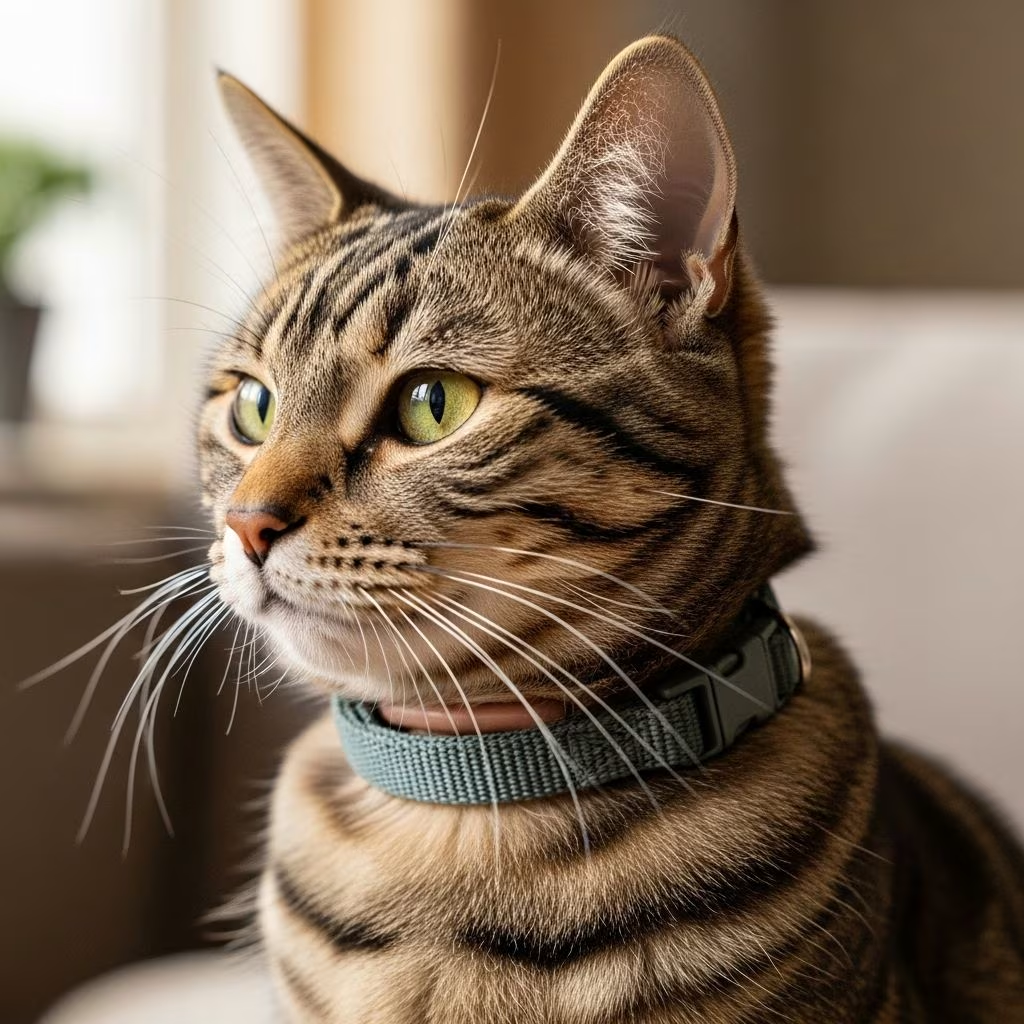
Selecting and fitting a cat collar properly is one of the most overlooked aspects of feline care. Many cat owners focus solely on style or identification features without considering whether the collar fits appropriately. A poorly fitted collar can cause discomfort, restrict movement, create health hazards, or even lead to injury. Understanding how to measure your cat’s neck and apply the fundamental principles of collar fitting ensures your cat remains safe while maintaining the collar’s practical benefits.
The Foundation: Understanding Why Proper Fit Matters
A cat’s neck is delicate and sensitive. Unlike dogs, cats have less muscle mass around their neck area and are more prone to escape from constraints that feel uncomfortable. When a collar is too tight, it can restrict blood flow, interfere with breathing, or cause skin irritation beneath the fur. Conversely, a collar that is too loose can slip off easily, defeating its purpose of keeping identification attached to your cat or preventing escape during outdoor adventures.
Beyond the obvious safety concerns, an improperly fitted collar affects your cat’s behavior and emotional wellbeing. Cats that feel restricted by their collars often display stress behaviors such as excessive grooming, reluctance to move, or attempting to remove the collar repeatedly. These signs indicate that the fit requires adjustment.
The Two-Finger Rule: The Universal Standard for Proper Fit
The most widely recommended guideline for determining whether a cat collar fits correctly is the two-finger rule. This simple test provides an objective measurement that accounts for comfort without sacrificing security. When your cat wears the collar, you should be able to slip one to two fingers comfortably between the collar material and your cat’s neck. This space ensures the collar is snug enough to prevent slipping while allowing adequate movement and circulation.
To perform this test accurately, gently slide your fingers under the collar while it remains fastened on your cat. Your fingers should move smoothly without excessive resistance, but the collar should not slide freely around the neck. If you cannot fit even one finger, the collar is too tight. If you can fit more than two fingers, it is too loose and poses an escape risk.
This guideline applies regardless of your cat’s size, age, or fur length. Whether you have a petite indoor kitten or a robust Maine Coon, the two-finger standard remains your measuring stick for appropriate tension.
Taking Accurate Measurements: The Foundation of Proper Fitting
Before purchasing a collar, measuring your cat’s neck provides the starting point for selecting the correct size. Accurate measurements prevent the frustration of ordering collars that do not fit properly.
Step-by-Step Measurement Process
- Prepare your tools: Use a flexible measuring tape or, if unavailable, a piece of string paired with a ruler.
- Ensure your cat is calm: Have your cat sit or stand still in a relaxed position. Attempting to measure an anxious or mobile cat produces inaccurate results.
- Wrap around the neck: Gently wrap the measuring tape or string around the middle section of your cat’s neck where the collar will rest. Avoid pushing the tape deep into the fur, as this provides false measurements.
- Add buffer space: Once you have the basic neck measurement, add approximately 2.5 centimeters (1 inch) to this figure. This addition accounts for the space needed between the collar and neck for proper fit and comfort.
- Verify the measurement: Measure multiple times to confirm accuracy. Different positions or angles can produce slightly different readings.
- Document the result: Write down your final measurement, including both the baseline neck size and the adjusted size with added space.
Alternative Measurement Method
If your cat already wears a collar that fits well, an alternative approach involves measuring the existing collar. Remove the collar and, while it remains fastened at the hole your cat normally wears, measure the inside circumference. This method eliminates guesswork and provides a precise reference point for purchasing a replacement or similar collar.
Understanding Collar Size Categories and Options
Cat collars come in several standardized sizes, each designed for different ages and sizes of cats. Knowing which category suits your cat ensures you start with appropriately scaled options.
Kitten Collars
Kittens have smaller necks that grow rapidly during their first year of life. Kitten collar sizes typically range from 6 to 10 inches in circumference. These collars are designed to be lightweight and flexible, reducing strain on developing necks. Adjustable collars work particularly well for kittens because you can modify the fit as your kitten grows, extending the useful life of the collar.
Adult Cat Collars
Adult cats require collars sized for their fully developed necks, typically ranging from 8 to 13 inches in circumference. Once your kitten reaches full maturity, usually between 12 and 18 months of age, transition to an adult-sized collar designed to accommodate their final neck dimensions.
Size Specifications by Weight
Some manufacturers organize collar sizes by weight categories, which can provide additional guidance:
| Weight Range | Collar Measurement | Suggested Size Category |
|---|---|---|
| 2.5–4.5 kg (5.5–10 lbs) | 18–22 cm (7–8.6 inches) | Small Kitten |
| 4.5–7 kg (10–15.5 lbs) | 21–26 cm (8.2–10.2 inches) | Large Kitten/Small Adult |
| 7 kg+ (15.5+ lbs) | 26–31 cm (10.2–12.2 inches) | Large Adult |
Weight-based categories provide a helpful starting point, but actual neck measurement remains more reliable than weight alone, as muscle composition, body structure, and fur thickness vary significantly among cats of similar weight.
Ongoing Monitoring: Ensuring Continued Proper Fit
Fitting a collar correctly is not a one-time task. Regular checks ensure the collar maintains appropriate fit as your cat grows, changes weight, or experiences seasonal fur variations.
Frequency of Checks
Perform the two-finger test at least monthly for adult cats and weekly for kittens, whose necks change rapidly. Additionally, check the fit whenever you notice your cat displaying signs of collar discomfort, such as scratching at the collar more frequently than usual or appearing reluctant to wear it.
Seasonal Adjustments
Cats with longer coats experience significant seasonal fur changes. During shedding season, fur density decreases, potentially making collars that previously fit well suddenly feel looser. Conversely, during dense coat growth in preparation for winter, the same collar might become uncomfortably tight. Adjust as needed to maintain proper fit through seasonal transitions.
Growth Management
Young cats grow continuously until they reach full maturity. If your kitten wears a non-adjustable collar, you may need to replace it several times as growth occurs. Adjustable collars reduce this necessity by allowing you to modify the fit without purchasing new collars.
Collar Materials and Their Impact on Fit
The material composition of a collar affects how it fits and performs. Different materials provide varying levels of flexibility, durability, and comfort.
Nylon collars offer adjustability and are lightweight, making them suitable for kittens. They conform somewhat to your cat’s neck shape, facilitating a secure fit without excessive tightness. Elastic or fabric blends provide comfort and gentle pressure, though they may stretch over time, requiring periodic re-tightening. Leather collars are durable but typically non-adjustable, necessitating careful initial sizing. Breakaway collars, designed for safety, disengage if excessive tension occurs, preventing choking hazards—an important feature for all cats but especially those prone to getting collars caught on objects.
Regardless of material, the two-finger rule remains your standard for determining whether a collar fits appropriately.
Safety Features That Complement Proper Fitting
Beyond achieving the correct tightness, several safety features work in conjunction with proper fit to maximize your cat’s protection.
Breakaway Buckles and Quick-Release Mechanisms
Breakaway collars automatically release under excessive tension, preventing choking if a collar becomes caught on furniture, branches, or other objects. This feature is particularly valuable for indoor-outdoor cats and eliminates the risk of strangulation, even if the collar is slightly too tight due to miscalculation.
Reflective Elements
Reflective strips or patches enhance visibility during low-light conditions, aiding motorists and pedestrians in spotting your cat. These elements add minimal weight and do not affect fit but significantly increase safety for cats that venture outdoors.
ID Tags and Information Attachments
Ensure ID tags are securely attached but not so heavy that they pull excessively on the collar. Large or multiple tags can shift the collar’s position and alter the fit over time, necessitating periodic re-evaluation of the two-finger test.
Common Fitting Mistakes and How to Avoid Them
Measuring too deep into fur: When measuring, avoid compressing the fur excessively. This produces inflated measurements that result in collars being too loose once the cat wears them.
Ignoring growth in kittens: Kittens grow rapidly. Collars that fit perfectly one month may be uncomfortably tight the next. Invest in adjustable collars or plan for frequent replacements.
Neglecting seasonal coat changes: Even adult cats require periodic fit adjustments as their coat density fluctuates throughout the year.
Prioritizing aesthetics over comfort: Decorative collars may be visually appealing but uncomfortable for your cat. Comfort should always take precedence over appearance.
When to Seek Professional Assistance
If your cat displays persistent signs of collar discomfort—such as hair loss, redness, excessive scratching, or refusal to wear the collar despite your adjustment efforts—consult your veterinarian. These symptoms may indicate allergic reactions to materials, underlying skin conditions, or structural issues requiring professional evaluation.
Frequently Asked Questions About Cat Collar Fitting
Can I use a dog collar on my cat?
No. Dog collars are designed for larger necks and typically do not fit cats properly. Using oversized collars creates safety hazards, as they slip easily or restrict movement uncomfortably. Always select collars specifically designed for cats.
How long does it take for a cat to adjust to wearing a collar?
Adjustment periods vary. Some cats accept collars immediately, while others require gradual acclimation. Begin by allowing your cat to wear the collar for short periods indoors before extended use or outdoor activities. Most cats adapt within several days to a week with consistent, patient introduction.
Is it safe to leave a collar on my cat continuously?
Yes, if the collar is properly fitted and regularly inspected. However, some cat owners prefer removing collars during sleep or supervised indoor time as an additional comfort measure. If removing the collar temporarily, ensure it is reattached snugly before outdoor access.
What should I do if my cat’s collar becomes wet?
Wet collars can tighten as they dry or harbor moisture that irritates skin. If your cat’s collar becomes wet, remove it, dry the collar thoroughly, and ensure proper fit before replacing it. In humid climates or for cats that spend time near water, consider water-resistant collar materials.
How do I know if my cat’s collar is causing hair loss?
Examine the area where the collar sits. Minor fur thinning is normal, but bald patches, redness, or scabbing indicate excessive friction or allergic reactions. These signs warrant a fit reassessment and possible veterinary consultation.
References
- Cheshire and Wain – Fitting Guide — Cheshire and Wain. Accessed January 29, 2026. https://www.cheshireandwain.com/en-us/pages/fitting-guide
- The Importance of a Properly Fitted Cat Collar — Coastal Pet Products. Accessed January 29, 2026. https://www.coastalpet.com/cat-sizing-guide/
- Your Go-To Guide for Cat Collar Sizes — Susan Lanci Designs. Accessed January 29, 2026. https://susanlancidesigns.com/blogs/tips/your-go-to-guide-for-cat-collar-sizes
- Cat Collar Size Chart — Pawsonify. Accessed January 29, 2026. https://www.pawsonify.com/pages/collar-size-chart
- Cat Collar Size Chart + Guide — Shop Mimi Green. Accessed January 29, 2026. https://www.shopmimigreen.com/cat-collar-size-chart/



